

Two short glasses of whiskey with stone cubes on a dark wooden table against a black background
CategoriesErectile Dysfunction

Can You Drink Alcohol With Viagra or Cialis?

For most healthy men, one or two drinks are unlikely to cause trouble with sildenafil (Viagra) or tadalafil (Cialis). The real problem with Viagra and alcohol is heavier drinking: the pill and alcohol both widen blood vessels, so together they can cause dizziness, headache, a fast heartbeat and a drop in blood pressure when you stand up. Alcohol can also make erections harder to get, which works against the medicine you just took.

What do the Viagra and Cialis labels say about alcohol?

Sildenafil and tadalafil are PDE5 inhibitors, and both US labels are fairly reassuring about light drinking.

The prescribing information for Viagra describes healthy volunteers who took sildenafil 50 mg with enough alcohol to reach an average peak blood alcohol level of 0.08%, the legal driving limit in most US states. Sildenafil did not make alcohol’s blood-pressure-lowering effect any stronger, and no one reported dizziness on standing.

The Cialis label goes further. It explains that alcohol and tadalafil are both mild vasodilators, meaning they widen blood vessels, so each can add to the other’s blood-pressure-lowering effect. In the label’s studies, men took tadalafil with a weight-based dose of alcohol equal to roughly 6 ounces of 80-proof vodka for a man of about 176 pounds (80 kg). Some of them had a drop in blood pressure when they stood up, and some felt dizzy. With a smaller amount, about 4 ounces of vodka, no drop on standing was seen and dizziness was no more common than with alcohol alone.

The label’s practical warning: heavy drinking while taking tadalafil (it gives 5 units or more as an example) can raise the chance of a faster heart rate, lower blood pressure when standing, dizziness and headache.

Sildenafil and tadalafil with alcohol at a glance

Sildenafil (Viagra)Tadalafil (Cialis)
Usual dose50 mg as needed (25–100 mg), once a day at most10 mg as needed (5–20 mg), once a day at most; or 2.5–5 mg daily
TimingTaken 30 minutes to 4 hours before sexCan help for up to 36 hours after a dose
Label finding with alcoholNo extra blood pressure drop at a blood alcohol level of 0.08%About 4 standard drinks led to drops in standing blood pressure in some men
FoodA high-fat meal can delay absorption by about an hourCan be taken with or without food
NitratesNever combineNever combine; in a life-threatening emergency, at least 48 hours should pass before a nitrate is considered

Why does the combination make some men dizzy?

Sildenafil and tadalafil relax blood vessel walls so more blood can reach the penis, but vessels elsewhere relax a little too. That is why headache, flushing and a stuffy nose are common side effects. In flexible-dose trials of Viagra, 16% of men reported headache, compared with 4% on a placebo.

Alcohol also widens blood vessels and can leave you dehydrated. Stack the two and your blood pressure may dip, especially when you stand up from lying or sitting. This brief drop, called orthostatic hypotension, can feel like light-headedness, a racing heart or a sense that you might faint. Falls are a real risk, and the chance is higher if you already take blood pressure medicine.

How much alcohol is too much with Viagra or Cialis?

There is no single cutoff, because body size, food, heart health and other medicines all matter. Six ounces of 80-proof vodka equals four US standard drinks, and at that level some men taking tadalafil had blood pressure drops on standing. At about 4 ounces (under three standard drinks), the label reports no such drop. If you are older, smaller, drinking on an empty stomach or taking blood pressure medicine, your safe amount may be lower.

It helps to know what counts as one drink. According to the CDC, a US standard drink contains 0.6 ounces (14 grams) of pure alcohol. That equals:

  • 12 ounces of regular beer (about 5% alcohol)
  • 5 ounces of wine (about 12% alcohol)
  • 1.5 ounces of 80-proof liquor such as vodka or whiskey

Many cocktails, craft beers and restaurant pours can hold more than one standard drink. Keeping to one or two standard drinks is a sensible ceiling on a night you use an ED pill.

Timing matters too. Sildenafil is taken 30 minutes to 4 hours before sex, so the drinks that matter most are the ones in the hours around your dose. Tadalafil can keep working for up to 36 hours, so drinks the next evening still overlap with the medicine. If you take a low daily dose of tadalafil, it is in your system all the time, so every drinking occasion counts.

Can alcohol make erections worse on its own?

Yes. Alcohol slows the brain and nervous system, and too much of it can dull arousal and make an erection harder to get or keep, even in men who usually have no trouble. Occasional problems after a heavy night are common and usually nothing to worry about.

Long-term heavy drinking is a bigger concern. A systematic review on alcohol-related nerve damage found that, in long-term heavy drinkers, erectile dysfunction was the most common symptom of damage to the nerves that run automatic body functions, and that total lifetime drinking was the most important risk factor. Stopping drinking was the only approach studied, and it appeared to improve nerve function test results.

A PDE5 inhibitor improves blood flow, but it cannot fully undo the effect of several drinks on your brain and nerves. If the medicine seems weak on nights you drink, try it on a sober occasion before deciding the dose is wrong. Our guide to sildenafil vs tadalafil explains how the two differ in timing and duration.

Which interactions matter more than alcohol?

Alcohol mostly raises the odds of side effects. Some medicines, however, can cause a dangerous drop in blood pressure when combined with sildenafil or tadalafil:

  • Nitrates. Nitroglycerin (glyceryl trinitrate) tablets, sprays or patches and isosorbide mononitrate or dinitrate for chest pain must never be taken with these drugs. Both labels list nitrates as a contraindication.
  • Poppers. Amyl nitrite, amyl nitrate and butyl nitrate are in the same family. The Viagra patient information says not to take the medicine if you use them.
  • Riociguat (Adempas). This medicine for high blood pressure in the lungs must not be combined with PDE5 inhibitors.
  • Alpha-blockers and other blood pressure medicines. Doxazosin, tamsulosin and similar drugs can add to the drop. The labels advise being stable on the alpha-blocker first and starting the ED medicine at the lowest dose (25 mg for sildenafil).
  • Some antifungal, antibiotic and HIV medicines. Ritonavir, ketoconazole, itraconazole and erythromycin raise the amount of sildenafil or tadalafil in the blood, so your doctor may lower your dose or limit how often you take it.

If you ever need emergency care for chest pain, tell the medical team which ED medicine you took and when.

Is the advice the same for generic sildenafil and tadalafil?

Yes. The advice depends on the active ingredient, not the name on the box. Fildena 50 mg contains the same active ingredient as Viagra, and Vidalista 20 mg contains the same active ingredient as Cialis; both are made and licensed in India. You can compare strengths and forms on our erectile dysfunction pills page.

Tips if you plan to drink

  • Keep it to one or two standard drinks, and alternate with water.
  • Stand up slowly, and sit or lie down if you feel dizzy.
  • Do not take a second pill because the first seemed weak after drinking; both medicines are taken no more than once a day.
  • Do not drive if you feel dizzy, and never add poppers or other recreational drugs.

When to see a doctor

Get emergency help right away if you have:

  • Chest pain, especially during or after sex
  • Fainting, or dizziness that does not settle when you sit or lie down
  • An erection that lasts more than 4 hours, painful or not
  • Sudden loss of vision in one or both eyes, or sudden loss of hearing

Make a regular appointment if erection problems keep happening, if you feel you need alcohol to relax enough for sex, or if you drink heavily most days. Frequent erection problems can be linked to high blood pressure, high cholesterol or diabetes, and your doctor can check for these and help you cut back on drinking.

Frequently asked questions

Can I have a glass of wine with Viagra?

For most healthy men, a glass or two of wine is unlikely to cause problems with sildenafil. Ask your doctor first if you have a heart condition or low blood pressure, or if you take blood pressure medicines or alpha-blockers.

How long after taking Cialis can I drink alcohol?

There is no set waiting time. Because tadalafil can work for up to 36 hours, keep your drinking light for that whole window, and keep it light every day if you take tadalafil daily.

Does alcohol stop Viagra or Cialis from working?

Alcohol does not block the medicine; the Cialis label notes it did not change tadalafil levels in the blood. But heavy drinking dulls arousal, so the pill can seem weaker after several drinks.

Can I take Viagra if I am already drunk?

It is wiser to skip the dose. Being drunk raises the chance of dizziness and falls, makes the medicine less likely to help, and clouds your judgment about other substances.

This article gives general information and does not replace advice from your doctor or pharmacist. Prescription medicines such as sildenafil and tadalafil should be used under a doctor’s care.

A wide-brimmed straw hat with a light blue ribbon lying on sunlit green grass
CategoriesSkin Care

Melasma vs Sun Spots: How to Tell Them Apart and Treat Them

Melasma and sun spots are both flat brown marks, but they look and behave differently. Melasma usually forms larger, blotchy patches that mirror each other on both sides of the face, and it is driven by hormones plus sunlight. Sun spots are separate spots on skin that has had years of sun. Both can be lightened with prescription creams and both call for daily sun protection, but melasma tends to come back, so it needs a longer-term plan.

What does melasma look like compared with sun spots?

Melasma shows up as patches darker than your natural skin tone. They can be tan, brown, grayish brown or even bluish gray, and they usually appear on the cheeks, forehead, chin and above the upper lip. A telltale sign is symmetry: the patches often match on both sides of the face. Less often, melasma appears on the arms or neck. It is flat, not contagious and not a type of cancer.

Sun spots are also called age spots, liver spots or solar lentigines, though they have nothing to do with your liver. They are flat, painless spots from light brown to black, found where skin has had the most sun: the backs of the hands, the face and forehead, the forearms and the shoulders. Instead of one large patch, you tend to see a scattering of separate spots.

Melasma vs sun spots at a glance

MelasmaSun spots
Typical lookBlotchy patches, often matching on both sides of the faceIndividual flat spots, light brown to black
Common placesCheeks, forehead, chin, above the upper lipBacks of the hands, face, forehead, forearms, shoulders
Main driversHormones, sunlight and family historyYears of sun or other UV exposure
Who gets it mostMostly women, especially those with medium to dark skin tonesAdults with a lot of past sun; very common after age 50
Over timeOften more noticeable in summer, less in winterA permanent change unless treated
OutlookFades with treatment but often returnsHarmless; treatment is optional and cosmetic

Why does melasma happen? Hormones and sunlight

Melasma is closely tied to hormones. According to the American Academy of Dermatology (AAD), rising estrogen and progesterone during pregnancy are thought to trigger it, and birth control pills can set it off in some people too. Melasma is much more common in women than in men, and it is so common in pregnancy that it is sometimes called the “mask of pregnancy.”

Sunlight is the other key piece. Sun exposure tells pigment cells to make more melanin, which is why melasma appears on sun-exposed skin and often darkens in summer. Other risk factors include:

  • A blood relative with melasma
  • A thyroid problem; treating it sometimes clears melasma
  • Medicines that make skin more sensitive to sunlight, such as retinoids and some antibiotics and blood pressure medicines
  • Some anti-seizure medicines

The good news: melasma may fade on its own after pregnancy or after stopping birth control pills.

What causes sun spots?

Sun spots are mainly the result of ultraviolet (UV) light, from the sun or other sources, adding up over many years, although some have no known cause. As MedlinePlus explains, they are very common after age 50, they are not dangerous, and they usually need no treatment.

Does skin type change the picture?

Yes. Melasma develops more often in medium to dark skin tones, and skin tone also affects treatment:

  • Some treatments can irritate darker skin, and that irritation can make melasma darker, so dermatologists take extra care.
  • Hydroquinone can cause exogenous ochronosis, a gradual blue-black darkening of the skin. The US triple-cream label notes most cases were in Black patients, though it has also occurred in white and Hispanic patients.
  • Azelaic acid has been linked to isolated cases of unwanted skin lightening, and its label advises watching for this in people with dark complexions.

How are melasma and sun spots treated?

Sun spots can often be lightened or removed, while melasma is managed over time. The AAD’s melasma treatment guide says results usually take 3 to 12 months, and longer if melasma has been there for years.

Sun protection comes first

Use a broad-spectrum sunscreen with SPF 30 or higher every day, add a wide-brimmed hat, and seek shade. Dermatologists often recommend sunscreens with zinc oxide, titanium dioxide or iron oxide, and a tinted formula helps if a white cast puts you off. Without steady protection, melasma commonly returns. The labels for hydroquinone and tretinoin products also call for sunscreen and protective clothing during treatment.

Hydroquinone

Hydroquinone lightens dark skin by slowing pigment production, and it is used for both melasma and sun spots. In the US it is now available only with a prescription. A US prescription label for a 4% cream directs rubbing it in well twice a day, in the morning and before bedtime, and says it is not for children 12 and under. Test it first on a small patch of unbroken skin and check within 24 hours. If there is no improvement after 2 months, stop. Eukroma cream contains hydroquinone and is made and licensed in India.

Triple combination cream

A triple cream combines hydroquinone, tretinoin and a mild corticosteroid. The US product, Tri-Luma, is labeled for short-term treatment of moderate to severe melasma of the face, together with sunscreen and sun avoidance. A thin film goes on once a day, at least 30 minutes before bedtime, over the dark patches plus about half an inch of surrounding skin. It is not meant for long-term maintenance; the label says to stop once the melasma is under control.

Common side effects include redness, peeling, burning, dryness, itching and acne. The US cream contains a sulfite, which can cause serious allergic reactions in sensitive people, including life-threatening asthma attacks. Its steroid can also affect the body’s own stress-hormone system, one more reason to use it only where and for as long as prescribed. Melacare cream (hydroquinone, tretinoin and mometasone) is a triple combination made and licensed in India, from $8. Our melasma treatment guide explains these creams in more detail.

Tretinoin

For melasma, dermatologists may pair this prescription retinoid with a mild steroid or use it inside a triple cream. For sun-related blotchy pigment, a US tretinoin 0.05% emollient cream is labeled to help lessen mottled hyperpigmentation of the face, applied once each evening, with effects taking up to six months. Its label notes benefit was not established in people over 50 or with moderately to heavily pigmented skin. Dryness and peeling are common.

Azelaic acid

Azelaic acid is one of the gentler melasma options the AAD lists. In the US, azelaic acid 20% cream is labeled for acne and applied twice a day, so using it for melasma is a decision to make with your doctor. Aziderm 20 cream contains azelaic acid and is made and licensed in India.

Other options a dermatologist may offer

  • For melasma: tranexamic acid tablets for hard-to-treat cases (tell your dermatologist if you have ever had a blood clot), chemical peels, microneedling, and laser or light treatments added to creams and sun protection.
  • For sun spots: bleaching creams, freezing (cryotherapy), laser treatment or intense pulsed light.

Procedures should be done by a board-certified dermatologist. Getting the diagnosis right matters, because some treatments irritate the skin, and in darker skin that irritation can make melasma worse.

When should you have a spot checked?

Most flat brown marks are harmless, but if a spot looks irregular or unusual, a small skin sample (biopsy) can check for melanoma. See a dermatologist promptly if a spot shows any ABCDE warning sign:

  • Asymmetry: one half does not match the other
  • Border: jagged, uneven or blurry edges
  • Color: several shades, or patches of white, red or blue
  • Diameter: often larger than a pencil eraser (about 6 mm), though melanomas can be smaller
  • Evolving: a change in size, shape or color, or a spot that looks different from the others

Also get checked if a spot itches or bleeds, if you are unsure whether it is melasma or sun spots, if a fading cream is not helping, or if your skin turns blue-black or very irritated during treatment. Seek urgent care for face or lip swelling or trouble breathing after a new cream.

Frequently asked questions

Can melasma turn into skin cancer?

No. Melasma is not a type of cancer. Sun spots are harmless too, but any spot that changes, bleeds or looks unusual should be checked by a dermatologist.

Do sun spots go away on their own?

Usually not. Sun spots are a permanent but harmless change in the skin. Bleaching creams, freezing, laser or light treatments can lighten or remove them if they bother you. Browse our dark spot treatments to see the creams available.

Is melasma permanent?

Not always. It may fade after pregnancy or after stopping birth control pills. Treatment can fade it, but it cannot cure it for good, and it often returns with sun exposure.

Can I treat melasma while pregnant?

Dermatologists usually suggest waiting until after delivery, since melasma may improve on its own. The hydroquinone label says to use it in pregnancy only if clearly needed. Tretinoin labels range from using it only if the benefit justifies the risk to the baby to not using it in pregnancy at all. Focus on sunscreen and a hat, and ask your doctor.

This article gives general information only and is not medical advice. Prescription medicines such as hydroquinone, tretinoin and triple combination creams should be used under a doctor’s care. See a dermatologist about any spot that is new, changing or unusual.

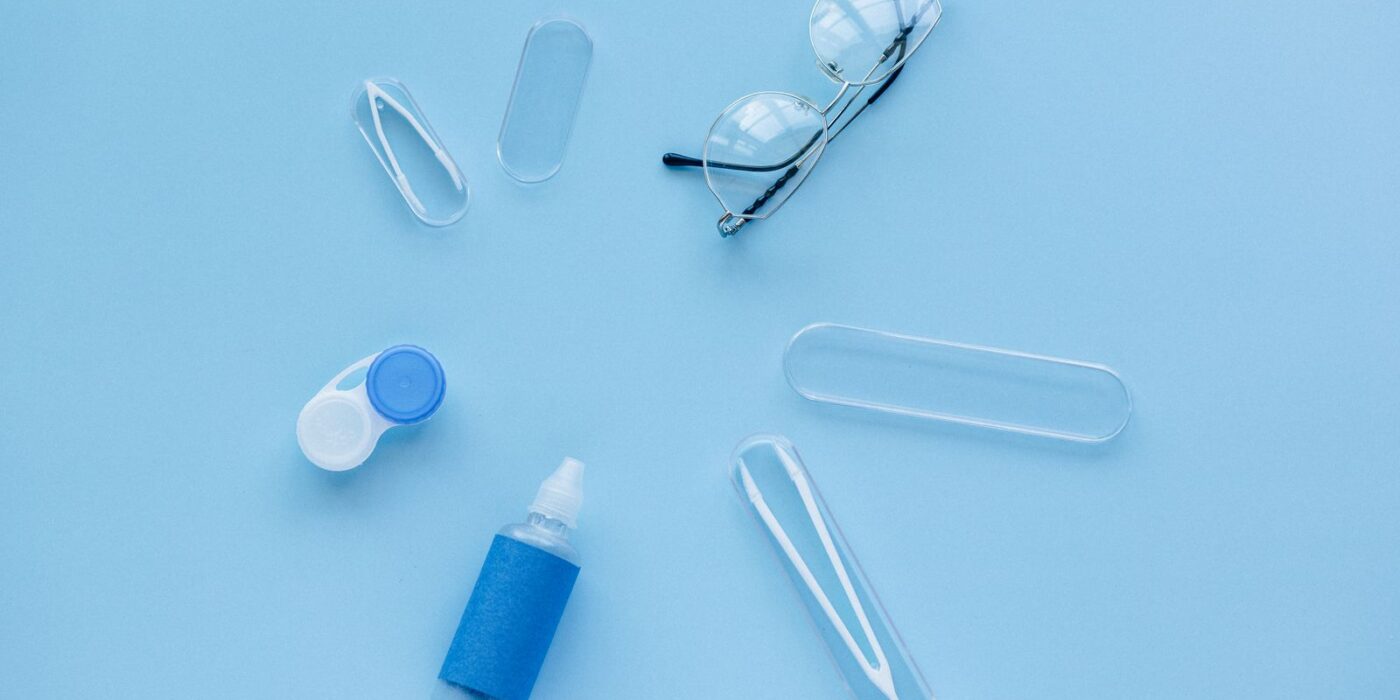
Flat lay of an unlabeled dropper bottle, contact lens case, tweezers and eyeglasses on a light blue background
CategoriesEye Care

How to Put In Eye Drops Correctly: Step by Step

To put in eye drops, wash your hands, tilt your head back, and gently pull down your lower eyelid to make a small pocket. Squeeze one drop into that pocket without letting the tip touch your eye, then close your eye for 2 to 3 minutes and press lightly on the inner corner near your nose. If you use more than one kind of drop, wait at least 5 minutes between them.

These small steps matter. A drop that lands on your cheek, or gets washed out by the next one, is wasted medicine, and with glaucoma, every dose helps protect your sight.

What should you do before putting in eye drops?

  • Wash your hands with soap and water, then dry them.
  • Check the label. Make sure it is the right medicine for the right eye and that it has not expired. Shake the bottle only if the label says to.
  • Look at the tip. MedlinePlus advises checking that the dropper tip is not chipped or cracked.
  • Take out contact lenses unless the drops are made for use with lenses.
  • Pick a steady position. Sitting with your head tipped back, standing at a mirror, or lying flat on a bed all work.

How do you put in eye drops, step by step?

The method is the same for lubricating drops, antibiotic drops such as ciprofloxacin (for example Ciplox Eye Drops) prescribed for a bacterial infection, and glaucoma drops.

  1. Tilt your head back, or lie down, and look up toward the ceiling.
  2. With your index finger, gently pull your lower eyelid down to make a small pocket.
  3. Hold the bottle upside down in your other hand, close to the eye but not touching it. Resting your other fingers on your cheek or forehead keeps your hand steady.
  4. Look up and gently squeeze so that one drop falls into the pocket.
  5. Let go of the eyelid and close your eye gently. Do not squeeze it shut or blink hard.
  6. Tip your head down, as if looking at the floor, and press lightly on the inner corner of your eye for 2 to 3 minutes.
  7. Blot any liquid on your eyelid or cheek with a clean tissue.
  8. Recap the bottle tightly without wiping or rinsing the tip, then wash your hands again.

Why is one drop enough?

A typical drop from a bottle is about 25 to 50 microliters, while the surface of the eye holds only about 10 microliters, according to a review of how eye drops are absorbed. Your eye cannot even hold one full drop, so an extra drop just spills out. Use one drop unless your doctor tells you otherwise.

Why close your eye and press the inner corner?

Each eyelid has a tiny drainage opening near the inner corner. Tears and eye drops flow through it into a duct that empties into the nose and throat, which is why some people taste their drops.

Closing your eye and pressing gently on that corner slows this drainage. The medicine stays on the eye longer, and less of it reaches the bloodstream through the lining of the nose. The same review notes that pressing the corner for 3 minutes, or keeping the eyelids closed for 2 minutes, significantly lowered blood levels of eye drop medicine. This matters most for drops that can affect the rest of the body, such as the glaucoma medicine timolol.

How long should you wait between eye drops?

Wait at least 5 minutes before putting a different drop in the same eye. MedlinePlus gives this advice, and so does the US prescribing information for Lumigan (bimatoprost), a glaucoma drop. A second drop put in too soon can wash out the first before it is absorbed.

  • Ask your doctor or pharmacist which drop to use first if you are not sure.
  • Eye ointments and gels usually go in last, after your drops.

Can you put in eye drops with contact lenses?

Usually not. Take soft lenses out before using medicated eye drops unless the product says it is made for use with lenses. Many prescription drops contain a preservative called benzalkonium chloride, which soft lenses can absorb. The Lumigan label, for example, warns it may discolor soft lenses and says to remove lenses before each dose and wait 15 minutes before putting them back in.

Follow the leaflet for your own drops, since advice varies. If you are being treated for an eye infection, leave your lenses out until your eye doctor says it is safe to wear them again.

How do you keep the dropper tip clean?

The tip should never touch your eye, eyelashes, fingers, or any other surface. The Lumigan prescribing information mentions reports of bacterial keratitis, a serious infection of the front of the eye, linked to multi-dose bottles that patients had accidentally contaminated.

  • Do not wipe or rinse the tip. Tap water and tissues are not sterile.
  • Never share eye drops, even with family members.
  • Write the opening date on the bottle. Many drops must be thrown away a set time after opening; your leaflet will say how long.
  • Store drops as the label directs, out of reach of children.

What should you know about using glaucoma eye drops?

Glaucoma drops lower the pressure inside the eye by reducing fluid or helping it drain. According to the NHS, glaucoma usually causes no symptoms at first and is often found during a routine eye exam. There is no cure, but treatment such as daily eye drops can slow the damage, and regular checkups matter. Because you may feel fine, it is easy to skip doses. These habits help:

  • Use them at the same time every day, linked to a routine like brushing your teeth. Bimatoprost, for example, is used once a day in the evening, and its US label says not to use it more than once daily.
  • Know which type you use. Common options include prostaglandin analogs such as bimatoprost and latanoprost, beta blockers such as timolol, and alpha agonists such as brimonidine. Some products combine two medicines, such as Careprost Plus (bimatoprost with timolol). You can compare options, including Alphagan Eye Drop (brimonidine), on our glaucoma eye drops page.
  • Know the possible changes. The Lumigan label warns that bimatoprost can darken the skin of the eyelids and may slowly turn the iris (the colored part of the eye) browner. The iris change is likely to be permanent. Bimatoprost can also make lashes longer, thicker, and more numerous, as our Careprost vs Latisse guide explains.
  • Press the inner corner after timolol. Timolol is a beta blocker. The review above explains that beta-blocker eye drops can reach the bloodstream in amounts large enough to slow the heart rate or, in people with asthma, tighten the airways. Tell your doctor if you have asthma, COPD, a slow heartbeat, or another heart problem.
  • Do not stop on your own. If drops sting or are hard to keep up with, ask your eye doctor about other options.

You can find more options in our eye drops and eye care range. Prescription drops should always be used as your doctor directs.

When to see a doctor

Call your eye doctor or get urgent care if you notice:

  • Sudden, intense eye pain with a red eye and blurred vision, which can mean a sudden rise in eye pressure.
  • Sudden vision loss, a shadow over part of your vision, or a burst of new floaters or flashes.
  • A painful red eye, light sensitivity, or blurry vision while you wear contact lenses.
  • Swelling, itching, or redness that gets worse after starting a new drop. Get emergency help for swelling of the face or throat or trouble breathing.
  • An eye infection that is not improving after a few days of treatment.
  • Wheezing, dizziness, or a very slow pulse while using timolol or another beta-blocker drop.

Frequently asked questions

How many drops should I put in my eye?

One drop, unless your doctor tells you differently. Your eye cannot hold even one full drop, so a second drop mostly runs out.

What if I am not sure the drop went in?

If you felt it land on your eye, assume it went in. If you are sure it landed on your eyelid or cheek, try once more. Lying down or using a mirror can make it easier to aim.

Should I blink after putting in eye drops?

No. Close your eye gently for 2 to 3 minutes instead. Blinking hard or squeezing your eyelids can push the medicine out.

Why can I taste my eye drops?

Drops drain through a small duct at the inner corner of the eye into the nose and throat. Pressing gently on that corner after each drop cuts down the taste and how much medicine reaches the rest of your body.

This article gives general information and does not replace advice from your doctor or pharmacist. Prescription eye drops, including glaucoma and antibiotic drops, should be used under a doctor’s care and exactly as prescribed.

Close-up of a hand holding a gray metered-dose inhaler with a plain white label
CategoriesAsthma & Allergy

How to Tell If Your Inhaler Is Empty (and When to Replace It)

The most reliable way to tell if your inhaler is empty is to read its dose counter. If it has no counter, keep count of every puff you take and compare that with the number printed on the label. Once the counter reads zero, or you have used the labeled number of puffs, replace the inhaler even if it still sprays. Shaking it, spraying it into the air, tasting it or floating the canister in water are not reliable checks.

Why can’t you tell by shaking or spraying it?

A metered-dose inhaler (the “puffer” type with a metal canister) holds medicine mixed with a propellant. As the medicine runs low, the canister can keep releasing a spray that looks and sounds normal but carries little or no medicine. The US label for the albuterol (salbutamol) inhaler Ventolin HFA explains that the canister keeps working after the counter reaches 000, but the right dose in each puff can no longer be assured.

That is the real risk. You think you are taking your reliever during a flare, but you are mostly breathing in propellant. Because you cannot see the medicine inside, MedlinePlus warns that people who judge by spraying or tasting may keep using an inhaler after it is empty.

How do you read a dose counter?

Many inhalers now have a counter or dose window that counts down as you use them. Two examples from US labels:

  • Ventolin HFA (albuterol): the counter starts at 204 on the 200-puff size, or 064 on the 60-puff size, and drops with every spray. The label says to refill when it reads 020 and to throw the inhaler away at 000.
  • Advair Diskus (fluticasone and salmeterol powder): the counter goes down by one with each dose, and the last numbers, 5 to 0, show in red as a warning.

Counters look different from one device to the next, and some are marked only in steps of 10 and do not change after every dose, so read the leaflet that came with yours. Get in the habit of glancing at the counter before each use, and order a replacement when it reaches the warning zone, not when it hits zero.

Priming also uses puffs. Ventolin HFA, for example, needs 4 test sprays into the air before first use, and again if it has not been used for more than 14 days or has been dropped. Those sprays come off the counter too.

How do you count puffs if your inhaler has no counter?

Some inhalers still have no counter, so you need to keep track yourself. MedlinePlus describes a simple counting method that works like this:

  1. Find the total number of puffs on the canister or box. Many hold 200, but check yours.
  2. Work out how many puffs you take each day. For example, 2 puffs twice a day is 4 puffs a day.
  3. Divide the total by your daily puffs. A 200-puff inhaler used at 4 puffs a day lasts about 50 days.
  4. Write the start date on the canister, or put it in your phone, and note when it should run out. Refill well before that date.

Take priming sprays off the total as well. This method works for a preventer you use on a set schedule. A reliever you use only when needed has no daily pattern, so count each puff as you take it. A tally on the box or a note on your phone works. When you get close to the total, switch to a new one.

Why is the float test not recommended?

You may have heard the old trick of dropping the metal canister into a bowl of water: if it sinks it is full, and if it floats it is nearly empty. It does not work well. How a canister sits in water depends on its size, design and contents, not just on how much medicine is left, so different products float in different ways. MedlinePlus lists floating the canister with spraying and tasting as checks that do not really work.

There is a second reason to skip it. MedlinePlus says not to wash the canister or put it in water. When you clean a metered-dose inhaler, you take the canister out first and rinse only the plastic mouthpiece, then let it air-dry.

How do you know when Rotacaps or other dry powder inhalers are empty?

Dry powder inhalers come in two main kinds.

Capsule devices

With capsule inhalers, such as Asthalin Rotacaps used in a Rotahaler, each capsule holds one dose. Your supply is simply the number of capsules left in the strip.

The thing to check is whether each capsule was fully used. After you inhale, open the device and look at the capsule shell. If powder is still inside, follow your leaflet, which may tell you to breathe in again. Some capsule devices are built around this: the US label for the Spiriva HandiHaler tells users to breathe in twice from each capsule to get the full dose. The same label says not to leave capsules open to air, not to store them inside the device and not to swallow them.

Multi-dose powder inhalers

Devices that hold many doses inside, such as a Diskus (called Accuhaler in the UK), a Flexhaler or a Turbuhaler, have a built-in counter or dose window. Treat zero as empty. Keep these devices dry. The Advair Diskus label says never to wash it and to throw it away 1 month after opening the foil pouch, or when the counter reads 0, whichever comes first.

Do inhalers expire?

Yes. Every inhaler has an expiration date on the canister, box or pouch, and labels such as Ventolin HFA’s say not to use it after that date. Some devices also have a shorter “use within” period once the foil wrapper is opened, like the 1-month limit for the Diskus. Check your leaflet, and write the opening date on the device if it has one of these limits.

Temperature matters too. Ventolin HFA is labeled for storage at 68°F to 77°F (20°C to 25°C), with short periods between 59°F and 86°F (15°C and 30°C) allowed. A glove box in summer or a car in winter is a poor place to keep a spare. Check the dates and counters on spares regularly, for example when you change your clocks.

Why should you keep a spare reliever inhaler?

Albuterol and levalbuterol (levosalbutamol) are quick-relief medicines that open the airways during a flare, and finding your inhaler empty in the middle of an attack is dangerous. A practical setup looks like this:

  • one reliever you carry every day, in a bag, pocket or backpack
  • a backup at home, at work, or with the school nurse for children
  • a refill ordered as soon as the main inhaler’s counter enters its warning zone

If you buy your reliever online, allow for shipping time. Delivery to the US takes about 6 to 15 days, and customs can add delays, so order before you are down to the last few puffs. The Asthalin Inhaler contains albuterol (salbutamol) and is made and licensed in India by Cipla. It comes in packs of three or more, from $30. See other options in our asthma inhalers range, and our guide to types of asthma inhalers explains which inhaler does what. Like all prescription asthma medicines, a reliever should be used under your doctor’s care.

A spare is a safety net, not a reason to use more. If you are going through reliever inhalers faster than before, your asthma needs a review, not just another refill. The Ventolin HFA label notes that needing more doses than usual can be a sign that asthma is getting worse.

When to see a doctor

See your doctor soon if:

  • you need your reliever more often than usual, or you are finishing canisters faster than before
  • your reliever does not seem to work as well or its effect does not last as long
  • asthma symptoms wake you at night
  • you are not sure how to use your device or read its counter (a pharmacist can also check this)

Call 911 or get emergency care if you are very short of breath, cannot speak in full sentences, your lips or fingernails look blue or gray, or your reliever is not helping. Do not keep puffing on an inhaler you suspect is empty while your symptoms get worse.

Frequently asked questions

Does an inhaler still spray when it is empty?

Often, yes. A metered-dose canister can keep releasing propellant after the medicine is used up, so a spray is not proof that medicine is left. Go by the counter or your puff count.

How many puffs are in an inhaler?

It depends on the product. Many albuterol inhalers hold 200 puffs, and some smaller ones hold 60. The number is printed on the canister or box.

Can I use an inhaler after its expiration date?

Labels say not to. Replace an expired inhaler, and check the dates on any spares you keep in a bag, desk or drawer.

Do priming sprays use up doses?

Yes, priming sprays leave the canister and are counted. Ventolin HFA’s 200-puff canister, for example, starts its counter at 204. Prime only when your leaflet says to, such as before first use, after a long gap or after dropping it.

This article gives general information and does not replace advice from your doctor or pharmacist. Prescription medicines, including asthma inhalers, should be used under a doctor’s care. Always follow the leaflet that comes with your inhaler.

Black-and-white photo of a young couple holding hands, seen from behind, walking along a low stone wall in a park
CategoriesErectile Dysfunction

Erectile Dysfunction in Your 20s and 30s: Causes and Treatment

Yes, erectile dysfunction (ED) can happen in your 20s and 30s, and it is more common than most young men realize. In a large US study of men aged 18 to 31, about 1 in 7 reported at least mild ED. In younger men the cause is often stress, anxiety or lifestyle, but physical problems such as diabetes or low testosterone are worth ruling out, and effective treatments are available.

How common is erectile dysfunction in young men?

Almost every man has the odd night when an erection does not cooperate. That is usually down to tiredness, stress or too much to drink, and on its own it is not ED. Doctors start to think about ED when the problem keeps happening and getting or keeping an erection firm enough for sex becomes a regular struggle.

That kind of ED is not rare in young men. A US study of 2,660 sexually active men aged 18 to 31 found that 11.3% had mild ED and 2.9% had moderate to severe ED. Older national survey data quoted in the same paper put ED at about 5% of men aged 20 to 39. Estimates vary from study to study, and a recent review notes that ED in young men is often underestimated. If this is happening to you, you are far from alone.

Is ED in young men psychological or physical?

It can be either, and the two often mix. According to MedlinePlus, emotional causes are more common in younger men, while physical causes are more common in older men. Common emotional triggers include:

  • Stress from work, money or studies
  • Performance anxiety, where worrying that it will fail again makes it more likely to fail
  • Relationship problems or poor communication with a partner
  • Depression and anxiety
  • Unrealistic expectations about sex

The US study above fits this picture. In that group, moderate to severe ED was linked with anxiety, with taking antidepressants or tranquilizers, and with not being married or living with a partner, while weight, blood pressure and diabetes did not stand out. Still, young men are not immune to physical causes. A review of ED in young adults notes that one study found a physical cause in about 15% of men under 40 with ED, while a smaller study found one in close to half.

One useful clue: most men have several erections during sleep. If you still wake up with erections, MedlinePlus notes that the problem is less likely to be physical. That is a hint, not a diagnosis, so a checkup is still worthwhile.

Can porn cause erectile dysfunction?

Many young men wonder about this, and the honest answer is that the research is not settled. The review mentioned above describes mixed results. A study from Belgium linked watching more porn with ED, though not how often men masturbated, while another study found no link at all. The authors concluded that more research is needed.

In practice, if you respond easily to porn but struggle with a partner, or your viewing feels hard to control, cutting back for a while is a low-risk experiment. A counselor or sex therapist can also help.

How do alcohol, drugs, sleep and weight affect erections?

These everyday habits are worth a close look:

  • Alcohol. Drinking too much can cause a one-off failure, and heavy drinking over time is linked with ED. MedlinePlus suggests limiting alcohol to no more than 2 drinks a day.
  • Recreational drugs. Cocaine, cannabis and ketamine have all been linked with ED, and use of these drugs is rising among younger people. MedlinePlus also lists nicotine as a cause.
  • Prescription medicines. Some antidepressants, blood pressure medicines and sleeping pills can affect erections. Do not stop a medicine on your own; ask your doctor whether a change is possible.
  • Sleep. Poor sleep quality has been linked with ED in young men, and getting plenty of sleep is part of standard prevention advice.
  • Weight and fitness. Young men with ED are more likely to carry extra weight and to have parts of metabolic syndrome, such as raised blood sugar, blood pressure or cholesterol. Regular exercise and losing extra weight are standard first steps.

What medical checks should young men get for ED?

A doctor will usually start with questions about your health, medicines, alcohol and drug use, mood and relationships, then do a physical exam. Blood tests often include:

  • Blood sugar or HbA1c to look for diabetes or prediabetes
  • Cholesterol (a lipid panel)
  • Testosterone, and sometimes other hormones such as prolactin and thyroid hormones

These checks matter because ED can be an early warning sign. The review describes ED as an early marker of conditions such as diabetes and heart and blood vessel disease. Catching high blood sugar or cholesterol in your 20s or 30s gives you years to do something about it.

Low testosterone is worth checking, but it is not the usual cause. In one large study of more than 2,000 men under 40 with ED, about 1 in 10 had low testosterone. Testosterone replacement is meant for men whose blood tests confirm low levels, so do not start it without a doctor.

What treatments work for ED in young men?

Treatment depends on the cause and often combines more than one approach. In one study, younger men responded better to treatment than older men.

Lifestyle changes. The habit changes above can all help, and they protect your heart at the same time.

Talking therapy. When stress, performance anxiety or relationship problems are behind ED, counseling or sex therapy can help a great deal. Sex-focused cognitive behavioral therapy (CBT) has shown promising results for ED without a physical cause.

ED medicines (PDE5 inhibitors). Sildenafil (Viagra), tadalafil (Cialis), vardenafil and avanafil are the first-line medicines for ED. They improve blood flow to the penis but only work when you are sexually aroused. They are prescription medicines, so a doctor should check your heart health and current medicines first. According to the Viagra prescribing information, the usual sildenafil dose is 50 mg about 1 hour before sex, adjusted between 25 mg and 100 mg, no more than once a day. Tadalafil is usually started at 10 mg before sex (range 5 to 20 mg) and can work for up to 36 hours, or it can be taken at 2.5 to 5 mg once a day. Our guides on sildenafil vs tadalafil and daily vs as-needed tadalafil explain the differences.

Generic tablets such as Suhagra 50 mg (sildenafil, by Cipla) and Vidalista 10 mg (tadalafil, by Centurion) contain the same active ingredients as Viagra and Cialis and are made and licensed in India. For a daily plan, Vidalista 5 mg contains tadalafil 5 mg. You can see all options in our ED medicine range. Whatever you use, follow these safety rules:

  • Never take them with nitrate medicines such as nitroglycerin, with “poppers” (amyl nitrite), or with riociguat. The combination can cause a dangerous drop in blood pressure.
  • Avoid heavy drinking while taking them. The tadalafil label warns it raises the chance of dizziness, headache and a drop in blood pressure when you stand up.
  • Do not take more than the prescribed dose or combine two ED medicines.
  • Common side effects include headache, flushing, upset stomach and a stuffy nose.
  • Get emergency care for an erection that lasts more than 4 hours. Stop the medicine and get help right away for sudden loss of vision or hearing.

Other options. If tablets do not help, a urologist can discuss vacuum devices, injections and other treatments. Be wary of “natural” or herbal sex supplements; MedlinePlus notes that none have been proven to treat ED.

When to see a doctor

See a doctor if ED keeps happening, even if you feel too young for it to matter. Get checked sooner if:

  • ED started after an injury or prostate surgery
  • You also have low back pain, belly pain or changes in how you pee
  • You think a medicine is causing it (do not stop it on your own)
  • You feel low, anxious or hopeless most days
  • Lifestyle changes have not helped

Get emergency help for an erection that lasts more than 4 hours, or for chest pain after taking an ED medicine.

Frequently asked questions

Is it normal to have erectile dysfunction at 25?

An occasional problem is normal at any age. ED that keeps happening is less common at 25, but it is far from rare and deserves a checkup rather than worry. The cause is often stress, anxiety or lifestyle, and many younger men respond well to treatment.

Can ED in your 20s go away on its own?

It often improves once the cause is dealt with, for example when stress eases, you drink less, sleep better or get help for anxiety. If it keeps happening, see a doctor rather than waiting.

Should I get my testosterone checked?

It is reasonable to ask. Low testosterone is found in only a minority of young men with ED, but a blood test can rule it out, along with checks for diabetes and cholesterol.

Do ED pills work without arousal?

No. Sildenafil, tadalafil and similar medicines help your body respond to sexual stimulation. They do not cause an erection by themselves.

Is it safe for a young man to take sildenafil or tadalafil?

Being young is not on its own a reason to avoid them; they are prescription medicines for adult men with ED. They interact with some heart medicines and are not right for everyone, so get checked first and take only the prescribed dose.

This article gives general information and does not replace advice from your doctor or pharmacist. Prescription medicines such as sildenafil and tadalafil should be used under a doctor’s care.

Amber pill bottle with a blue child-resistant cap, filled with white tablets, on a wooden table
CategoriesGuides

How to Store Medicines Safely: Heat, Humidity and Travel Tips

If you are wondering how to store medicines at home, the short answer is this: keep most of them in a cool, dry place at room temperature, in their original containers, and up high where children cannot see or reach them. Avoid the bathroom, the car and the spot next to the stove. A few products, such as some eye drops, need the refrigerator before opening, so the label always has the final word.

What does “store at room temperature” mean on a label?

Most labels give a range rather than a single number. The US label for Ventolin HFA, an albuterol (salbutamol) inhaler, is a typical example. It says to store the inhaler between 68°F and 77°F (20°C and 25°C), with short “excursions” allowed from 59°F to 86°F (15°C to 30°C). An excursion is a brief change, such as the drive home from the pharmacy, not a normal storage temperature.

Check the label for special rules, such as refrigeration or protection from light. Keep each medicine in its original container, which shows the name, strength and expiration date, and close the cap tightly after each use.

Why is the bathroom a bad place to keep medicines?

The bathroom cabinet is the classic spot, but steam from the shower and water from the sink make the room warm and damp. MedlinePlus warns that this heat and moisture can damage medicines, which may then weaken or go bad before the expiration date. The FDA also says a damp cabinet can make medicines less effective.

Better places include a dresser drawer, a closet shelf, a storage box with a lid, or a kitchen cabinet away from the stove, the sink and other hot appliances. Keep medicines out of direct sunlight, too. If young children live with you or visit often, choose a high cabinet you can lock or fit with a child latch.

How should you store inhalers in heat and cold?

Pressurized inhalers

Rescue inhalers such as the Asthalin inhaler (albuterol, made and licensed in India) and combination inhalers such as Foracort (budesonide and formoterol) use a metal canister under pressure. The Ventolin HFA label says not to use or store the inhaler near heat or an open flame, warns that temperatures above 120°F (49°C) may make the canister burst, and says never to throw it into a fire. It also says to store the inhaler with the mouthpiece down.

Cold matters too: the label says the inhaler should be at room temperature before use. In winter, carry your reliever in an inside pocket, not in a cold car.

Capsule and dry powder inhalers

Dry powder is sensitive to humidity. The US label for Spiriva HandiHaler (tiotropium) says to keep each capsule sealed in its blister until just before use, store the capsules in a dry place, never freeze them, and throw away any capsule left open to air. Capsules should not be stored inside the device. The same habits suit other capsule inhalers, such as Tiova Rotacaps (also tiotropium), but check the leaflet in your own pack. For more on each device, see our guide to types of asthma inhalers.

How long are eye drops good after opening?

Often for much less time than the date on the box. That date applies to a sealed bottle. Once a bottle is open, the tip can pick up germs, and many leaflets give a separate “discard after opening” period.

Some drops also have special temperature rules. The US label for Xalatan (latanoprost, used for glaucoma) says to keep unopened bottles in the refrigerator at 36°F to 46°F (2°C to 8°C), protected from light. Once opened, a bottle may be kept at room temperature, up to 77°F (25°C), for 6 weeks. Other drops have different rules, so check yours.

  • Write the date you opened the bottle on the label.
  • Do not let the dropper tip touch your eye or the skin around it. The Xalatan label warns that contaminated drops can cause serious eye damage and vision loss.
  • Recap the bottle right after each use, and never share eye drops.

If you use prescription drops from our eye drops and eye care range, read the storage section of the leaflet in the pack.

How do you keep medicines away from children?

The CDC’s Up and Away campaign asks families to keep every medicine where children cannot reach or see it:

  • Put medicine away right after each dose, even if the next dose is due in a few hours. Do not leave it on a counter or bedside table.
  • Always relock a child-resistant cap after each use.
  • Keep pill organizers and plastic bags up high as well, since they often lack child-safety features.
  • Treat vitamins and gummy supplements the same way.
  • Ask visitors to keep purses, bags and coats that hold medicine out of reach.
  • Save Poison Help, 1-800-222-1222, in your phone. It is answered 24 hours a day.

How do you protect medicines when traveling or in hot weather?

On the road and in the air

MedlinePlus advises keeping medicines in your carry-on bag when you fly, in their original bottles, with a copy of your prescriptions. For medicines that must stay cool, the CDC suggests a cooler with a gel pack and warns against putting them directly on ice. In a hotel, use a high shelf or the room safe if children are with you.

Why hot cars are a problem

A parked car in the sun can get far hotter than the air outside. MedlinePlus says not to keep medicines in the glove compartment, and the CDC lists hot cars and direct sunlight among the places to avoid. Take your medicines with you whenever you leave the car.

Medicines shipped in summer

Some labels set limits for shipping. The Xalatan label, for example, allows the bottle to be kept at up to 104°F (40°C) for no more than 8 days while it is shipped to the patient. Still, a package should not sit in a hot mailbox or on a sunny porch for hours. Our product pages give US delivery times of about 6 to 15 days, and customs can add delays, so track your package and bring it inside as soon as it arrives.

Check each item before use. MedlinePlus lists warning signs such as a change in color, texture or smell, or pills that stick together or are cracked or chipped. If something looks wrong, do not use it; ask a pharmacist and contact the seller.

When should you throw medicines away, and how?

Do not use a medicine after its expiration date. The FDA explains that expired medicines can be less effective or even risky because of chemical changes or lost strength, and a weakened antibiotic may fail to treat an infection. Throw out any medicine that looks changed, even if it is still in date. Per the Ventolin HFA label, an inhaler should be thrown away when its counter reads 000.

The FDA suggests these disposal options, in this order:

  1. Take-back. Use a drop-off site at a pharmacy or law enforcement office, or a prepaid mail-back envelope.
  2. Flush list. Flush a medicine only if it is on the FDA flush list.
  3. Household trash. Mix pills or liquid with used coffee grounds or cat litter, without crushing them. Seal the mixture in a bag and put it in the trash.
  4. Privacy. Scratch out your personal details on the empty bottle or box before you throw it away.

Never puncture an inhaler canister or throw it into a fire. The FDA suggests asking your local trash and recycling facility how to dispose of inhalers.

When to see a doctor

  • If a child may have swallowed someone else’s medicine, call Poison Help at 1-800-222-1222 right away, even if you are not sure. Call 911 if the child is hard to wake, has trouble breathing or has a seizure.
  • If your rescue inhaler does not seem to work after being left in heat or cold and your breathing is getting worse, seek urgent care, then replace the inhaler.
  • If you get eye pain, redness, discharge or blurred vision after using eye drops, see a doctor promptly.
  • If an important medicine looks damaged and you have no other supply, call your pharmacist or doctor before you skip any doses.

Frequently asked questions

Should I keep my medicines in the refrigerator?

Only if the label says so. Most tablets, capsules and inhalers are meant for room temperature, and some, such as tiotropium capsules, must not be frozen.

Can I still use medicine that was left in a hot car?

Look at it first. If it has changed in color, texture or smell, or the pills are stuck together, cracked or soft, do not use it. If it looks normal but sat in high heat for a long time, ask your pharmacist whether it is still safe to use.

Is it OK to keep pills in a weekly pill organizer?

Yes, but organizers often lack child-safety features, so keep them up high. Hold on to the original bottles so you still have the label and expiration date.

Do medicines really stop working after the expiration date?

The FDA advises against using expired medicines because they can lose strength or change chemically. Some, such as antibiotics, may then fail to work. Replace them and dispose of the old supply safely.

This article gives general information and does not replace advice from your doctor or pharmacist. Prescription medicines should be used under a doctor’s care, and the storage instructions on your own medicine’s label or leaflet always come first.

An open glass bottle of amber skincare serum with its dropper lying beside it on a pale pink surface
CategoriesSkin Care

How to Fade Acne Scars and Dark Marks: What Works and How Long

Most flat dark marks left by acne fade on their own, and you can help them fade faster with daily sunscreen and a fading cream such as a retinoid, azelaic acid or hydroquinone, usually over several months. Pitted acne scars are different: they form when healing skin makes too little collagen, so creams can only soften mild ones, and in-office procedures such as microneedling, lasers or scar surgery work far better. The first step is working out which one you have.

Is it a dark mark or a true acne scar?

A flat spot that is only a change in color is called post-inflammatory hyperpigmentation, or PIH. On lighter skin it often looks pink or red. On medium and darker skin it is usually brown, and sometimes bluish gray. These flat marks are usually not scars at all.

A true scar changes the texture of the skin. Most acne scars are pitted: narrow, deep “ice pick” scars, round or oval “boxcar” scars, or wide, shallow “rolling” scars that make the skin look wavy. Some scars are raised instead, often on the jawline, chest or back.

Dark marks (PIH)Pitted scars
What it isColor change left after inflammationA dip left when healing skin makes too little collagen
How it looksFlat and smooth; pink, red, brown or grayDips or pits, easiest to see in side lighting
Fades on its own?Usually, over months; deep pigment can take yearsNo
What helps mostSunscreen, retinoids, azelaic acid, hydroquinoneMicroneedling, lasers, peels, scar surgery, fillers

Tip: light the spot from one side. A visible dip means a scar; a change in color alone means a mark. Many people have both.

Why does sunscreen matter so much for dark marks?

Ultraviolet light can make dark marks darker. A review of PIH treatment calls sun protection an integral part of treatment and recommends a broad-spectrum sunscreen with SPF 30 every day. The American Academy of Dermatology (AAD) suggests SPF 30 or higher and a tinted sunscreen with iron oxide, which also helps protect against visible light, another cause of dark spots.

Apply it every morning and reapply every two hours outdoors, and after swimming or sweating. This matters even more during treatment: tretinoin and hydroquinone labels both stress sun protection.

Do retinoids fade acne scars and dark marks?

Retinoids, such as tretinoin, adapalene and tazarotene, speed up skin cell turnover, which helps pigmented cells shed sooner. They also treat the acne that keeps creating new marks. In a 40-week study of Black patients with PIH, tretinoin lightened dark marks significantly more than a plain cream, although about half had some skin irritation. For mild scarring, the AAD says a retinoid can make scars less noticeable, but creams cannot fill deep pits.

Irritation is the catch. Redness and peeling can trigger new dark marks, especially on darker skin, so dermatologists often start with a lower strength and build up. The Retin-A label says to apply tretinoin once a day at bedtime, using just enough to cover the area lightly, 20 to 30 minutes after washing. If irritation builds, it allows using it less often or pausing. A lower-strength cream such as Retino-A Cream 0.025% (from $10) is a gentler place to start, and our guide to tretinoin for acne explains each step. Ask your doctor before using a retinoid if you are pregnant, trying to get pregnant or breastfeeding.

How does azelaic acid help with dark marks?

Azelaic acid treats acne and also helps even out patchy pigment. The US prescribing information for Azelex (azelaic acid 20% cream) lists it for mild to moderate inflammatory acne, applied as a thin film twice a day to clean, dry skin. In a trial of darker-skinned adults with facial dark spots, including PIH, the 20% cream reduced pigmentation more than a plain cream over 24 weeks.

Side effects are usually mild and short-lived: the label lists itching, burning, stinging and tingling. It also asks people with darker complexions to watch for unusually light patches, which have been reported rarely. Aziderm 20% Cream (from $34) contains the same active ingredient as Azelex; it is made and licensed in India.

Is hydroquinone a good option for stubborn marks?

Hydroquinone lightens skin by reducing the melanin that pigment cells make. The same PIH review calls it the mainstay of treatment, usually at 2% to 4%. In the US, hydroquinone creams are available only with a prescription, as the FDA explains. A few rules matter:

  • Labels advise testing a small amount on unbroken skin first and checking it after 24 hours. Do not continue if it itches, blisters or becomes very inflamed.
  • Apply it only to the dark marks and keep it away from your eyes.
  • Stop if nothing has improved after 2 months, as the label directs. Doctors often switch to a non-hydroquinone product after prolonged use.
  • Hydroquinone can cause exogenous ochronosis, a gradual blue-black darkening of the skin that may be permanent. Stop and see your doctor if it appears.
  • Ask your doctor first if you are pregnant or breastfeeding.

Eukroma Cream (hydroquinone, from $5) is one option. If dark patches sit evenly on both cheeks, the forehead or the upper lip without any acne, they may be melasma; our article on melasma treatment explains the difference.

Can chemical peels fade acne scars?

A chemical peel uses an acid to remove the top layers of skin in a controlled way, in strengths from mild to strong. According to the American Academy of Dermatology, peels help the skin make more collagen and elastin, which can make depressed acne scars less noticeable. A mild peel often takes 3 to 5 sessions spaced 2 to 4 weeks apart. Light glycolic or salicylic acid peels are also used for brown marks, although study results are mixed.

Peels can cause irritation and new dark marks, a bigger concern on medium and darker skin, so choose a provider who regularly treats your skin tone.

What treatments work for pitted acne scars?

Dermatologists usually start once acne is under control, since stopping breakouts helps prevent new scars. The main options are:

  • Microneedling: tiny needles puncture the skin to trigger new collagen. It is often combined with radiofrequency, a chemical peel or platelet-rich plasma (PRP), and the AAD says it is safe for all skin tones.
  • Laser resurfacing: lasers resurface scarred skin so new collagen can form. Settings need extra care on darker skin to avoid new dark marks or blistering.
  • Scar surgery: a dermatologist can lift a scar from the tissue beneath it, or remove a deep scar and close the area with stitches or a small skin graft.
  • Fillers: injected under a depressed scar to lift it. Most give temporary results lasting from 3 months to 2 years, and some are permanent.

Raised scars are treated differently, often with corticosteroid injections, laser, surgery or freezing. Combining treatments, such as microneedling with radiofrequency, can work better than either one alone. Tell your dermatologist about every acne treatment you have used in the past two years, including pills.

How long does it take to fade acne scars?

  • Flat marks a few shades darker than your skin: usually fade within 6 to 12 months on their own. Treatment can clear them more quickly.
  • Fading creams: results build slowly; the tretinoin and azelaic acid studies for dark marks ran for 24 to 40 weeks.
  • Deep slate-blue or gray pigment: can take years to fade and may not clear fully.
  • Pitted scars: do not fade on their own and can look more noticeable with age as skin loses firmness. Most procedures take several sessions, and they make scars less noticeable rather than erasing them.

When to see a doctor

  • Your acne keeps leaving new scars, or you get deep, painful lumps or cysts. Treating acne early can prevent more scarring.
  • A scar is raised and keeps growing beyond the original spot, which can be a sign of a keloid.
  • Dark patches appear without any acne, or spread evenly across the cheeks and forehead.
  • A spot changes in size, shape or color, bleeds, or will not heal; get it checked to rule out skin cancer.
  • A cream causes blistering, strong burning, unusually light patches, or blue-black darkening where you apply it.

Frequently asked questions

Can acne scars go away on their own?

Flat dark or red marks usually fade with time, often within a year. Pitted scars do not; procedures are the main way to improve them.

Does picking or squeezing pimples cause scars?

It can. The NHS advises against picking or squeezing spots because this can cause scars. Picking also adds inflammation, which can make dark marks worse.

Should I choose hydroquinone or azelaic acid for dark marks?

Hydroquinone is a mainstay for stubborn brown marks, but it is meant for limited courses and needs a prescription in the US. Azelaic acid also treats active acne, and its side effects are usually mild. A dermatologist can help you decide.

Why are my acne marks red instead of brown?

It mostly depends on your skin tone: marks tend to look pink or red on lighter skin and brown or bluish gray on medium and darker skin. Either way, treating the acne and protecting your skin from the sun help, and most of these flat marks fade with time.

This article gives general information and does not replace advice from your doctor or pharmacist. Prescription medicines, including tretinoin, azelaic acid and hydroquinone creams, should be used under a doctor’s care.

Close-up of soapy hands being washed under a running faucet over a stainless steel sink
CategoriesEye Care

Pink Eye: Bacterial, Viral or Allergic? How to Tell

Pink eye is usually caused by a virus, bacteria or an allergy, and the discharge and the itch give the strongest clues. Thin, watery discharge during a cold points to a virus, thick pus that makes the lids stick together points to bacteria, and intense itching in both eyes points to an allergy. Only bacterial pink eye is helped by antibiotic drops; most viral pink eye clears up on its own, and allergic pink eye eases with allergy drops and by avoiding the trigger.

Pink eye, or conjunctivitis, means the conjunctiva is inflamed. That is the thin, clear layer that covers the white of the eye and lines the inside of the eyelids. The eye looks pink or red, feels gritty or burning, and may water or make discharge. Smoke, chemicals, a loose eyelash, or contact lenses worn too long or not cleaned properly can cause it too.

Pink eye bacterial vs viral vs allergic: how can you tell them apart?

No single sign is certain, and a doctor may need to look at your eye to be sure. Still, each type tends to follow a pattern, as the CDC’s pink eye symptom guide describes.

ViralBacterialAllergic
DischargeThin and wateryThick pus; the lids may stick togetherMostly watery tears
Eyes affectedOften starts in one eye and spreads to the other within daysOne or bothUsually both
Other cluesA cold, flu or other respiratory infectionSometimes comes with an ear infectionStrong itching, puffy lids, sneezing, itchy nose; sometimes asthma symptoms
Contagious?Yes, veryYes, veryNo
How long it lastsUsually 7 to 14 days, sometimes 2 to 3 weeks or moreMild cases often 2 to 5 days, up to 2 weeksFlares whenever you meet the trigger
What helpsTime, cool compresses, artificial tearsAntibiotic drops or ointment when a doctor advises themAvoiding the trigger, antihistamine eye drops

Irritant pink eye, from smoke, dust, fumes or a loose eyelash, can cause watery eyes and some mucus. A chemical splash is an emergency: flush the eye right away with cool, clean tap water for at least 15 minutes and get medical help.

Is pink eye contagious?

Viral and bacterial pink eye spread easily from person to person. The germs travel on hands that touch the eyes, and on shared towels, pillowcases, makeup and eye drops.

Allergic and irritant pink eye are not contagious. You cannot catch an allergy from someone else’s eyes.

Ask your doctor when it is OK to go back to school or work.

Do you need antibiotic eye drops for pink eye?

Only if the cause is bacterial. As the CDC’s treatment advice points out, antibiotics do not work against viruses, so they will not speed up viral pink eye. A few viral types, such as those caused by the herpes simplex virus or the virus behind chickenpox and shingles, need antiviral treatment from a doctor.

Mild bacterial pink eye often gets better without treatment. Antibiotic drops or ointment can shorten the illness, lower the chance of complications and help stop the spread. Doctors are more likely to prescribe them when there is pus, when your immune system is weakened, or when certain bacteria are suspected.

Common choices include azithromycin and ciprofloxacin drops, among others. The US label for azithromycin drops (AzaSite) gives a 7-day course: 1 drop in the affected eye twice a day, 8 to 12 hours apart, for 2 days, then once a day for 5 days. The AzaSite prescribing information lists eye irritation as the most common side effect, in about 1 to 2% of people. Ciprofloxacin drops follow a different schedule, so always go by your own prescription.

If your doctor prescribes azithromycin, Zaha eye drops contain the same active ingredient as AzaSite; they are made and licensed in India and start from $13.75. Ciplox eye drops contain ciprofloxacin and start from $4, and Azithral eye ointment is an azithromycin ointment from $10. These are prescription medicines, so use them only when a doctor has confirmed a bacterial infection, and call your doctor if you are not better after 24 hours on antibiotics.

To put in drops safely:

  • Wash your hands first.
  • Tilt your head back, gently pull down the lower lid and let one drop fall into the pocket.
  • Do not let the tip touch your eye, lashes, fingers or any surface.
  • Do not use the same bottle for an infected eye and a healthy eye.
  • Use the drops for as long as your prescriber says, even if the eye looks better sooner.

What helps allergic pink eye?

The first step is to avoid what sets it off as much as you can, such as pollen, pet dander, dust mites or mold. Stay away from smoke, including secondhand smoke, and try not to touch or rub your eyes.

Cool compresses and artificial tears (lubricating drops) can soothe the eyes. Antihistamine eye drops can relieve the itching. Ketotifen drops are sold on US drugstore shelves; their Drug Facts label is for adults and children 3 and older: 1 drop in the affected eye twice a day, every 8 to 12 hours, no more than twice a day. Children under 3 should see a doctor first. Stop and see a doctor if the itching gets worse or lasts more than 72 hours, or if you notice eye pain, redness or changes in vision.

Decongestant (redness-relief) drops can sometimes dry the eyes, and using them for more than 5 days can cause rebound redness. If drugstore products are not enough, see a doctor. Other allergy drops are available by prescription, and mild steroid drops are sometimes prescribed for severe reactions, but only after an eye doctor has examined your eyes.

If your itchy eyes come with a stuffy, runny nose, our guide to nasal sprays for allergies explains how steroid sprays work and how to use them.

How do you stop pink eye from spreading?

  • Wash your hands with soap and water for at least 20 seconds, especially before and after cleaning around your eyes or putting in drops or ointment. If you have no soap, use a hand sanitizer with at least 60% alcohol.
  • With clean hands, wipe discharge away with a clean, wet washcloth or a fresh cotton ball, then throw the cotton ball away and wash your hands again.
  • Avoid touching or rubbing your eyes with your fingers.
  • Wash washcloths, towels, pillowcases and sheets often in hot water with detergent.
  • Do not share pillows, washcloths, towels, eye drops, eye or face makeup, or makeup brushes.
  • Stay out of swimming pools until the infection has cleared.

Can you wear contact lenses with pink eye?

No. Take your lenses out and wear glasses until your eye doctor says it is OK to start again. The AzaSite label also tells people with signs of bacterial pink eye not to wear contacts. Throw away disposable lenses and other disposable products you used while your eye was infected, and clean reusable lenses, glasses and cases as directed.

If you use ketotifen allergy drops, take your lenses out first and wait at least 10 minutes before putting them back in. Do not use these drops to treat irritation caused by the lenses themselves.

A red eye in a contact lens wearer needs extra care, because it can be bacterial keratitis, an infection of the cornea, the clear front window of the eye. The CDC’s keratitis guidance says that with eye pain, redness, blurry vision, light sensitivity, watery eyes or discharge, you should remove your lenses and call your eye doctor right away. Left untreated, bacterial keratitis can lead to vision loss or even blindness.

When to see a doctor

Most pink eye is mild, but get medical care promptly if you have:

  • Eye pain, rather than just a gritty feeling
  • Sensitivity to light
  • Blurred vision that does not clear when you blink or wipe away discharge
  • Intense eye redness
  • A red, painful eye while wearing contact lenses
  • A weakened immune system
  • A newborn baby with any signs of pink eye (see a doctor right away)
  • Symptoms that get worse or do not improve, including bacterial pink eye that is not better after 24 hours on antibiotics

Our eye care section lists other eye medicines, but any of these red flags needs an eye exam first.

Frequently asked questions

Does pink eye go away on its own?

Often, yes. Viral pink eye usually clears in 1 to 2 weeks, and mild bacterial pink eye often clears in 2 to 5 days. Allergic pink eye usually eases when you avoid the trigger. See a doctor if it is getting worse or not improving.

Can I use leftover antibiotic eye drops from last time?

It is better not to. Antibiotics do nothing for viral or allergic pink eye, an opened bottle can become contaminated, and eye drops should never be shared with someone else.

Why did my pink eye spread to the other eye?

Viral pink eye usually begins in one eye and spreads to the other within days. Washing your hands often and not touching or rubbing your eyes helps. Allergic pink eye usually affects both eyes.

Are steroid eye drops OK for pink eye?

Only if an eye doctor prescribes them after an exam. Steroids can make some eye infections worse, so do not use steroid or steroid-combination drops on your own.

This article gives general information only and is not medical advice. Prescription medicines, including antibiotic and steroid eye drops, should be used under a doctor’s care.
Gray cat resting on a soft blanket beside a window with snow falling outside
CategoriesAsthma & Allergy

Asthma Triggers at Home and How to Reduce Them

The most common asthma triggers at home are dust mites, pet dander, mold, tobacco and wood smoke, cleaning sprays and strong scents, fumes from gas stoves, pollen that drifts indoors, and cold air. You cannot remove every trigger, but simple changes in each room, a preventer inhaler taken as prescribed, and a written asthma action plan can mean fewer flare-ups.

What are the most common asthma triggers at home?

Asthma leaves the airways swollen and sensitive, so a trigger can make them tighten. Some triggers are allergens; others are irritants. Here is where they hide and the first thing to try. Many of these steps match the CDC’s advice on controlling asthma.

TriggerWhere it is foundFirst step
Dust mitesMattresses, pillows, bedding, carpet, stuffed toysAllergen-proof covers; wash bedding every week
PetsDander and saliva on furniture, carpet and bedsKeep pets out of the bedroom
MoldBathrooms, basements, under sinks, around leaksFix leaks; keep humidity below 50%
SmokeCigarettes, cigars, fireplaces, wood stovesKeep the whole home smoke-free
Cleaning sprays and scentsSpray cleaners, bleach, air fresheners, scented candles, incenseUse unscented products; wipe instead of spray
Gas stovesKitchen, especially without a vent hoodRun a hood that vents outdoors every time you cook
PollenOpen windows, plus hair, clothes and pets after time outsideClose windows on high-pollen days
Cold airDrafts, air conditioning, stepping outside in winterCover your nose and mouth; keep your reliever close

How can you reduce asthma triggers in the bedroom?

You spend about a third of your life in bed, so start with the bedroom.

  • Dust mites: These tiny creatures live in mattresses, pillows and bedding. Use allergen-proof mattress and pillow covers, wash bedding every week (in hot water if the fabric allows), and dry it completely. The CDC also suggests avoiding down-filled pillows and comforters.
  • Humidity: Dust mites and mold thrive in damp air. The CDC suggests keeping indoor humidity around 30% to 50%. An inexpensive hygrometer (humidity gauge) shows your level.
  • Floors: Hard floors hold less dust and dander than carpet. Vacuum carpet regularly with a HEPA-filter vacuum. Vacuuming stirs up dust for a while, so let someone else do it if you can.
  • Pets: If you are allergic to a furry pet, keep it out of the bedroom. Trimming the fur does not help; the CDC notes that people with asthma are not allergic to the fur itself.
  • Pollen: On high-pollen days, keep windows closed, use air conditioning if you have it, and shower before bed. If pollen or dust also gives you a stuffy, runny nose, see our guide to nasal sprays for allergies.

How do you make the kitchen and bathroom safer for asthma?

Gas stoves

Gas burners release nitrogen oxides and fine particles. The American Lung Association notes that cooking on a gas stove gives off much higher levels of fine particles than cooking on an electric stove, and that nitrogen oxides can bring on severe asthma symptoms.

  • Run a range hood that vents outdoors every time you use the burners or oven, and cook on the back burners.
  • If you have no hood, or your hood only recirculates the air, open a window while you cook.
  • Never use a gas stove or oven to heat your home.

Cleaning sprays and pest control

Spray cleaners send fine droplets and fumes into the air you breathe. MedlinePlus advises using only unscented detergents and cleaning products in the home of someone with asthma.

  • Spray the cloth instead of the surface, or use plain soap and water, and open a window while you clean.
  • Never mix bleach with ammonia or other cleaners.
  • For cockroaches, clean up crumbs, keep food sealed and fix leaks. The CDC warns that bug sprays and foggers can cause asthma attacks, so ask about baits or traps instead.

Mold in bathrooms and basements

According to the CDC, mold can trigger asthma attacks whether or not you are allergic to it.

  • Run the bathroom fan or open a window when you shower.
  • Fix leaks quickly, and dry wet or damp items within 24 to 48 hours.
  • Keep humidity below 50% with air conditioning or a dehumidifier, especially in basements.
  • Scrub mold off hard surfaces with detergent and water, then dry them fully. If a moldy area is large, ask someone without asthma to deal with it.

Can smoke, scents and cold air set off asthma?

Yes. These are irritants, so they can bother your airways even if you have no allergies.

Tobacco smoke. MedlinePlus calls removing tobacco smoke from the home “the single most important thing a family can do” for someone with asthma, and notes that smoking outside is not enough. Free help to quit is available at 1-800-QUIT-NOW.

Wood smoke and scents. Fireplaces, wood stoves, incense, scented candles, air fresheners and perfume all add smoke or fragrance to indoor air. Choose fragrance-free products where you can.

Cold air. The CDC lists cold, dry air as a trigger. At home, watch for cold drafts, air conditioning blowing straight at you, and stepping from a warm house into winter air. A loose scarf over your nose and mouth warms the air a little. If cold air reliably sets you off, ask your doctor whether to use your reliever before you head out.

Why take a preventer inhaler if you avoid triggers?

Avoiding triggers helps, but many people with asthma also need a daily preventer (controller) inhaler. Most preventers contain an inhaled corticosteroid such as budesonide, fluticasone or beclomethasone (beclometasone). This calms airway swelling, so the airways react less to triggers.

  • Use it every day, even when you feel fine. MedlinePlus says control medicines need to be taken daily to work as they should. The US label for one budesonide inhaler says the full benefit may take 1 to 2 weeks or longer.
  • It is not a rescue inhaler. For sudden symptoms, use the reliever your doctor prescribed, usually albuterol (salbutamol). Some doctors prescribe a budesonide/formoterol inhaler as both the preventer and the reliever; follow only the plan you are given.
  • Rinse your mouth after each dose and spit the water out. The label says this lowers the chance of thrush, a fungal infection in the mouth.
  • Do not stop on your own, even when your symptoms are gone. Our guide to types of asthma inhalers explains each device and how to use it.

If cost makes it hard to stay on a preventer, Indian generics contain the same active ingredients as US brands and are made and licensed in India. The Budecort 200 mcg inhaler contains budesonide (from $27), and the Foracort 200 mcg inhaler combines budesonide with formoterol (from $14). You can compare more options in our asthma inhalers section, and use any prescription inhaler only under your doctor’s care.

What should be in your asthma action plan?

An asthma action plan is a written plan you make with your doctor. According to MedlinePlus, it should cover your daily medicines, your triggers and how to avoid them, and how to spot worsening asthma and what to do. Many plans use three color zones:

  • Green (doing well): No cough or wheeze, and you can do your normal activities. Keep taking your daily preventer.
  • Yellow (getting worse): Cough, wheeze, chest tightness or shortness of breath, or a peak flow of 50% to 80% of your usual highest reading. Your plan says how much reliever to take and when to call your doctor.
  • Red (medical alert): Severe shortness of breath, a reliever that is not helping, or a peak flow below 50% of your usual highest reading. Take the medicine in your plan and get emergency help.

Keep copies on the fridge and your phone, share one with a child’s school, and bring it to every checkup.

When to see a doctor

Book an appointment if:

  • You use your reliever inhaler more than twice a week, or asthma wakes you at night.
  • Your symptoms get worse or do not improve with treatment.
  • An attack needs more medicine than your plan allows.
  • A new pet, a move or a damp problem seems to make things worse.

Call 911 or go to the emergency room right away if you have severe shortness of breath at rest, trouble speaking, bluish lips or face, drowsiness or confusion, severe chest pain, a very fast pulse, a peak flow below 50% of your usual highest reading, or if your reliever is not helping.

Frequently asked questions

What is the most common asthma trigger at home?

Dust mites, pet dander, mold and tobacco smoke are among the most common. Allergy testing through your doctor can show which ones affect you.

Do air purifiers help with asthma triggers?

A HEPA air cleaner can lower airborne dander and smoke in the room where it runs. It works alongside, not instead of, washing bedding, controlling damp and keeping smoke out.

Can I keep a pet if I have asthma?

If you are allergic and your attacks are linked to the animal, the CDC suggests finding it a new home. If that is not possible, keep the pet out of the bedroom, wash it regularly and use a HEPA air cleaner.

Should I use my preventer only when triggers are around?

No. A preventer calms airway swelling over time, so take it every day as prescribed, even on good days. Your reliever is for sudden symptoms, unless your doctor’s plan uses one inhaler for both.

This article gives general information only and is not medical advice. Prescription medicines, including asthma inhalers, should be used under a doctor’s care; do not stop or change a preventer inhaler without medical advice.

A single burnt-down cigarette standing upright in a small pile of ash against a dark background
CategoriesErectile Dysfunction

Does Smoking Cause Erectile Dysfunction? What Quitting Can Do

Yes. Smoking is a well-known cause of erectile dysfunction (ED). The chemicals in cigarette smoke damage the lining of your blood vessels and cut the blood flow an erection needs, and the risk climbs the more and the longer you smoke. The good news is that quitting often helps, especially for younger men and lighter smokers, and it protects your heart at the same time.

How does smoking cause erectile dysfunction?

An erection is mostly about blood flow. When you are aroused, nerves signal the thin inner lining of the blood vessels in the penis, called the endothelium, to release a chemical messenger called nitric oxide. Nitric oxide relaxes the smooth muscle in the arteries and the spongy erectile tissue, so blood rushes in and stays there.

Cigarette smoke attacks this system at several points. A review of research on smoking and ED explains that smoke damages the endothelium, lowers the amount of nitric oxide available, and creates oxidative stress, a kind of chemical wear and tear on cells. Over the years, smoking also stiffens artery walls and speeds up the buildup of fatty plaque (atherosclerosis), which narrows the small arteries that feed the penis. The result is less blood flow and weaker erections.

Is it the nicotine or the smoke?

Both play a part. Burning tobacco releases many harmful chemicals that drive much of the oxidative stress and vessel damage described above. Nicotine adds its own effect. It is a vasoconstrictor, which means it squeezes blood vessels narrower, and it has been linked to poorer function of the vessel lining.

Some of the harm eases fast. In lab testing, heavy smokers who stopped for just 24 to 36 hours showed better erection responses. Years of plaque and stiff arteries take much longer to improve, and they may not fully reverse.

Does vaping cause erectile dysfunction too?

Vaping is newer, so the evidence is thinner, but it is not a free pass. Most e-cigarettes deliver nicotine. A review of alternative tobacco products and urologic health points out that nicotine narrows blood vessels, that animal studies suggest e-cigarette vapor can affect erections, and that vapor may still harm the lining of blood vessels, though probably less than smoke does. The authors called for more research.

Since then, a large national US survey of adult men (the PATH Study) found that men who vaped every day were roughly twice as likely to report ED as men who had never vaped. A survey like this shows a link, not proof of cause. If you switched to vaping to protect your sex life, the safer goal is to be free of nicotine altogether.

Does it matter how much you smoke?

Yes. Researchers see a dose-response pattern: the more cigarettes and the more years, the higher the risk and the more severe the ED tends to be. Doctors measure lifetime smoking in pack-years: a pack a day for 20 years equals 20 pack-years.

  • A Boston community survey of more than 2,300 men found a clear rise in ED risk once men reached about 20 pack-years.
  • Another study found a clearly higher risk in men with about 29 pack-years, while men with fewer than 12 pack-years looked much like nonsmokers.
  • Among younger men, heavy smokers (more than 20 cigarettes a day) were about twice as likely to have severe ED as lighter smokers.

These numbers are averages, not a prediction for any one man. Diabetes, high blood pressure, high cholesterol, heavy drinking and stress also affect erections, so smoking is often one piece of a bigger picture.

Will my erections improve if I quit smoking?

For many men, yes, though results depend on your age, your smoking history and how much damage is already there:

  • Many men notice a difference within months. In one study of men with ED who quit, more than half reported better erections at 6 months. That was about twice the rate seen in men who could not quit, and the gains lasted at least a year.
  • Younger men tend to gain the most. In another study of men with no other ED risk factors, those who quit with the help of an 8-week nicotine replacement program had better erections a year later. The improvement was seen in men under 50, and men who already had severe ED did not get their function back.
  • Some risk can linger. Some studies show former smokers still have higher ED rates than men who never smoked, so quitting sooner beats quitting later.

Quitting will not erase every year of smoking, but it stops the damage from piling up and gives your blood vessels a real chance to heal.

Why can ED be an early warning sign for your heart?

The arteries in the penis are smaller than the arteries that feed the heart. When smoking and other risk factors start to harm blood vessels throughout the body, the same level of damage cuts blood flow to the penis sooner and more noticeably. As a cardiology journal article on ED and heart risk explains, ED often shows up before heart problems such as heart attacks, and it can be an early marker that a man is at higher risk of heart disease.

If you smoke and notice erection problems, treat them as a warning signal. Ask your doctor to check your blood pressure, cholesterol and blood sugar. Quitting smoking is one of the most important steps you can take for both your heart and your erections.

What help is available to quit smoking?

You do not have to quit on willpower alone. The CDC guide to quitting smoking says that using counseling and medicine together gives smokers the strongest chance of quitting for good. Options include:

  • Free coaching: call 1-800-QUIT-NOW to reach a quitline for free, confidential help building a quit plan. The CDC also points to free online help at Smokefree.gov and free text-message programs.
  • Nicotine replacement: nicotine patches, gum and lozenges are sold in most US drugstores. Nicotine inhalers and nasal sprays are prescription forms.
  • Prescription quit pills: varenicline and bupropion are options to discuss with your doctor.

Ask your doctor or pharmacist which choice suits you, especially if you have heart disease or take other medicines.

Can ED medicines help while you quit?

Often, yes. Sildenafil (the active ingredient in Viagra) and tadalafil (the active ingredient in Cialis) belong to a group called PDE5 inhibitors. They strengthen the nitric oxide signal that smoking weakens, which helps more blood flow into the penis during arousal. They only work when you are sexually aroused, and they do not repair the damage smoking causes, so they make the most sense alongside quitting, not instead of it.

Tadalafil can work for up to 36 hours, while sildenafil’s effect is much shorter. Our sildenafil vs tadalafil guide compares them in detail, and if you would rather not plan around a pill, see our guide to daily vs as-needed tadalafil. Indian generics such as Cenforce 100 (sildenafil, from $75) and Vidalista 20 (tadalafil, from $80) contain the same active ingredients as Viagra and Cialis and are made and licensed in India. See more options in our ED medication range.

These are prescription medicines. Never take them with nitrates such as nitroglycerin (glyceryl trinitrate) for chest pain, because the combination can cause a dangerous drop in blood pressure. Since smoking is hard on the heart, ask your doctor whether your heart is healthy enough for sex before you start.

When should you see a doctor?

See a doctor if erection problems keep happening, even if you are fairly sure smoking is the reason. Get checked sooner if:

  • ED started suddenly, or after an injury or prostate surgery
  • you have other new symptoms along with ED, such as changes in how you urinate
  • you get chest pain, pressure or shortness of breath with activity, including during sex (call 911 if chest pain does not go away)
  • you have diabetes, high blood pressure, high cholesterol or a family history of early heart disease
  • an erection lasts more than 4 hours after taking an ED medicine, which needs emergency care

Frequently asked questions

How long after quitting smoking does ED get better?

It varies. Some blood-vessel effects ease within days, and many men who quit notice better erections within about 6 months. Younger men and lighter smokers tend to improve the most.

Can smoking just a few cigarettes a day cause ED?

Risk rises with how much you smoke, so light smoking carries less risk than heavy smoking, but it still exposes your blood vessels to smoke and nicotine. Cutting down helps; quitting completely is the goal.

Is erectile dysfunction from smoking permanent?

Not always. Many men improve after quitting, especially younger men with milder ED. Severe ED after many years of smoking is less likely to fully reverse, but treatment can still help.

Do nicotine patches cause ED?

Patches still contain nicotine, but they deliver it without smoke and are meant for short-term use. In one study, men who quit with nicotine replacement had better erections a year later. Follow the package directions.

Do ED pills work if I still smoke?

They can help many men whose ED is linked to blood flow, but they cannot stop smoking from causing more damage. If they seem to work less well over time, see your doctor and make a quit plan.

This article gives general information only and is not medical advice. Prescription medicines, such as ED pills and prescription quit-smoking medicines, should be used under a doctor’s care.
Add to cart