Ordered before 17:30, shipped today


Find treatments for hay fever and other allergic conditions, including steroid nasal sprays such as Flomist and Furamist from Cipla and Flixonase from GSK, and montelukast tablets from MSD (Singulair). These medicines ease sneezing, a blocked or runny nose and itchy, watery eyes. Prescription steroid tablets for severe flare-ups are also listed.
Read moreShowing 1–12 of 31 results
Active Filters:
Clear Filters
Acto Pred 16 Mg
Starting at just $9.00Add to Cart This product has multiple variants. The options may be chosen on the product pageActo Pred 4 Mg
Starting at just $4.00Add to Cart This product has multiple variants. The options may be chosen on the product pageBeclate Inhaler
Starting at just $12.00Add to Cart This product has multiple variants. The options may be chosen on the product pageBeclate Rotacaps 200 Mcg
Starting at just $6.00Add to Cart This product has multiple variants. The options may be chosen on the product pageBeclate Rotacaps 400 Mcg
Starting at just $8.00Add to Cart This product has multiple variants. The options may be chosen on the product pageBetnesol
Starting at just $8.00Add to Cart This product has multiple variants. The options may be chosen on the product pageBetnesol 0.5 Mg
Starting at just $8.00Add to Cart This product has multiple variants. The options may be chosen on the product pageBetnesol 1 Mg
Starting at just $9.00Add to Cart This product has multiple variants. The options may be chosen on the product pageDexona
Starting at just $16.00Add to Cart This product has multiple variants. The options may be chosen on the product pageFlixonase Nasal Spray
Starting at just $18.00Add to Cart This product has multiple variants. The options may be chosen on the product pageFlomist Nasal Spray
Starting at just $16.00Add to Cart This product has multiple variants. The options may be chosen on the product page





Allergy Treatment: Relief From Hay Fever and Allergic Rhinitis
An allergy is an overreaction of the immune system to something that is normally harmless, known as an allergen. In allergic rhinitis, the lining of the nose reacts to allergens such as pollen, dust mites or animal dander by releasing histamine and other chemicals. The result is sneezing, an itchy, runny or blocked nose and, often, itchy, watering eyes. Symptoms in spring and summer (hay fever) are usually caused by tree, grass or weed pollen, while symptoms all year round point to indoor allergens such as house dust mites, pets or mold.
Allergic rhinitis can disrupt sleep and concentration, and it is closely linked with asthma: poorly controlled nasal symptoms make asthma harder to manage.
Reducing Your Exposure
Medicines work best alongside practical steps to limit contact with your triggers.
- Pollen: check pollen forecasts, keep windows closed on high-count days, shower and change clothes after time outdoors, wear wraparound sunglasses and dry washing indoors during your season.
- House dust mites: use allergen-proof mattress and pillow covers, wash bedding weekly at 140°F (60°C), vacuum with a HEPA-filter cleaner and keep bedrooms free of clutter and soft toys.
- Pets: keep animals out of the bedroom and wash your hands after stroking them.
- Mold: tackle damp and condensation, ventilate kitchens and bathrooms, and fix leaks quickly.
- Saline rinses: rinsing the nose with salt water clears allergens and mucus and can be used alongside medicated sprays.
Steroid Nasal Sprays
For moderate or persistent symptoms, a corticosteroid nasal spray is the most effective single treatment. It reduces inflammation in the nasal lining and improves all the main nasal symptoms, including congestion, which antihistamine tablets relieve less well. Many people find their eye symptoms improve too.
Nasal steroids are preventers rather than instant relief. Some benefit may be felt within a day, but the full effect builds over one to two weeks of regular use. For seasonal hay fever, starting a week or two before your pollen season and using the spray every day throughout it works better than spraying only on bad days. For single-ingredient fluticasone sprays, the usual adult dose is two sprays into each nostril once a day, reduced to the lowest dose that keeps symptoms under control. Combination sprays and children follow different doses, and the minimum age varies between products, so check the pack or ask your prescriber.
| Product | Active ingredient(s) | Notes |
|---|---|---|
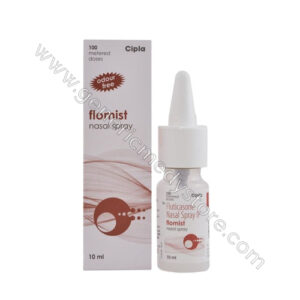
| Flomist Nasal Spray | Fluticasone propionate | Once-daily steroid spray from Cipla |
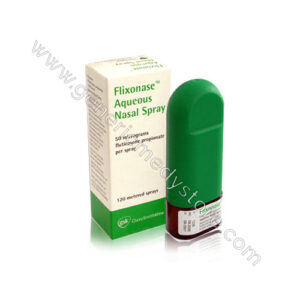
| Flixonase Nasal Spray | Fluticasone propionate | GSK's fluticasone propionate spray |
| Furamist Nasal Spray 27.5 mcg | Fluticasone furoate | Fine-mist, once-daily spray |
| Furamist AZ Nasal Spray | Fluticasone furoate + azelastine | Steroid plus antihistamine, for moderate to severe symptoms when a single spray isn't enough |
Technique matters, and our guide to nasal sprays for allergies covers how to use them and how the options compare.
Side effects are usually mild: dryness or irritation inside the nose, minor nosebleeds, headache and an unpleasant taste or smell. Azelastine can leave a bitter taste and occasionally causes drowsiness. See a doctor about frequent nosebleeds, crusting or pain inside the nose. Children who use a nasal steroid long term should have their height checked regularly.
Antihistamines
Antihistamine tablets block histamine and work well for sneezing, itching and a runny nose, though less well for a blocked nose. They suit mild or occasional symptoms. Non-drowsy types such as cetirizine, loratadine and fexofenadine are the usual first choice. Our range includes ketotifen (Ketasma 1 mg, Asthafen 1 mg), an older antihistamine that also stabilizes the cells that release histamine. It often causes drowsiness and increased appetite, so avoid driving until you know how it affects you, and avoid alcohol.
Montelukast
Montelukast (Singulair 10 mg, Montair 10 mg) blocks leukotrienes, another group of chemicals released during an allergic reaction. It is taken once a day and can ease nasal symptoms, particularly in people who also have asthma, but it is generally less effective than a steroid nasal spray. Chewable strengths such as Singulair 5 mg are used for children, and Montair LC Kid pairs montelukast with the antihistamine levocetirizine.
Important safety warning: montelukast has been linked to neuropsychiatric side effects in adults and children, including sleep disturbance, vivid dreams or nightmares, agitation, anxiety, depression and, rarely, suicidal thoughts or behavior. Because of this, the US FDA advises that for allergic rhinitis it should be reserved for people who have not responded to, or cannot take, other treatments. In the UK its hay fever license covers only people who also have asthma. Stop taking it and contact a doctor straight away if you notice any change in mood, behavior or sleep.
Steroid Tablets Are Not a Routine Allergy Treatment
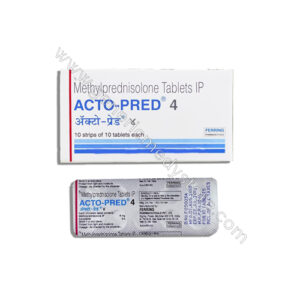
Omnacortil and Wysolone (prednisolone), Medrol and Acto Pred (methylprednisolone), Dexona (dexamethasone) and Betnesol (betamethasone) are listed in this category because doctors sometimes use them for severe allergic inflammation. They are powerful systemic steroids, not antihistamines, and they are not meant for self-treating hay fever.
A doctor may prescribe a short course, usually lasting a few days, when severe symptoms have not responded to sprays and antihistamines, or as part of treatment for other serious allergic conditions. Steroid tablets affect the whole body. Even short courses can cause raised blood sugar, mood changes, poor sleep, increased appetite and indigestion. Longer or repeated courses add further risks, including bone thinning, cataracts, high blood pressure, infections and suppression of the body's own steroid hormones, which is why they must not be stopped suddenly after prolonged use.
Steroid tablets do not treat anaphylaxis. Swelling of the tongue or throat, difficulty breathing, wheeze, dizziness or collapse after exposure to an allergen is an emergency. Use an epinephrine (also called adrenaline) auto-injector if you have one and call emergency services immediately. Steroids act too slowly to be relied on in this situation.
When to See a Doctor
- Symptoms are not controlled after two to four weeks of using a steroid spray correctly
- Your nose is blocked on one side only, bleeds repeatedly, or you have lost your sense of smell
- You have facial pain, thick discolored mucus and a fever, which may point to sinusitis
- Allergies come with wheeze, chest tightness or a night-time cough, which may mean asthma. Our asthma page explains how it is managed.
For severe, persistent allergies, a specialist may offer allergen immunotherapy (desensitisation), which can reduce sensitivity over several years. You can also browse our full respiratory range.
Frequently Asked Questions
Can I use a steroid nasal spray every day for months?
Yes. Modern sprays such as fluticasone are designed for daily use, and very little enters the bloodstream at recommended doses. Use the lowest dose that works and review it with your doctor. Decongestant sprays such as xylometazoline or oxymetazoline are different: they should not be used for more than about a week, as they can cause rebound congestion.
What is the difference between Furamist and Flomist?
Both contain fluticasone but in different forms: Furamist contains fluticasone furoate and Flomist contains fluticasone propionate. Both are once-daily steroid sprays. Use one or the other, not both together.
Can I take an antihistamine tablet with a nasal spray?
Yes, this is a common combination. Check with a pharmacist first if you already use a spray containing azelastine, or take other medicines that cause drowsiness.
The information on this page is general guidance and not a replacement for advice from your doctor or pharmacist. The medicines listed here are prescription medicines, and steroid tablets in particular should only be taken under medical supervision. In a severe allergic reaction, call emergency services straight away.
Allergy guides
- Nasal Spray for Allergies: How Steroid Sprays Work and How to Use ThemHow steroid nasal sprays treat allergic rhinitis and hay fever, how long they take to work, the correct spraying technique and side…