Ordered before 17:30, shipped today


Shop inhalers, rotacaps, nebuliser respules and tablets for breathing conditions from makers such as Cipla (Asthalin, Foracort, Seroflo), GSK (Seretide), AstraZeneca (Symbicort) and Sun Pharma (AB Phylline). The range covers asthma, allergic rhinitis, COPD and pulmonary fibrosis, with relievers, preventers, combination inhalers and the devices needed to use them.
Read moreShowing 1–12 of 135 results
Active Filters:
Clear Filters
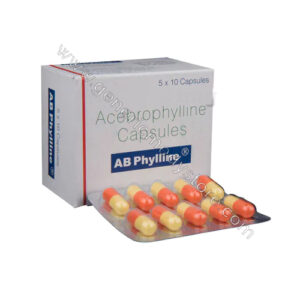
AB Phylline 100 Mg capsules
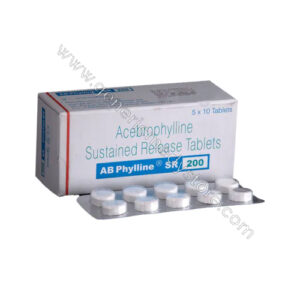
Starting at just $15.00Add to Cart This product has multiple variants. The options may be chosen on the product pageAB Phylline 200 Mg SR Tablets
Starting at just $16.00Add to Cart This product has multiple variants. The options may be chosen on the product pageActo Pred 16 Mg
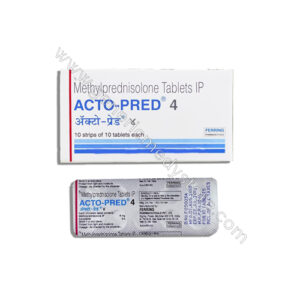
Starting at just $9.00Add to Cart This product has multiple variants. The options may be chosen on the product pageActo Pred 4 Mg
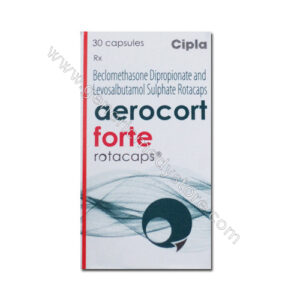
Starting at just $4.00Add to Cart This product has multiple variants. The options may be chosen on the product pageAerocort Forte Rotacaps
Starting at just $4.00Add to Cart This product has multiple variants. The options may be chosen on the product pageAerocort Inhaler
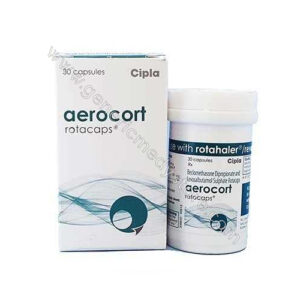
Starting at just $30.00Add to Cart This product has multiple variants. The options may be chosen on the product pageAerocort Rotacaps
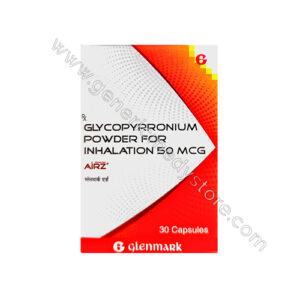
Starting at just $3.20Add to Cart This product has multiple variants. The options may be chosen on the product pageAirz Capsules 50 Mcg
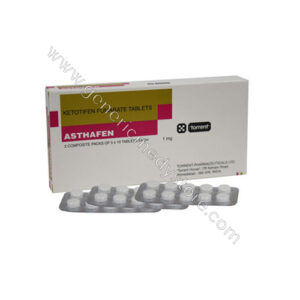
Starting at just $15.00Add to Cart This product has multiple variants. The options may be chosen on the product pageAsthafen 1 Mg
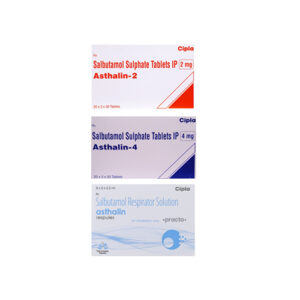
Starting at just $7.00Add to Cart This product has multiple variants. The options may be chosen on the product pageAsthalin
Starting at just $2.00Add to Cart This product has multiple variants. The options may be chosen on the product pageAsthalin 2 Mg
Starting at just $2.00Add to Cart This product has multiple variants. The options may be chosen on the product page




Respiratory Medicines: An Overview of Your Options
Most long-term breathing conditions, including asthma and chronic obstructive pulmonary disease (COPD), are treated mainly with medicines that are breathed in. An inhaled dose goes straight to the airways, so it acts quickly and only a small amount reaches the rest of the body. This guide explains the main medicine classes in our range, how they differ and how the devices compare. For advice on a specific condition, visit our pages on asthma, allergy, COPD and idiopathic pulmonary fibrosis.
The Main Medicine Classes
Short-acting relievers
Albuterol (salbutamol) and levalbuterol (levosalbutamol) are beta-2 agonists that relax the muscle around tightened airways within minutes, with an effect lasting roughly four to six hours. Ipratropium is a short-acting alternative, used mostly in COPD, that works by blocking a nerve signal instead. Relievers ease symptoms but do nothing for the inflammation underneath, so on their own they are not enough for asthma.
Inhaled corticosteroids
Budesonide, beclomethasone (beclometasone), fluticasone and ciclesonide calm the swollen, over-sensitive lining of the airways. They are taken every day, whether or not symptoms are present, and the full benefit builds over a few weeks. In asthma, this is the treatment that lowers the risk of serious attacks.
Long-acting bronchodilators
Long-acting beta-2 agonists (LABAs), such as formoterol and salmeterol, keep the airways open for around 12 hours. Long-acting muscarinic antagonists (LAMAs), such as tiotropium and glycopyrronium, last about 24 hours and are central to COPD care. In asthma, a LABA should only ever be used together with an inhaled steroid.
Combination inhalers
Combining two or three medicines in one device makes daily treatment simpler. Options include a steroid with a LABA, two bronchodilators together for COPD, and triple inhalers that combine a steroid, a LABA and a LAMA.
Tablets
Montelukast, a leukotriene receptor antagonist, is taken once a day as an add-on for asthma and is sometimes used for allergic symptoms. Xanthines (theophylline, doxofylline and acebrophylline) are older oral bronchodilators, now mostly used as add-ons.
Medicine Classes at a Glance
| Class | Medicines | Examples | Mainly used for |
|---|---|---|---|
| Short-acting relievers | Albuterol, levalbuterol | Asthalin Inhaler, Ventorlin Inhaler 100 mcg, Levolin Inhaler | Fast relief of wheeze and breathlessness |
| Short-acting antimuscarinics | Ipratropium, alone or with levalbuterol | Ipravent Rotacaps, Duolin Inhaler | Relief of breathlessness, mainly in COPD |
| Inhaled steroids | Budesonide, beclomethasone | Budecort Inhaler 200 mcg, Beclate Inhaler, Budecort Rotacap 400 mcg | Daily prevention in asthma |
| Steroid + LABA combinations | Salmeterol/fluticasone, formoterol/budesonide, formoterol/fluticasone | Seroflo Inhaler 250 mcg, Foracort Inhaler 200 mcg, Symbicort Turbohaler 160 mcg, Maxiflo Inhaler 250 mcg | Asthma not controlled by a steroid alone; some people with COPD |
| LAMAs and LAMA combinations | Tiotropium, glycopyrronium, tiotropium/formoterol, triple therapy | Tiova Rotacaps, Airz Capsules 50 mcg, Duova Inhaler, Triohale Inhaler | Mainly COPD |
| Leukotriene receptor antagonists | Montelukast | Montair 10 mg, Singulair 10 mg, Montair Chewable 5 mg | Add-on for asthma; some allergic rhinitis |
| Xanthines | Doxofylline, acebrophylline, theophylline | Doxolin 400 mg, AB Phylline 200 mg SR, Theo Asthalin | Add-on bronchodilator |
| Nebuliser respules | Albuterol, budesonide, levosalbutamol/ipratropium | Asthalin Respules, Budecort Respules 0.5 mg, Duolin Respules | Young children, severe symptoms, people unable to use inhalers |
| Nasal steroid sprays | Fluticasone | Flomist, Furamist 27.5 mcg | Allergic rhinitis |
| Antifibrotics | Pirfenidone | Pirfenex 200 mg | Idiopathic pulmonary fibrosis (specialist use) |
The right strength and format depend on your prescribed dose and which device you can use well.
Choosing a Device
The best inhaler is the one you can use correctly every time.
- Metered-dose inhalers (pMDIs): small aerosol canisters that release a measured puff. They are portable and quick, but pressing and breathing in have to be coordinated. A spacer removes most of that difficulty and is recommended for children and for anyone using a steroid inhaler.
- Rotacaps: capsules of dry powder loaded into a breath-activated device such as the Rotahaler or Revolizer. No coordination is needed, but you do need to breathe in quickly and deeply. Rotacaps are for inhalation only and must never be swallowed.
- Multi-dose dry-powder inhalers: devices such as the Turbohaler and Accuhaler hold many pre-measured doses and have a built-in counter.
- Nebulisers: an electric machine turns a liquid respule into a mist that is breathed in over several minutes. They suit young children, people who are very breathless and those who cannot manage a handheld device, but they are slower and less portable.
For a closer look at reliever, preventer and combination inhalers, with step-by-step technique, read our guide to the types of asthma inhalers.
Oral Steroids: Short Courses Only
Prednisolone (Omnacortil 10 mg, Wysolone 10 mg), methylprednisolone (Medrol 4 mg), dexamethasone and betamethasone are steroid tablets. A doctor may prescribe a course lasting a few days to bring a severe asthma attack or COPD flare-up under control. They are not a day-to-day treatment. Repeated or prolonged courses can raise blood sugar and blood pressure, weaken bones, disturb mood and sleep, increase the risk of infection and suppress the body's own steroid hormones. After more than about three weeks of use they must be reduced gradually rather than stopped suddenly. Needing steroid tablets more than once or twice a year is a sign that regular treatment should be reviewed.
Nasal Allergies
Hay fever and other types of allergic rhinitis often occur alongside asthma, and treating the nose can help the chest. Steroid nasal sprays such as Flomist and Furamist are the main treatment. Our article on nasal sprays for allergies explains how they compare and how to use them.
Side Effects by Class
- Relievers and LABAs: shaky hands, a fast or pounding heartbeat, headache and muscle cramps
- Inhaled steroids: hoarse voice, sore throat and oral thrush. Rinsing and spitting after each dose helps prevent these.
- LAMAs and ipratropium: dry mouth, constipation and, less often, difficulty passing urine
- Montelukast: headache and stomach upset. Tell a doctor promptly about new mood, behavior or sleep problems.
- Xanthines: nausea, palpitations, headache and difficulty sleeping
Get urgent medical help if your breathing gets worse straight after using an inhaler, if your reliever stops working, or if you notice swelling of the lips, tongue or throat, chest pain or an irregular heartbeat.
Practical Tips
- Keep using a preventer when you feel well. Stopping it is one of the most common reasons symptoms return.
- Tell your doctor about all other medicines. Beta-blockers, including some glaucoma eye drops, can worsen asthma, and several antibiotics interact with theophylline.
- Avoid smoking and second-hand smoke.
Storage
Store inhalers and tablets below 86°F (30°C), away from damp and direct sunlight. Never puncture or burn an aerosol canister, even when it seems empty. Keep rotacaps in their blister strip until just before use, because moisture can spoil the powder. Once a foil pouch of respules has been opened, use them within the time stated on the pack.
Frequently Asked Questions
Are Indian-made inhalers equivalent to international brands?
Many contain the same active ingredients. For example, Seroflo contains salmeterol and fluticasone, as in Seretide, and Foracort contains budesonide and formoterol, as in Symbicort. The device, dose per puff and inactive ingredients can differ, so check with your prescriber before switching.
Can tablets replace my inhaler?
Usually not. Inhaled medicines reach the airways directly and work better at lower doses with fewer side effects. Tablets such as montelukast or doxofylline are generally added to inhaled treatment rather than used instead of it.
Do I need a prescription?
Yes. These are prescription medicines. Breathing symptoms need a proper diagnosis, usually including breathing tests, and treatment should be reviewed regularly by a doctor or nurse.
This page offers general information only and is not a substitute for personal advice from a doctor or pharmacist. All medicines in our respiratory range are prescription medicines. Check with a healthcare professional that a treatment is right for you, and seek emergency help if your breathing becomes severely difficult.
Respiratory Medicines & Inhalers guides
- Prednisolone vs Prednisone: Differences, Dose Equivalents and UsesPrednisone vs prednisolone: why 5 mg of each is equivalent, which suits liver disease or children, how a steroid course works and…
- Tiova vs Spiriva: Tiotropium Inhalers for COPD ComparedTiova and Spiriva both contain tiotropium, a once-daily COPD inhaler. Compare devices, doses, technique, side effects and how to get the most…
- Seroflo vs Advair: Fluticasone/Salmeterol Inhalers ExplainedSeroflo, Seretide and Advair all contain fluticasone and salmeterol. Match the strengths, compare the devices and learn the dosing and safety rules.
- Foracort vs Symbicort: How These Budesonide/Formoterol Inhalers CompareForacort and Symbicort both combine budesonide with formoterol. Compare makers, strengths, devices, dosing, reliever (SMART) use and side effects.