Ordered before 17:30, shipped today


Explore acne treatments from Menarini (A Ret), Galderma (Adaferin), Micro Labs (Aziderm) and GSK (Clindoxyl). The range covers benzoyl peroxide gels and washes, tretinoin and adapalene retinoids, clindamycin combination gels, azelaic acid and dapsone, plus oral options that are used only under medical supervision for more severe or persistent acne.
Read moreShowing 1–12 of 84 results
Active Filters:
Clear Filters
A Ret Gel
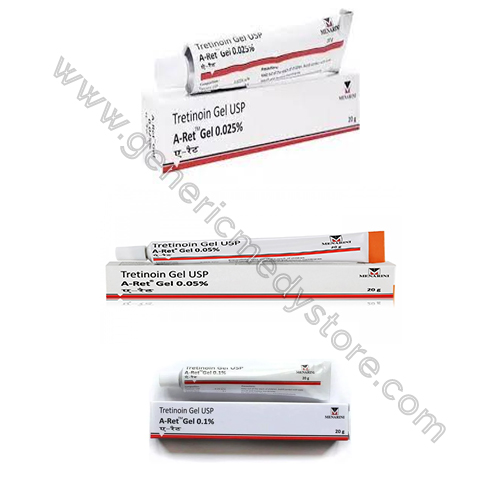
Starting at just $21.00Add to Cart This product has multiple variants. The options may be chosen on the product pageA Ret Gel 0.025%
Starting at just $21.00Add to Cart This product has multiple variants. The options may be chosen on the product pageA Ret Gel 0.05%
Starting at just $25.00Add to Cart This product has multiple variants. The options may be chosen on the product pageA Ret Gel 0.1%
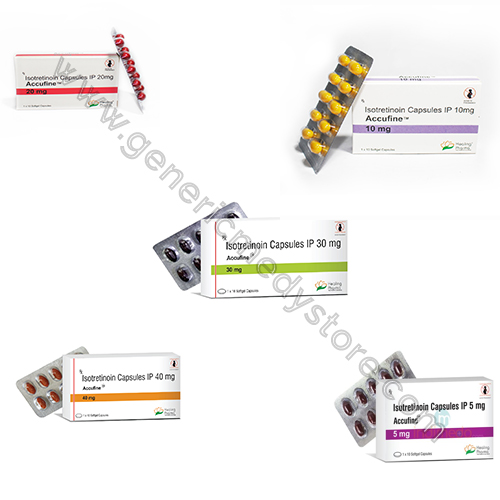
Starting at just $28.00Add to Cart This product has multiple variants. The options may be chosen on the product pageAccufine
Starting at just $35.00Add to Cart This product has multiple variants. The options may be chosen on the product pageAccufine 10 Mg
Starting at just $45.00Add to Cart This product has multiple variants. The options may be chosen on the product pageAccufine 20 Mg
Starting at just $70.00Add to Cart This product has multiple variants. The options may be chosen on the product pageAccufine 30 Mg
Starting at just $80.00Add to Cart This product has multiple variants. The options may be chosen on the product pageAccufine 40 Mg
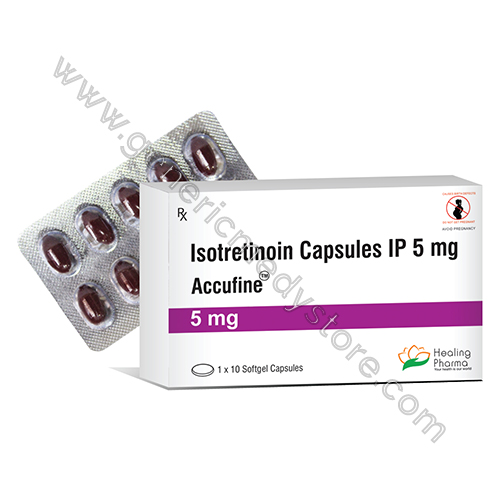
Starting at just $98.00Add to Cart This product has multiple variants. The options may be chosen on the product pageAccufine 5 Mg
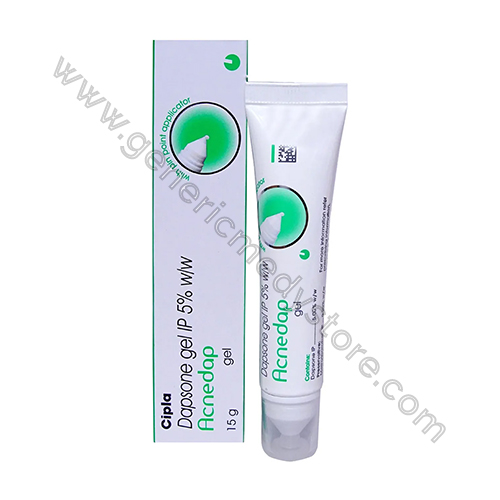
Starting at just $35.00Add to Cart This product has multiple variants. The options may be chosen on the product pageAcnedap Gel
Starting at just $14.00Add to Cart This product has multiple variants. The options may be chosen on the product pageAcnelak-CLZ Cream
Starting at just $7.00Add to Cart This product has multiple variants. The options may be chosen on the product page





Acne Treatment: Choosing Medicines by Acne Type and Severity
Acne affects most teenagers and many adults, particularly women in their 20s, 30s and 40s. It is not caused by dirty skin, and it responds well to treatment. Most medicines need 6–12 weeks of regular use to show a clear benefit, so matching the treatment to your type of acne and sticking with it is what brings results.
What Happens in the Skin
Acne starts in the hair follicle and its oil gland. Four processes combine:
- Extra oil (sebum), driven by androgen hormones.
- Blocked pores, as dead skin cells clump into a plug called a comedone.
- Bacteria, mainly Cutibacterium acnes, multiplying in the blocked follicle.
- Inflammation, turning a plug into a red spot, pustule or nodule.
Each medicine targets one or more of these steps, so two treatments with different actions often beat one.
Types and Grades of Acne
- Comedonal acne: blackheads (open comedones) and whiteheads (closed comedones) with little redness. Usually mild.
- Inflammatory acne: red bumps (papules) and pus-filled spots (pustules), often mixed with comedones. Mild to moderate, depending on extent.
- Nodular or nodulocystic acne: deep, painful lumps that can last for weeks and often leave scars. This is severe acne and needs prompt review by a doctor.
Acne that leaves scars or lasting dark marks is treated more actively, even if spots are few.
The Acne Treatment Ladder
Benzoyl peroxide
Benzoyl peroxide kills acne bacteria and helps loosen blocked pores. Bacteria do not become resistant to it, which makes it the ideal partner for any antibiotic. The 2.5% strength is often as effective as stronger versions and less irritating. It can bleach fabrics and hair.
Topical retinoids
Tretinoin, adapalene and tazarotene normalize how skin cells shed inside the follicle. They clear and prevent comedones, reduce inflammation and are the first choice for keeping skin clear once acne settles. Adapalene is usually the best tolerated; tazarotene is the strongest and most irritating. Our guide to tretinoin for acne covers strengths, application and the early "purging" phase.
Topical antibiotics, always with benzoyl peroxide
Clindamycin gels reduce bacteria and calm red spots, but used alone they breed resistant bacteria. Pair clindamycin with benzoyl peroxide, which bacteria cannot resist, either in one gel such as Clindoxyl Gel or as separate products. Retinoid-antibiotic gels such as Supatret C Gel and Faceclin AT Gel are convenient, and adding benzoyl peroxide still helps limit resistance.
Azelaic acid and dapsone
Azelaic acid is antibacterial, mildly unblocks pores and fades the dark marks acne leaves, and is gentle enough for sensitive or darker skin. Dapsone gel calms red spots; applied together with benzoyl peroxide it can leave a temporary orange-brown stain, so use them at different times of day.
Oral antibiotics
For moderate to severe inflammatory acne, or spots across the back and chest, a doctor may prescribe a tetracycline antibiotic such as doxycycline, usually 100 mg once daily. It is always combined with a topical retinoid or benzoyl peroxide, never an antibiotic gel, and reviewed at around 3 months, as courses are kept short to limit resistance. Take it with a full glass of water while upright, not just before bed, and protect your skin from the sun. It is not suitable in pregnancy or for children under 12.
Isotretinoin: specialist treatment only
Oral isotretinoin is the most powerful acne medicine and can give lasting clearance after one course. It is reserved for severe nodular acne, acne causing scarring, or acne that has not improved after a proper course of oral antibiotics with topical treatment. It must only be prescribed and monitored by a consultant dermatologist, because:
- It causes serious birth defects. Anyone who could become pregnant must follow a pregnancy prevention program, with pregnancy tests before, during and after treatment and effective contraception from one month before starting until one month after stopping.
- It can affect mood. Depression, anxiety and, rarely, suicidal thoughts have been reported, and any change should be reported straight away.
- It needs monitoring. Blood tests check liver function and blood fats before and during the course.
Very dry lips and skin, nosebleeds, dry eyes and aching muscles are common. The specialist sets the dose by body weight, and a course usually lasts 4–6 months. Isotretinoin brands in this section, such as Tretiva (Intas) and Isotroin (Cipla), are intended only for patients with a dermatologist's prescription who are under regular follow-up. Never start isotretinoin on your own.
Topical Acne Treatments in This Section
| Treatment type | Best suited to | Examples |
|---|---|---|
| Benzoyl peroxide gels and washes | Mild inflammatory acne; partner for any antibiotic | Persol AC 2.5% Gel, Persol AC 5% Gel, Brevoxyl Creamy Wash |
| Tretinoin 0.025–0.1% | Comedones and inflamed spots; long-term maintenance | A Ret Gel 0.025%, Retino A Micro 0.04%, Supatret 0.04% Gel |
| Adapalene 0.1% | Mild to moderate acne; more sensitive skin | Adaferin Gel, Adapen Gel |
| Tazarotene | Stubborn comedonal acne (not in pregnancy) | Tazret Gel |
| Clindamycin combinations | Inflamed spots, in courses of about 12 weeks | Clindoxyl Gel, Supatret C Gel, Faceclin AT Gel |
| Azelaic acid 10–20% | Inflamed acne with dark marks; sensitive skin | Aziderm 20% Gel, Ezanic 20% Cream |
| Dapsone gel | Inflammatory acne | Acnedap Gel, Acnewar Plus Gel (with adapalene) |
How to Use Topical Acne Treatments
- Wash with a mild cleanser and let the skin dry fully, then apply a thin layer over the whole area where spots appear, not just on individual spots.
- A pea-sized amount of retinoid covers the whole face. Start every second or third evening and build up as your skin adjusts.
- Keep products away from the eyes, lips and nostrils, and use an oil-free moisturizer and daily sunscreen.
- Don't squeeze or pick spots, as this raises the risk of scars and dark marks.
Side Effects and When to Get Help
Dryness, peeling, redness and stinging are common in the first few weeks and usually ease with less frequent use and a moisturizer. Get medical advice promptly if you notice:
- Blistering, swelling or severe burning of the skin
- Hives, swelling of the face or lips, or difficulty breathing
- Severe or persistent diarrhea while using clindamycin
- Painful swallowing, severe headache or blurred vision while taking doxycycline
- Low mood, thoughts of self-harm, severe stomach pain or yellowing skin while taking isotretinoin
Who Needs Extra Caution
- Pregnancy: isotretinoin and tazarotene must not be used, and other retinoids and doxycycline are avoided. Benzoyl peroxide or azelaic acid may be considered on medical advice.
- Isotretinoin users: avoid tetracycline antibiotics such as doxycycline and vitamin A supplements.
- Adult women with sudden acne plus irregular periods or excess hair growth should be checked for hormonal causes such as polycystic ovary syndrome.
For the dark marks and scars acne can leave, see our hyperpigmentation and scars sections, or return to the main skin care page.
Frequently Asked Questions
Can I use benzoyl peroxide and a retinoid together?
Yes, they are often combined. Because benzoyl peroxide can break down some tretinoin formulations, a common approach is benzoyl peroxide in the morning and the retinoid at night. Adapalene is more stable alongside it.
Can I take isotretinoin without seeing a dermatologist?
No. Isotretinoin needs a specialist assessment, pregnancy prevention measures where relevant, and regular blood tests and mood checks. It should only be used on a dermatologist's prescription with ongoing follow-up.
Will my acne come back after treatment?
It often flares again when treatment stops, especially in the teenage years. Continuing a topical retinoid a few nights a week helps keep it under control.
This guide is general information only and does not replace advice from a doctor, dermatologist or pharmacist. Most acne treatments listed here are prescription medicines, so check with a healthcare professional before starting one, especially if you are pregnant, could become pregnant or take other medicines.
Acne Treatment & Medication guides
- Melasma Treatment: How Hydroquinone and Triple Combination Creams WorkWhat causes melasma and how to treat it: sun protection, hydroquinone, triple combination creams and maintenance tips to stop dark patches returning.
- Tretinoin for Acne: Strengths, How to Use It and What to ExpectA complete guide to tretinoin for acne: which strength to start with, how to apply it step by step, the purging timeline…