Ordered before 17:30, shipped today


Browse creams for dark spots and patchy pigmentation, including hydroquinone formulas such as Eukroma from Yash Pharma, Melalite Forte from Abbott and Melanorm from Unimarck, plus Glyco 6 glycolic acid cream from Micro Labs. They are used to fade marks left by acne, sun damage and inflammation, alongside consistent daily sun protection.
Read moreShowing all 8 results
Active Filters:
Clear Filters
Eukroma Cream
Starting at just $5.00Add to Cart This product has multiple variants. The options may be chosen on the product pageEukroma Cream 20gm
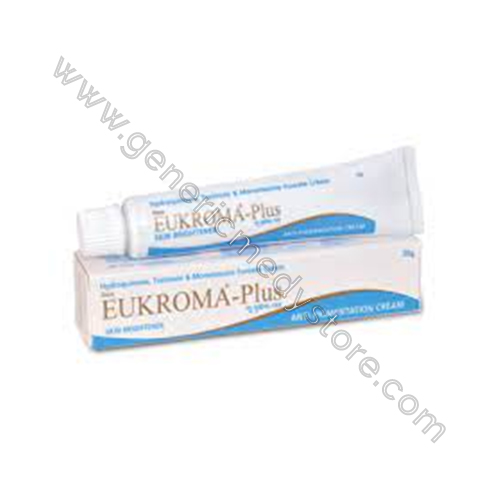
Starting at just $5.00Add to Cart This product has multiple variants. The options may be chosen on the product pageEukroma Plus Cream 20gm
Starting at just $8.00Add to Cart This product has multiple variants. The options may be chosen on the product pageGlyco 6 Cream
Starting at just $6.00Add to Cart This product has multiple variants. The options may be chosen on the product pageMelalite Forte Cream
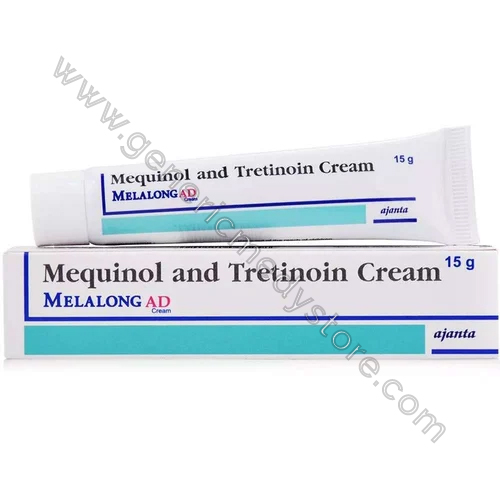
Starting at just $5.00Add to Cart This product has multiple variants. The options may be chosen on the product pageMelalong AD Cream
Starting at just $8.00Add to Cart This product has multiple variants. The options may be chosen on the product pageMelanorm Cream
Starting at just $5.00Add to Cart This product has multiple variants. The options may be chosen on the product pageNiltan Cream
Starting at just $8.00Add to Cart This product has multiple variants. The options may be chosen on the product page






Hyperpigmentation: Fading Dark Spots and Patches Safely
Hyperpigmentation is the general term for areas of skin that are darker than the skin around them. It happens when pigment cells produce extra melanin in response to inflammation, sunlight or hormones. It is very common, usually harmless, and tends to be more noticeable and longer-lasting in medium and darker skin tones. Identifying the cause matters, because it shapes which treatment works and how quickly marks fade.
Common Types of Hyperpigmentation
- Post-inflammatory hyperpigmentation (PIH): flat brown or gray marks left behind after acne, eczema, insect bites, cuts, burns or harsh skin treatments. Controlling the underlying problem comes first; for spots, see our acne treatments.
- Sun spots (solar lentigines): well-defined brown spots on the face, hands and shoulders after years of sun exposure, usually appearing from middle age.
- Melasma: symmetrical facial patches linked to hormones and light, which need a long-term plan. See our melasma section.
- Other causes: freckles, certain medicines and some medical conditions. Velvety dark patches in skin folds (acanthosis nigricans) can be linked to insulin resistance and should be checked by a doctor.
Important: a new dark spot, or a mole that is growing, changing shape or color, itching or bleeding, should be examined by a doctor before any fading cream is used. Skin cancer can occasionally look like a harmless mark.
How the Treatments Work
| Treatment | How it helps | Often used for | Examples |
|---|---|---|---|
| Hydroquinone 2–4% | Blocks tyrosinase, the enzyme that makes melanin | PIH, sun spots, melasma | Eukroma Cream, Melalite Forte Cream, Melanorm Cream |
| Glycolic acid | Loosens pigmented surface cells so they shed faster; smooths texture | Mild uneven tone, sun spots, dullness | Glyco 6 Cream |
| Azelaic acid | Slows overactive pigment cells and calms inflammation; also treats acne | Marks after acne, sensitive skin | Aziderm 20% Cream, Ezanic 20% Cream |
| Topical retinoids | Speed up skin renewal so pigment clears sooner | PIH, sun-damaged skin | Retino A Cream 0.025% |
| Broad-spectrum sunscreen | Prevents new pigment and stops existing marks darkening | Everyone using the treatments above | Your own daily SPF 30–50 |
Using Hydroquinone Sensibly
- Use it as your doctor or pharmacist directs, usually once or twice daily as a thin layer on the dark areas only.
- Try it on a small patch of skin for a few days first to check for irritation or allergy.
- Fading is gradual. If there is no improvement after about 2–3 months, stop and ask for a review.
- Limit continuous use to around 3–4 months, then take a break or switch to a maintenance option such as azelaic acid.
- Prolonged, uninterrupted use can cause exogenous ochronosis, a blue-black darkening that is very hard to reverse.
- Don't apply it at the same time as benzoyl peroxide or other peroxide products, which can cause temporary dark staining.
- Avoid it in pregnancy or while breastfeeding unless a doctor advises otherwise, and keep it away from the eyes and broken skin.
Stinging, redness and dryness are the most common side effects. A pale halo can appear if the cream is spread beyond the patch.
Getting the Most from Glycolic Acid
Glycolic acid is an alpha-hydroxy acid (AHA). Start with two or three evenings a week and build up as your skin allows. Brief tingling is normal; persistent burning is not. Avoid using it on the same night as a retinoid until your skin tolerates both. AHAs increase sensitivity to sunburn, so daily sunscreen is essential. Stronger glycolic acid peels should only be performed by a trained professional.
Extra Care for Darker Skin Tones
In medium and darker skin, irritation can itself trigger new pigmentation, so an over-enthusiastic routine can create fresh dark marks. Choose lower strengths, introduce one product at a time, and pause if your skin becomes red, sore or peeling. Avoid harsh scrubs, home peels and remedies such as lemon juice. Strong peels or laser treatments should only be carried out by practitioners experienced with darker skin. A slower, gentler plan almost always gives a better result.
Frequently Asked Questions
How long do acne marks take to fade?
Left alone, marks from spots can take many months to fade, often longer in darker skin. With treatment and daily sunscreen, most people notice a change within 2–3 months.
Can I apply hydroquinone all over my face?
Generally no. It works best applied only to the darker areas, unless a doctor advises otherwise. Spreading it widely can lighten the surrounding skin unevenly.
Is hyperpigmentation permanent?
Most pigment in the upper layer of skin fades with time, treatment and sun protection. Deeper pigment fades more slowly and may only partly improve. For more on hydroquinone-based creams, see our melasma treatment guide.
This information is general in nature and is not a substitute for personal advice from a doctor, dermatologist or pharmacist. Hydroquinone and retinoid creams are prescription medicines. Get any changing or unusual dark spot checked before treating it, and confirm a product suits your skin before use.
Hyperpigmentation & Dark Spot Treatment guides
- Melasma Treatment: How Hydroquinone and Triple Combination Creams WorkWhat causes melasma and how to treat it: sun protection, hydroquinone, triple combination creams and maintenance tips to stop dark patches returning.