Ordered before 17:30, shipped today


Compare erectile dysfunction pills in one place. Every ED medication here is a PDE5 inhibitor: it helps blood flow into the penis so an erection can happen when you are sexually aroused. Choose generic sildenafil (the active ingredient in Viagra), tadalafil (Cialis), vardenafil (Levitra), avanafil (Stendra) or udenafil, made and licensed in India by companies such as Centurion Laboratories, Sunrise Remedies and Ajanta Pharma. Formats include standard tablets, chewables, soft tabs, oral jelly and dissolving strips. Take ED pills only under a doctor’s care, and never together with nitrate heart medicines.
Read moreShowing 1–12 of 161 results
Active Filters:
Clear Filters
Aurogra 100 Mg
Starting at just $80.00Add to Cart This product has multiple variants. The options may be chosen on the product pageAvaforce
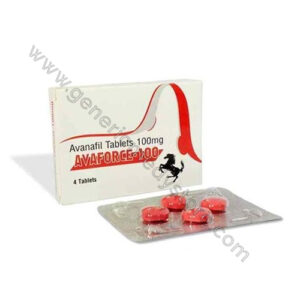
Starting at just $126.00Add to Cart This product has multiple variants. The options may be chosen on the product pageAvaforce 100 Mg
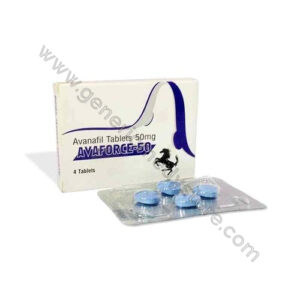
Starting at just $187.00Add to Cart This product has multiple variants. The options may be chosen on the product pageAvaforce 50 Mg
Starting at just $126.00Add to Cart This product has multiple variants. The options may be chosen on the product pageAvana
Starting at just $187.00Add to Cart This product has multiple variants. The options may be chosen on the product pageAvana 100 Mg
Starting at just $187.00Add to Cart This product has multiple variants. The options may be chosen on the product pageAvana 200 Mg
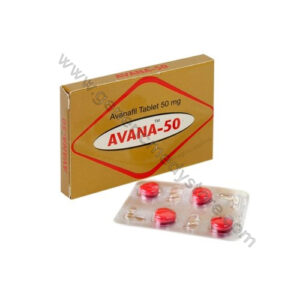
Starting at just $292.00Add to Cart This product has multiple variants. The options may be chosen on the product pageAvana 50 Mg
Starting at just $117.00Add to Cart This product has multiple variants. The options may be chosen on the product pageBluemen
Starting at just $108.00Add to Cart This product has multiple variants. The options may be chosen on the product pageBluemen 100 Mg
Starting at just $85.00Add to Cart This product has multiple variants. The options may be chosen on the product pageBluemen 200 Mg
Starting at just $108.00Add to Cart This product has multiple variants. The options may be chosen on the product pageBluemen 25 Mg
Starting at just $63.00Add to Cart This product has multiple variants. The options may be chosen on the product page






Understanding Erectile Dysfunction
Erectile dysfunction (ED) is the ongoing inability to get or keep an erection firm enough for satisfactory sex. An occasional off night is normal and nothing to worry about; doctors usually talk about ED when the problem keeps happening over several weeks or months. It is very common, especially after the age of 40, and highly treatable. Often an underlying cause can be found and improved.
How an Erection Happens
An erection relies on the mind, nerves, blood vessels and hormones working together. Arousal sends nerve signals to the penis, its blood vessels widen and the spongy tissue fills with blood, while the veins that drain it are compressed to hold the blood in place. Testosterone supports desire throughout. A problem at any of these stages can lead to ED.
Common Causes of ED
Physical causes
- Vascular disease: narrowing and stiffening of the arteries (atherosclerosis) reduces blood flow to the penis. High blood pressure, raised cholesterol, smoking and obesity all add to the risk.
- Diabetes: over time, high blood sugar damages both the small blood vessels and the nerves that control erections. Men with diabetes develop ED more often, and at a younger age.
- Hormonal problems: low testosterone, an overactive or underactive thyroid, or raised levels of the hormone prolactin can reduce desire and erection quality.
- Nerve damage: multiple sclerosis, Parkinson's disease, spinal cord injury, and surgery or radiotherapy for prostate, bladder or bowel cancer can interrupt nerve signals.
- Structural problems: Peyronie's disease, in which scar tissue makes the penis curve, can make erections painful or difficult.
Psychological causes
Stress, anxiety, depression, relationship difficulties and worry about performance can all interfere with arousal. One disappointing experience can start a cycle of anxiety that makes the next attempt harder. A psychological cause is more likely when ED comes on suddenly, happens only in certain situations, or when morning and night-time erections are still normal.
Medicines and lifestyle
Some prescription medicines list ED as a side effect. Examples include certain blood pressure tablets (such as thiazide diuretics and some beta-blockers), many antidepressants, antipsychotics, opioid painkillers and some treatments for an enlarged prostate or prostate cancer. Never stop a prescribed medicine on your own; ask your doctor whether an alternative is possible. Heavy drinking, smoking, recreational drugs and lack of exercise also play a part.
ED as an Early Warning for Your Heart
The arteries that supply the penis are narrower than those supplying the heart, so they often show the effects of artery disease first. In many men, erection problems appear several years before symptoms such as chest pain or a heart attack. For this reason, any man with new ED, particularly if he is over 40 or has diabetes, high blood pressure, high cholesterol or a smoking history, should have a cardiovascular check-up. Tackling these risk factors protects the heart and can improve erections too.
How ED Is Diagnosed
Diagnosis usually starts with a conversation. A doctor will ask when the problem began, whether it happens every time or only sometimes, whether you still wake with erections, and about your general health, medicines, alcohol intake and mood. A typical assessment may include:
- Blood pressure, weight and a brief physical examination
- Blood tests for blood sugar (HbA1c or glucose) and cholesterol
- A morning testosterone level, especially if your sex drive is low or you feel unusually tired
- Sometimes thyroid or prolactin tests, or referral for specialist tests such as a penile ultrasound
Treatment Options, Step by Step
1. Lifestyle changes and treating the cause
Stopping smoking, losing excess weight, exercising regularly, cutting down on alcohol and managing stress all improve blood flow, and for some men they are enough on their own. Better control of diabetes, blood pressure and cholesterol helps too. Our article with practical lifestyle tips for erectile dysfunction goes into more detail.
2. PDE5 inhibitor tablets
Tablets are the first-line medical treatment and work for most men who use them correctly. The main choices are:
| Medicine | Key feature | Examples |
|---|---|---|
| Tadalafil | Works for up to 36 hours; a low daily dose is also available | Vidalista 20 mg, Vidalista 5 mg, Tadasoft 20 mg, Tastylia 20 mg |
| Vardenafil | Short-acting, taken shortly before sex | Valif 20 mg, Zhewitra 20 mg, Valif Oral Jelly 20 mg |
| Sildenafil | The longest-established option, taken about an hour before sex | Zenegra 50 mg |
| Avanafil | Fast onset, often within 15–30 minutes | See the avanafil range |
| Udenafil | Intermediate duration; licensed in some countries only | Zudena 100 mg |
These tablets need sexual stimulation to work, and it can take several attempts at the right dose before you can judge whether one suits you. To weigh up the two most widely used options, see our sildenafil vs tadalafil comparison.
3. Other medical treatments
If tablets don't work or aren't suitable, a specialist can offer other options:
- Vacuum erection devices: a cylinder and pump draw blood into the penis, and a ring at the base maintains the erection. They are drug-free and suit many men who can't take tablets.
- Alprostadil: a medicine that acts directly on the blood vessels of the penis. It is given as a cream, a small pellet placed in the urethra, or an injection into the side of the penis. Injections often work for men who don't respond to tablets.
- Testosterone replacement: only for men with confirmed low testosterone. It may also improve the response to tablets.
- Penile implants: a surgical option for men who have not responded to other treatments.
4. Psychosexual therapy
Talking therapy with a psychosexual counsellor, alone or as a couple, helps address performance anxiety, relationship strain and other psychological factors. It works well alongside medication and sometimes removes the need for long-term tablets.
Using ED Pills Safely
PDE5 inhibitors must never be taken with nitrate medicines such as GTN spray, or with recreational "poppers". They are also unsuitable for some people with heart disease, very low blood pressure or certain eye conditions. Take no more than one ED tablet in 24 hours, and never exceed the labeled maximum dose. See each medicine's page for full details.
When to See a Doctor
- ED that has lasted more than a few weeks or keeps returning
- ED together with chest pain or breathlessness, or if you have known heart disease or diabetes
- Low sex drive, tiredness or loss of body hair, which may point to low testosterone
- Pain, a lump or a new curve in the penis
- ED that began after pelvic surgery, an injury or a new medicine
- An erection lasting more than four hours, which is a medical emergency
Frequently Asked Questions
Is ED just a normal part of getting older?
ED becomes more common with age, but it is not inevitable. Many older men have normal erections, and when ED does develop there is usually a treatable reason behind it.
Can erectile dysfunction go away?
Sometimes. When ED is linked to something reversible, such as a medicine side effect, excess weight, smoking, heavy drinking or anxiety, dealing with that factor can restore erections. In other cases, treatment manages the problem effectively rather than removing the cause.
Can young men get ED?
Yes. In younger men it is more often linked to stress, anxiety, alcohol or recreational drugs, but physical causes such as diabetes or hormone problems should still be ruled out.
Do ED tablets increase sex drive?
No. PDE5 inhibitors improve blood flow in response to arousal but don't affect desire. Low libido has different causes, such as low testosterone, depression or relationship issues, and needs its own assessment.
This guide is intended for general information and cannot replace a consultation with a doctor. Erectile dysfunction can be a sign of other health problems, and all ED medicines are prescription treatments. Please get medical advice before starting treatment, especially if you have heart disease or take other medicines.
Erectile Dysfunction Pills (ED Medication) guides
- Daily Tadalafil 5 mg vs 20 mg As Needed: Which Plan Is Right for You?Tadalafil 5 mg every day or 10–20 mg before sex? Compare how each plan works, tablets per month, side effects, the BPH…
- Fildena vs Cenforce: How the Two Sildenafil Brands CompareFildena vs Cenforce: two Indian sildenafil brands with the same active ingredient. Compare makers, strengths, formats and price, and which one suits…
- Vidalista vs Cialis: Differences, Dosage and Which to ChooseVidalista vs Cialis: both contain tadalafil, the long-acting ED medicine. Compare licensing, strengths, daily vs on-demand use, side effects and price.
- Cenforce vs Viagra: Differences, Dosage and Which to ChooseCenforce vs Viagra compared: the same sildenafil, but a different maker, licensing, strength range and price. What differs and how to choose…