Ordered before 17:30, shipped today


Explore asthma relievers, preventers and combination inhalers from Cipla (Asthalin, Budecort, Foracort, Seroflo), GSK (Ventorlin, Seretide), AstraZeneca (Symbicort) and MSD (Singulair). Choose from inhalers, rotacaps, nebuliser respules and montelukast tablets for adults and children, used to ease wheeze and breathlessness and to prevent asthma attacks.
Read moreShowing 1–12 of 125 results
Active Filters:
Clear Filters
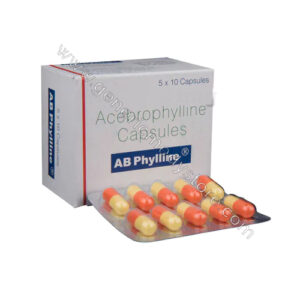
AB Phylline 100 Mg capsules
Starting at just $15.00Add to Cart This product has multiple variants. The options may be chosen on the product pageAB Phylline 200 Mg SR Tablets
Starting at just $16.00Add to Cart This product has multiple variants. The options may be chosen on the product pageActo Pred 16 Mg
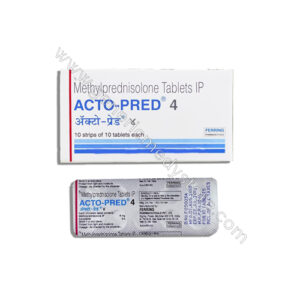
Starting at just $9.00Add to Cart This product has multiple variants. The options may be chosen on the product pageActo Pred 4 Mg
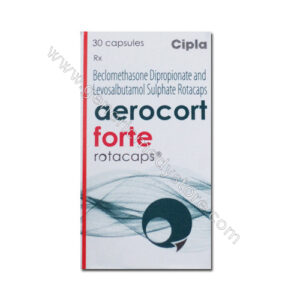
Starting at just $4.00Add to Cart This product has multiple variants. The options may be chosen on the product pageAerocort Forte Rotacaps
Starting at just $4.00Add to Cart This product has multiple variants. The options may be chosen on the product pageAerocort Inhaler
Starting at just $30.00Add to Cart This product has multiple variants. The options may be chosen on the product pageAerocort Rotacaps
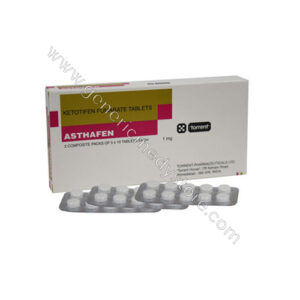
Starting at just $3.20Add to Cart This product has multiple variants. The options may be chosen on the product pageAsthafen 1 Mg
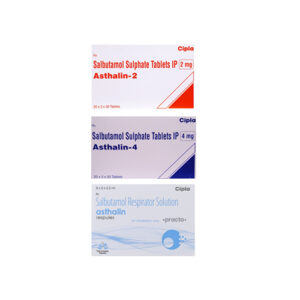
Starting at just $7.00Add to Cart This product has multiple variants. The options may be chosen on the product pageAsthalin
Starting at just $2.00Add to Cart This product has multiple variants. The options may be chosen on the product pageAsthalin 2 Mg
Starting at just $2.00Add to Cart This product has multiple variants. The options may be chosen on the product pageAsthalin 4 Mg
Starting at just $3.00Add to Cart This product has multiple variants. The options may be chosen on the product page







Asthma: Understanding and Controlling Your Condition
Asthma is a long-term condition in which the airways are persistently inflamed and react strongly to certain triggers. During a flare, the muscle in the airway walls tightens, the lining swells and sticky mucus builds up, leaving less room for air. The result is wheezing, a tight chest, breathlessness and a cough that is often worse at night or early in the morning.
Because many people feel entirely well between episodes, asthma is easily under-treated. Good treatment keeps the airways settled so that attacks become rare, rather than only relieving symptoms. For inhaler types and how to use each device, see our guide to asthma inhalers, and for an overview of every medicine class we stock, visit the respiratory category.
Know Your Triggers
Triggers vary from person to person, and a symptom diary can help you spot your own.
- Infections: colds and flu, the most common cause of attacks.
- Allergens: pollen, house dust mites, mold spores and pet dander.
- Smoke and pollution: tobacco smoke (including second-hand), wood or incense smoke and traffic fumes.
- Weather and exercise: cold air, sudden temperature changes, thunderstorms in the pollen season, and exercise in cold, dry air.
- Medicines: beta-blocker tablets or eye drops (used for blood pressure, heart conditions and glaucoma) and, in a minority of people, aspirin or anti-inflammatory painkillers such as ibuprofen.
- Other factors: strong smells, workplace dusts and chemicals, stress and hormonal changes.
Treating hay fever can also improve asthma control; see our allergy treatments.
How Treatment Is Stepped Up and Down
Treatment is adjusted in stages: stepped up when symptoms persist, and down to the lowest effective level after about three months of good control. Before any increase, your doctor or nurse should check inhaler technique, daily preventer use, triggers and smoking.
Current guidelines no longer recommend treating asthma with a reliever alone. Everyone with asthma should receive an inhaled steroid in some form, because that is what calms the inflammation and prevents attacks.
| Stage | Usual approach | Examples |
|---|---|---|
| Mild or occasional symptoms | A low-dose steroid/formoterol inhaler used when needed, or a daily low-dose steroid preventer plus a reliever | Symbicort Turbohaler 160 mcg, Budecort Inhaler 100 mcg, Asthalin Inhaler |
| Symptoms most weeks | A daily steroid and long-acting bronchodilator combination | Foracort Inhaler 200 mcg, Fullform Rotacaps 200 mcg, Seroflo Inhaler 125 mcg |
| Still not controlled | A higher-strength combination, sometimes with a trial of montelukast | Seroflo Inhaler 250 mcg, Foracort Inhaler 400 mcg, Maxiflo Inhaler 250 mcg, Montair 10 mg |
| Severe or difficult asthma | Specialist referral; options include add-on tiotropium or biological injections | Specialist-led |
Only formoterol combinations, such as budesonide/formoterol or beclometasone/formoterol, can double as a reliever, because formoterol starts working within minutes (maintenance and reliever therapy, or MART). Salmeterol inhalers such as Seroflo are for regular twice-daily use only. Use a combination inhaler as your reliever only if your doctor has set this up and given you a daily maximum, and never change steps on your own.
Is Your Asthma Well Controlled?
Over the past four weeks, a "yes" to any of these questions means your asthma could be better controlled:
- Have you had daytime symptoms on more than two or three days a week?
- Have you needed your reliever on more than two or three days a week (not counting a dose before exercise)?
- Has asthma woken you at night?
- Has asthma limited your work, school, exercise or daily activities?
Getting through three or more reliever inhalers a year, or needing a course of steroid tablets, are further warning signs. A peak flow meter can also help: a reading well below your personal best may show a problem before you feel unwell.
Your Personal Asthma Action Plan
A written action plan, agreed with your doctor or asthma nurse and shared with family or school, sets out what to do as symptoms change. It usually has three zones:
- Green (well): your usual daily medicines and your normal peak flow.
- Amber (getting worse): early signs such as more reliever use, night waking or a falling peak flow, plus what to change and when to get an urgent appointment.
- Red (emergency): the signs of an attack and exactly what to do.
Warning Signs of an Asthma Attack
Get emergency help straight away if:
- your reliever isn't helping, or you need it more often than every four hours
- you are too breathless to speak in full sentences, eat or sleep
- breathing is very fast, or a child's ribs or tummy suck in with each breath
- your lips or fingertips look blue or gray
- you feel drowsy, confused, exhausted or faint
If you use a albuterol (salbutamol)-type reliever, the usual advice is to sit upright, try to stay calm and take one puff every 30 to 60 seconds, ideally through a spacer, up to 10 puffs. If you feel worse at any point, or no better after 10 puffs, call emergency services. If help hasn't arrived within 15 minutes, repeat the puffs. If your reliever is a formoterol combination inhaler, follow the emergency instructions in your own action plan instead. After any attack, even a mild one, see your doctor within 48 hours.
Asthma in Children
Many young children wheeze with colds, and not all of them go on to have asthma, so the diagnosis can take time. Inhaled medicines are given through a metered-dose inhaler and spacer, with a face mask for the youngest children. Some young children are prescribed nebulised respules such as Budecort Respules 0.5 mg.
Montelukast comes as chewable tablets: Montair Chewable 4 mg is typically used from 2 to 5 years, and Montair Chewable 5 mg or Singulair 5 mg from 6 to 14 years, once a day in the evening. From 15 years the 10 mg tablet is used. Montelukast can affect mood, behavior and sleep, so watch for nightmares, agitation, anxiety or low mood, and speak to a doctor promptly if they appear.
Low-dose inhaled steroids are considered safe for children. They can slightly slow growth in the first year of use, so height is checked at reviews, but poorly controlled asthma also affects growth, sleep and schooling.
Side Effects
Relievers and long-acting bronchodilators can cause shaky hands, a pounding heartbeat and headache. Inhaled steroids can cause a hoarse voice or oral thrush, which a spacer and mouth-rinsing help prevent. Get urgent help if wheezing suddenly worsens right after using an inhaler, or if your face, lips or throat swell.
Other Medicines in This Category
Oral bronchodilators such as Asthalin 4 mg, Bambudil 10 mg (bambuterol) and Theo Asthalin are used far less often today, because inhaled medicines work better at lower doses. Steroid tablets such as Omnacortil 10 mg are for short courses during attacks, not regular use. Some inhalers shown here, including Duova, Triohale and Duolin, are intended for COPD rather than asthma; see our COPD page.
Frequently Asked Questions
Can asthma go away?
Symptoms can settle for long periods, and some children seem to grow out of it, but the tendency often remains and can return later in life. Never stop a preventer without talking to your doctor, even if you feel well.
Can I exercise with asthma?
Yes, and staying active is good for your lungs. Warm up gradually and ask your doctor whether to take your reliever, or your MART inhaler, shortly before exercise.
Is asthma treatment safe during pregnancy?
Most inhaled asthma medicines are considered safe to continue, and uncontrolled asthma poses a greater risk to mother and baby than the medicines do. Tell your doctor or midwife that you have asthma.
This guide is for general information and cannot replace advice from a doctor, asthma nurse or pharmacist. Asthma medicines are prescription-only and should follow your own diagnosis and action plan. During an attack, seek emergency care without delay.
Asthma Inhalers & Medications guides
- Prednisolone vs Prednisone: Differences, Dose Equivalents and UsesPrednisone vs prednisolone: why 5 mg of each is equivalent, which suits liver disease or children, how a steroid course works and…
- Tiova vs Spiriva: Tiotropium Inhalers for COPD ComparedTiova and Spiriva both contain tiotropium, a once-daily COPD inhaler. Compare devices, doses, technique, side effects and how to get the most…
- Seroflo vs Advair: Fluticasone/Salmeterol Inhalers ExplainedSeroflo, Seretide and Advair all contain fluticasone and salmeterol. Match the strengths, compare the devices and learn the dosing and safety rules.
- Foracort vs Symbicort: How These Budesonide/Formoterol Inhalers CompareForacort and Symbicort both combine budesonide with formoterol. Compare makers, strengths, devices, dosing, reliever (SMART) use and side effects.