


The most common asthma triggers at home are dust mites, pet dander, mold, tobacco and wood smoke, cleaning sprays and strong scents, fumes from gas stoves, pollen that drifts indoors, and cold air. You cannot remove every trigger, but simple changes in each room, a preventer inhaler taken as prescribed, and a written asthma action plan can mean fewer flare-ups.
What are the most common asthma triggers at home?
Asthma leaves the airways swollen and sensitive, so a trigger can make them tighten. Some triggers are allergens; others are irritants. Here is where they hide and the first thing to try. Many of these steps match the CDC’s advice on controlling asthma.
| Trigger | Where it is found | First step |
|---|---|---|
| Dust mites | Mattresses, pillows, bedding, carpet, stuffed toys | Allergen-proof covers; wash bedding every week |
| Pets | Dander and saliva on furniture, carpet and beds | Keep pets out of the bedroom |
| Mold | Bathrooms, basements, under sinks, around leaks | Fix leaks; keep humidity below 50% |
| Smoke | Cigarettes, cigars, fireplaces, wood stoves | Keep the whole home smoke-free |
| Cleaning sprays and scents | Spray cleaners, bleach, air fresheners, scented candles, incense | Use unscented products; wipe instead of spray |
| Gas stoves | Kitchen, especially without a vent hood | Run a hood that vents outdoors every time you cook |
| Pollen | Open windows, plus hair, clothes and pets after time outside | Close windows on high-pollen days |
| Cold air | Drafts, air conditioning, stepping outside in winter | Cover your nose and mouth; keep your reliever close |
How can you reduce asthma triggers in the bedroom?
You spend about a third of your life in bed, so start with the bedroom.
- Dust mites: These tiny creatures live in mattresses, pillows and bedding. Use allergen-proof mattress and pillow covers, wash bedding every week (in hot water if the fabric allows), and dry it completely. The CDC also suggests avoiding down-filled pillows and comforters.
- Humidity: Dust mites and mold thrive in damp air. The CDC suggests keeping indoor humidity around 30% to 50%. An inexpensive hygrometer (humidity gauge) shows your level.
- Floors: Hard floors hold less dust and dander than carpet. Vacuum carpet regularly with a HEPA-filter vacuum. Vacuuming stirs up dust for a while, so let someone else do it if you can.
- Pets: If you are allergic to a furry pet, keep it out of the bedroom. Trimming the fur does not help; the CDC notes that people with asthma are not allergic to the fur itself.
- Pollen: On high-pollen days, keep windows closed, use air conditioning if you have it, and shower before bed. If pollen or dust also gives you a stuffy, runny nose, see our guide to nasal sprays for allergies.
How do you make the kitchen and bathroom safer for asthma?
Gas stoves
Gas burners release nitrogen oxides and fine particles. The American Lung Association notes that cooking on a gas stove gives off much higher levels of fine particles than cooking on an electric stove, and that nitrogen oxides can bring on severe asthma symptoms.
- Run a range hood that vents outdoors every time you use the burners or oven, and cook on the back burners.
- If you have no hood, or your hood only recirculates the air, open a window while you cook.
- Never use a gas stove or oven to heat your home.
Cleaning sprays and pest control
Spray cleaners send fine droplets and fumes into the air you breathe. MedlinePlus advises using only unscented detergents and cleaning products in the home of someone with asthma.
- Spray the cloth instead of the surface, or use plain soap and water, and open a window while you clean.
- Never mix bleach with ammonia or other cleaners.
- For cockroaches, clean up crumbs, keep food sealed and fix leaks. The CDC warns that bug sprays and foggers can cause asthma attacks, so ask about baits or traps instead.
Mold in bathrooms and basements
According to the CDC, mold can trigger asthma attacks whether or not you are allergic to it.
- Run the bathroom fan or open a window when you shower.
- Fix leaks quickly, and dry wet or damp items within 24 to 48 hours.
- Keep humidity below 50% with air conditioning or a dehumidifier, especially in basements.
- Scrub mold off hard surfaces with detergent and water, then dry them fully. If a moldy area is large, ask someone without asthma to deal with it.
Can smoke, scents and cold air set off asthma?
Yes. These are irritants, so they can bother your airways even if you have no allergies.
Tobacco smoke. MedlinePlus calls removing tobacco smoke from the home “the single most important thing a family can do” for someone with asthma, and notes that smoking outside is not enough. Free help to quit is available at 1-800-QUIT-NOW.
Wood smoke and scents. Fireplaces, wood stoves, incense, scented candles, air fresheners and perfume all add smoke or fragrance to indoor air. Choose fragrance-free products where you can.
Cold air. The CDC lists cold, dry air as a trigger. At home, watch for cold drafts, air conditioning blowing straight at you, and stepping from a warm house into winter air. A loose scarf over your nose and mouth warms the air a little. If cold air reliably sets you off, ask your doctor whether to use your reliever before you head out.
Why take a preventer inhaler if you avoid triggers?
Avoiding triggers helps, but many people with asthma also need a daily preventer (controller) inhaler. Most preventers contain an inhaled corticosteroid such as budesonide, fluticasone or beclomethasone (beclometasone). This calms airway swelling, so the airways react less to triggers.
- Use it every day, even when you feel fine. MedlinePlus says control medicines need to be taken daily to work as they should. The US label for one budesonide inhaler says the full benefit may take 1 to 2 weeks or longer.
- It is not a rescue inhaler. For sudden symptoms, use the reliever your doctor prescribed, usually albuterol (salbutamol). Some doctors prescribe a budesonide/formoterol inhaler as both the preventer and the reliever; follow only the plan you are given.
- Rinse your mouth after each dose and spit the water out. The label says this lowers the chance of thrush, a fungal infection in the mouth.
- Do not stop on your own, even when your symptoms are gone. Our guide to types of asthma inhalers explains each device and how to use it.
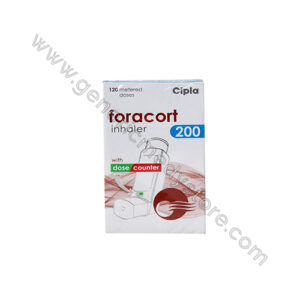
If cost makes it hard to stay on a preventer, Indian generics contain the same active ingredients as US brands and are made and licensed in India. The Budecort 200 mcg inhaler contains budesonide (from $27), and the Foracort 200 mcg inhaler combines budesonide with formoterol (from $14). You can compare more options in our asthma inhalers section, and use any prescription inhaler only under your doctor’s care.

What should be in your asthma action plan?
An asthma action plan is a written plan you make with your doctor. According to MedlinePlus, it should cover your daily medicines, your triggers and how to avoid them, and how to spot worsening asthma and what to do. Many plans use three color zones:
- Green (doing well): No cough or wheeze, and you can do your normal activities. Keep taking your daily preventer.
- Yellow (getting worse): Cough, wheeze, chest tightness or shortness of breath, or a peak flow of 50% to 80% of your usual highest reading. Your plan says how much reliever to take and when to call your doctor.
- Red (medical alert): Severe shortness of breath, a reliever that is not helping, or a peak flow below 50% of your usual highest reading. Take the medicine in your plan and get emergency help.
Keep copies on the fridge and your phone, share one with a child’s school, and bring it to every checkup.
When to see a doctor
Book an appointment if:
- You use your reliever inhaler more than twice a week, or asthma wakes you at night.
- Your symptoms get worse or do not improve with treatment.
- An attack needs more medicine than your plan allows.
- A new pet, a move or a damp problem seems to make things worse.
Call 911 or go to the emergency room right away if you have severe shortness of breath at rest, trouble speaking, bluish lips or face, drowsiness or confusion, severe chest pain, a very fast pulse, a peak flow below 50% of your usual highest reading, or if your reliever is not helping.
Frequently asked questions
What is the most common asthma trigger at home?
Dust mites, pet dander, mold and tobacco smoke are among the most common. Allergy testing through your doctor can show which ones affect you.
Do air purifiers help with asthma triggers?
A HEPA air cleaner can lower airborne dander and smoke in the room where it runs. It works alongside, not instead of, washing bedding, controlling damp and keeping smoke out.
Can I keep a pet if I have asthma?
If you are allergic and your attacks are linked to the animal, the CDC suggests finding it a new home. If that is not possible, keep the pet out of the bedroom, wash it regularly and use a HEPA air cleaner.
Should I use my preventer only when triggers are around?
No. A preventer calms airway swelling over time, so take it every day as prescribed, even on good days. Your reliever is for sudden symptoms, unless your doctor’s plan uses one inhaler for both.
This article gives general information only and is not medical advice. Prescription medicines, including asthma inhalers, should be used under a doctor’s care; do not stop or change a preventer inhaler without medical advice.
Shop the products in this article


Browse all Generic Pulmicort (Budesonide) products →
Prescription medicines: check with your doctor or pharmacist that a treatment is right for you before ordering.