

Asthma and COPD (chronic obstructive pulmonary disease) both narrow the airways and can cause coughing, wheezing and shortness of breath, but they are different diseases. Asthma often starts in childhood, flares with triggers, and the narrowing usually opens up again with treatment. COPD mostly develops after age 40, usually after years of smoking, and causes lung damage that cannot be reversed.
Knowing which one you have matters, because the right daily inhaler is different for each. Here is how doctors tell them apart and how treatment differs.
Asthma vs COPD at a glance
| Asthma | COPD | |
|---|---|---|
| Usual start | Often in childhood, but any age | Usually after 40 |
| Main cause | Genes plus environment; allergies are common | Smoking; also long-term dust, fumes or chemicals |
| Symptom pattern | Comes and goes; can be symptom-free between flare-ups | Present most days and slowly gets worse |
| Spirometry after a reliever | Often improves a lot, may return to normal | Stays below normal |
| Can the narrowing be reversed? | Largely, with treatment | No; the damage is permanent |
| Foundation of daily treatment | Inhaled corticosteroid | Long-acting bronchodilators |
What causes asthma, and what causes COPD?
In asthma, the airways become inflamed, swollen and extra sensitive. Nobody knows the exact cause, but genes and environment both play a part. According to MedlinePlus, the risk is higher with a family history of asthma, allergies, frequent viral respiratory infections in early childhood, secondhand smoke in early life and obesity. Common triggers include pollen, dust mites, mold, pets, cold air, colds, exercise and tobacco smoke.
COPD is an umbrella term for emphysema, where the tiny air sacs are damaged, and chronic bronchitis, where the airways stay inflamed and full of mucus. The NHS explains that smoking is the main cause, and the risk rises the more and the longer you smoke. Long-term exposure to dust or fumes at work can also cause it, as can a rare inherited condition called alpha-1 antitrypsin deficiency.
At what age do asthma and COPD usually start?
Asthma can begin at any age, but it often starts in childhood. COPD usually appears after age 40 and mainly affects middle-aged and older adults who smoke or used to smoke. Doctors see symptoms that began before age 20 as a pointer toward asthma, and symptoms that began after 40 as a pointer toward COPD. Age alone does not settle it, though: a 55-year-old former smoker with new wheezing could have either condition, or both.
How are the symptoms different?
Both conditions can cause cough, wheeze, chest tightness and breathlessness. The pattern usually gives the clue:
- Timing: asthma symptoms tend to come and go, are often worse at night or early in the morning, and may disappear for weeks. COPD symptoms are there most days and creep up slowly over the years, with breathlessness that builds during activity such as climbing stairs.
- Triggers: asthma flares are often clearly linked to allergens, exercise, cold air or a cold. COPD flare-ups are commonly set off by chest infections.
- Cough and mucus: a daily cough that brings up phlegm, often brushed off as a “smoker’s cough,” is typical of COPD.
Is asthma reversible? Is COPD?
This is the key difference. In asthma, the airways narrow because the muscles around them tighten and the lining swells. With the right treatment they usually open up again, and many people breathe close to normally between flare-ups. Years of poorly controlled asthma, however, can leave some narrowing that no longer fully opens.
In COPD, the damage to the airways and air sacs is permanent. COPD cannot be cured or reversed, but treatment can ease symptoms and slow it down, which is why an early diagnosis matters.
How does spirometry tell asthma and COPD apart?
Spirometry is the main breathing test for both conditions. You take a deep breath and blow out as hard and fast as you can into a tube connected to a machine. It measures how much air you blow out in the first second (FEV1) and the total amount (FVC). The test is then repeated after you inhale a reliever such as albuterol (salbutamol).
- Asthma: readings often improve clearly after the reliever. A rise in FEV1 of at least 12% and 200 mL is the usual yardstick, and results may even be normal on a good day. Doctors may add home peak flow readings, a breath test for airway inflammation or allergy tests.
- COPD: the ratio of FEV1 to FVC stays low even after the reliever (below 0.70 is the usual cutoff). Readings may improve a little but do not return to normal.
Doctors combine the results with your symptoms and smoking history, because one test does not always give a clear answer.
What is asthma-COPD overlap?
Some people have features of both, such as someone who had asthma as a child and then smoked for many years. Doctors call this asthma-COPD overlap. A review in the National Library of Medicine notes that it is not a single disease and has no agreed definition, but people with overlap tend to have more frequent and severe flare-ups and a higher risk of hospital stays than people with either condition alone.
Treatment generally follows asthma rules first: guidelines advise that an inhaled steroid should be part of the plan and that long-acting bronchodilators should not be used without one. The review’s authors see a triple inhaler, which combines a steroid with two long-acting bronchodilators, as a suitable option.
How are asthma and COPD treated?
Both conditions use inhalers, but in different ways. The main groups are:
- Relievers (rescue inhalers): short-acting bronchodilators such as albuterol open the airways within minutes and are used in both conditions. In COPD, ipratropium is another short-acting option.
- Inhaled corticosteroids (ICS): budesonide, fluticasone and beclomethasone (beclometasone) calm airway inflammation and are the foundation of asthma treatment. In COPD, they are usually added only for people who keep having flare-ups, partly because they can raise the risk of pneumonia.
- Long-acting beta-agonists (LABA): salmeterol and formoterol keep the airways open for about 12 hours. In asthma they must always be paired with an inhaled steroid: the US label for salmeterol says using it for asthma without one is contraindicated because it raises the risk of asthma-related death. In COPD, the same medicine is approved on its own for twice-daily maintenance.
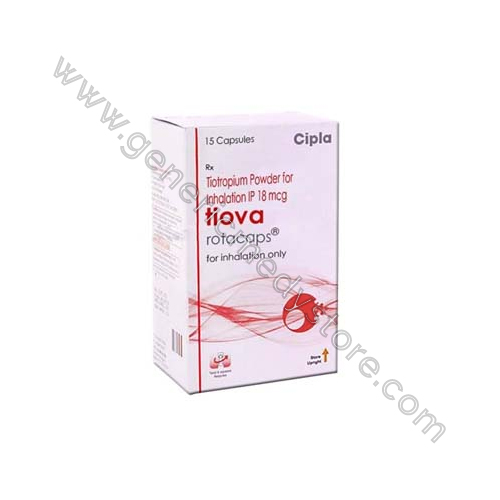
- Long-acting muscarinic antagonists (LAMA): tiotropium, glycopyrrolate (glycopyrronium) and umeclidinium are a mainstay of COPD treatment. In asthma, a LAMA is an add-on for some people whose symptoms stay uncontrolled on a steroid and a LABA. Our Tiova vs Spiriva guide explains how tiotropium is used.
Many people use combination inhalers. Budesonide/formoterol, for instance, is used for both asthma and COPD; Foracort Inhaler contains the same two active ingredients as Symbicort and is made and licensed in India. Our guide to asthma inhaler types explains how relievers and preventers fit together, and you can browse our asthma medicines and COPD medicines. Your doctor should choose the medicine, strength and device for you.
People with COPD also often benefit from pulmonary rehabilitation, a supervised program of exercise and breathing education.
Why does quitting smoking matter for both?
For anyone with COPD who smokes, stopping is the single most important step. It slows the loss of lung function, and it is worth doing at any age and any stage of the disease.
For asthma, tobacco smoke is a common trigger, and smoking makes asthma harder to control. Nicotine replacement, prescription stop-smoking medicines such as varenicline or bupropion, and counseling all raise your chances of quitting. In the US, the free quitline at 1-800-QUIT-NOW can connect you with support in your state.
When to see a doctor
Book an appointment if you have a cough that will not go away, regular wheezing, breathlessness during everyday activities or frequent chest infections, especially if you are over 35 and smoke or used to. If you already have asthma or COPD, see your doctor if you need your reliever more often than usual or symptoms wake you at night.
Call 911 or go to the emergency room if:
- You are too breathless to speak in full sentences, eat or sleep.
- Your reliever is not helping, or you need it every few minutes.
- Your lips or fingernails look gray or blue.
- You feel confused, very drowsy or have chest pain.
With COPD, contact your doctor the same day if you become more breathless than usual, cough up more phlegm or phlegm that changes color, or develop a fever.
Frequently asked questions
Can asthma turn into COPD?
Asthma does not simply turn into COPD. However, long-standing asthma, especially if poorly controlled or combined with smoking, can leave narrowing that no longer fully reverses, and some people end up with features of both conditions.
Is COPD worse than asthma?
COPD causes permanent damage that tends to get worse over time, while asthma can usually be well controlled. Even so, a severe asthma attack can be life-threatening, so both conditions need regular treatment and follow-up.
Can the same inhaler treat both asthma and COPD?
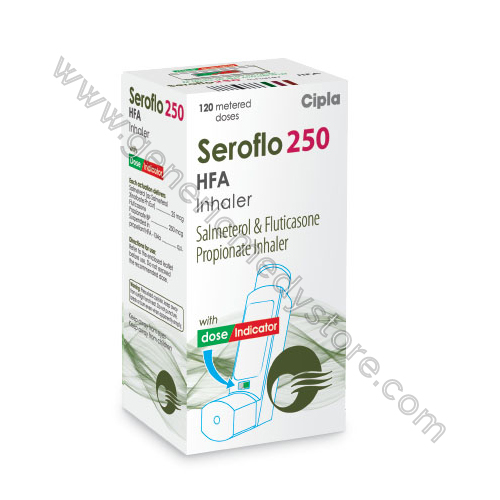
Some combination inhalers, such as budesonide/formoterol and fluticasone/salmeterol, are used for both. The strength, dose and way they are used can differ, so follow the plan your doctor gives you for your diagnosis.
Can you get COPD if you never smoked?
Yes, although it is less common. Long-term exposure to dust or fumes at work and the inherited condition alpha-1 antitrypsin deficiency can also cause COPD.
This article gives general information only and is not medical advice. Asthma and COPD need a proper diagnosis from a doctor, and prescription medicines should be used under a doctor’s care.