Ordered before 17:30, shipped today


Shop prescription eye medicines from Sun Pharmaceutical (Careprost, Careprost Plus), Allergan (Alphagan), Cipla (Ciplox Eye Drops) and Alembic (Azithral Eye Ointment). The range covers antibiotic drops and ointment for bacterial eye infections, pressure-lowering drops for glaucoma and ocular hypertension, and bimatoprost 0.03% solutions used to grow longer, fuller eyelashes. Always have a new or painful eye problem checked first.
Read moreShowing 1–12 of 15 results
Active Filters:
Clear Filters
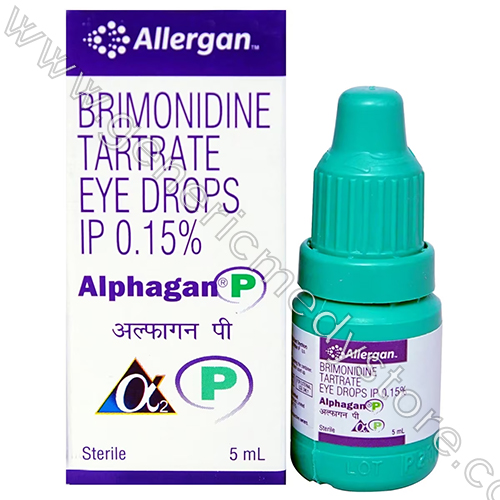
Alphagan Eye Drop
Starting at just $18.00Add to Cart This product has multiple variants. The options may be chosen on the product pageAzithral Eye Ointment
Starting at just $10.00Add to Cart This product has multiple variants. The options may be chosen on the product pageAzithral Eye Ointment
Starting at just $10.00Add to Cart This product has multiple variants. The options may be chosen on the product pageCareprost
Starting at just $70.00Add to Cart This product has multiple variants. The options may be chosen on the product pageCareprost 3ml
Starting at just $70.00Add to Cart This product has multiple variants. The options may be chosen on the product pageCareprost 3ml with Brush
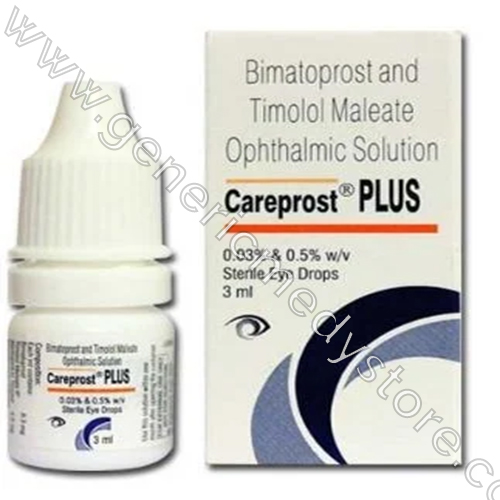
Starting at just $73.00Add to Cart This product has multiple variants. The options may be chosen on the product pageCareprost Plus
Starting at just $25.00Add to Cart This product has multiple variants. The options may be chosen on the product pageCiplox
Starting at just $4.00Add to Cart This product has multiple variants. The options may be chosen on the product pageCiplox D
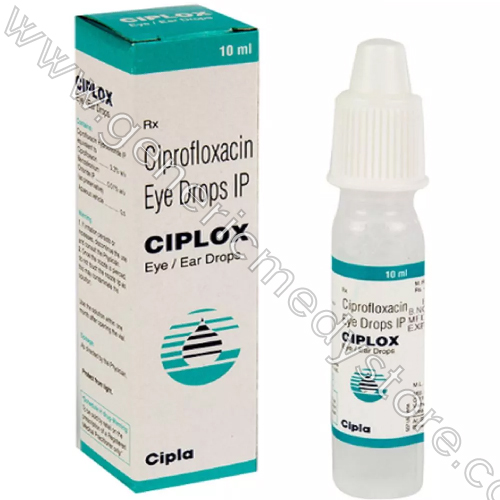
Starting at just $13.00Add to Cart This product has multiple variants. The options may be chosen on the product pageCiplox Eye Drops
Starting at just $4.00Add to Cart This product has multiple variants. The options may be chosen on the product pageCiplox TZ
Starting at just $18.50Add to Cart This product has multiple variants. The options may be chosen on the product pageGeneric latisse
Starting at just $48.00Add to Cart This product has multiple variants. The options may be chosen on the product page




Eye Care Medicines: Finding the Right Treatment
The products in our eye care range fall into three groups: antibiotics for bacterial eye infections, drops that lower the pressure inside the eye, and bimatoprost solutions for sparse eyelashes. Each group works in a different way and suits a different problem, so the most important step is getting the right diagnosis. A red, sore or sticky eye can have many causes, and some of them need a proper eye examination rather than a bottle of drops.
Antibiotic Drops and Ointments for Eye Infections
Bacterial conjunctivitis usually causes a red, gritty eye with thick yellow or green discharge, and the lids may be stuck together on waking. It often settles on its own within a week or so, but an antibiotic can shorten the illness and reduce the chance of passing it on. Two other common types look similar but do not respond to antibiotics: viral conjunctivitis, which tends to be watery and often follows a cold, and allergic conjunctivitis, which is itchy and usually affects both eyes.
- Ciprofloxacin eye drops, such as Ciplox Eye Drops, belong to the fluoroquinolone family and are used for bacterial conjunctivitis and some infections of the cornea.
- Azithromycin eye preparations, such as Azithral Eye Ointment and Zaha Eye Drop, typically need fewer applications per day than older antibiotics. Ointment blurs vision for a short while, so many people apply it at bedtime.
- Antibiotic-plus-steroid drops, such as Ciplox D (ciprofloxacin with dexamethasone), should only be used when a doctor has examined the eye and prescribed them. A steroid can make some infections far worse, particularly herpes simplex and fungal infections, and it can raise eye pressure or contribute to cataract if used for long.
Use antibiotic eye treatment for as long as prescribed, and go back to your doctor if the eye is not improving after two to three days. Wash your hands often and don't share towels or pillows while the infection lasts.
Drops for Glaucoma and Raised Eye Pressure
Glaucoma damages the optic nerve, most often because the fluid pressure inside the eye is too high. Ocular hypertension means the pressure is raised but the nerve is still healthy. Both are managed by bringing the pressure down, usually with daily drops that are used long-term.
| Medicine type | How it lowers pressure | Examples |
|---|---|---|
| Prostaglandin analogue (bimatoprost 0.03%) | Helps fluid drain out of the eye; one drop once daily in the evening | Careprost, Generic latisse 3ml |
| Prostaglandin plus beta-blocker (bimatoprost/timolol) | Improves drainage and reduces fluid production; once daily | Careprost Plus |
| Alpha-2 agonist (brimonidine) | Reduces fluid production and aids drainage; usually two or three times a day | Alphagan Eye Drop |
Timolol, the beta-blocker in Careprost Plus, can be absorbed into the body and is generally unsuitable for people with asthma, severe lung disease, a slow heart rate or certain heart rhythm problems. Brimonidine must not be used in babies and young children. To learn more about each option, visit our glaucoma and ocular hypertension sections.
Bimatoprost for Eyelash Growth
Longer, darker lashes were first noticed as a side effect in people using bimatoprost for glaucoma. Applied at a strength of 0.03% to the upper lash line once each night with a sterile applicator, it can make lashes longer, thicker and darker over roughly 8 to 16 weeks, and the effect gradually fades after stopping. Products used this way include Careprost 3ml with Brush and Generic Latisse 5ml. Our eyelash section explains application and safety in detail, and you can also read our blog post on Careprost for eyelash growth.
How to Use Eye Drops Correctly
Good technique means more medicine reaches the eye and less is wasted or absorbed into the rest of the body.
- Wash your hands and take out contact lenses.
- Tilt your head back and gently pull the lower lid down to form a small pocket.
- Look up and squeeze one drop into the pocket. Don't let the dropper tip touch your eye, lashes, fingers or any other surface.
- Close the eye gently for one to two minutes and press lightly on the inner corner, next to the nose. This keeps the drop in the eye for longer and reduces side effects elsewhere in the body.
- Blot any overflow from the cheek with a clean tissue.
- If you use more than one type of drop, wait at least 5 minutes between them. Apply any eye ointment last.
- Wait about 15 minutes before putting contact lenses back in, unless the leaflet says otherwise.
Never share eye drops. Replace the cap straight after use, and check the pack for how long the bottle can be used once opened, which is often four weeks.
When to See an Eye Doctor Urgently
Some eye symptoms can signal a sight-threatening problem. Get same-day medical help, rather than treating yourself, if you notice:
- Moderate or severe eye pain, or a red eye with headache, nausea or rings of light around lamps
- Any sudden blurring or loss of vision, new floaters, flashing lights or a shadow across your sight
- Discomfort in bright light
- An injury to the eye, something stuck in it, or a chemical splash (rinse with plenty of clean water straight away)
- A red, painful eye while wearing contact lenses
- Sticky or red eyes in a newborn baby
Storage
Keep eye drops and ointments at room temperature (below 77–86°F (25–30°C) unless the pack says otherwise), away from direct sunlight, and out of the reach of children. Throw away any product that has passed its expiry date or its use-by period after opening.
Frequently Asked Questions
Does every red eye need antibiotic drops?
No. Many red eyes are caused by viruses, allergy, dryness or irritation, and antibiotics will not help these. A pharmacist, optometrist or doctor can help work out the cause.
Can I use Ciplox D for any eye infection?
Only if a doctor has examined your eye and prescribed it. Because it contains a steroid, using it on an undiagnosed red eye can worsen certain infections or raise eye pressure.
Is Careprost the same as Latisse?
Both contain bimatoprost at 0.03%. Latisse is the original US brand for eyelash growth, while Careprost is made in India by Sun Pharmaceutical and is mainly prescribed for eye pressure. They may differ in inactive ingredients and packaging.
Can I wear contact lenses during treatment?
Remove lenses before using most drops, as some preservatives can be absorbed by soft lenses. Avoid wearing lenses at all while you have an eye infection.
This page offers general information only and is not a substitute for an eye examination or advice from your doctor or pharmacist. The eye medicines listed here are prescription products. Check that a treatment is suitable for you before using it, especially if you have glaucoma, asthma, a heart condition or wear contact lenses.
Eye Care guides
- Careprost vs Latisse: Same Bimatoprost, What’s Different?Careprost vs Latisse: both contain bimatoprost 0.03% for longer, fuller lashes. Compare licensing, applicators, results, side effects and cost.