Ordered before 17:30, shipped today


Browse glaucoma eye drops including Careprost and Careprost Plus from Sun Pharmaceutical, plus bimatoprost solutions from Healing Pharma and Sunways India. These prescription drops lower the pressure inside the eye to help protect the optic nerve in open-angle glaucoma. Most are used once a day, every day, as part of long-term care from an eye specialist.
Read moreShowing all 8 results
Active Filters:
Clear Filters
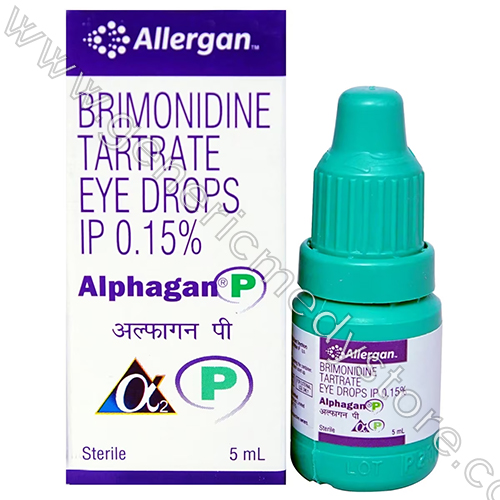
Alphagan Eye Drop
Starting at just $18.00Add to Cart This product has multiple variants. The options may be chosen on the product pageCareprost
Starting at just $70.00Add to Cart This product has multiple variants. The options may be chosen on the product pageCareprost 3ml
Starting at just $70.00Add to Cart This product has multiple variants. The options may be chosen on the product pageCareprost 3ml with Brush
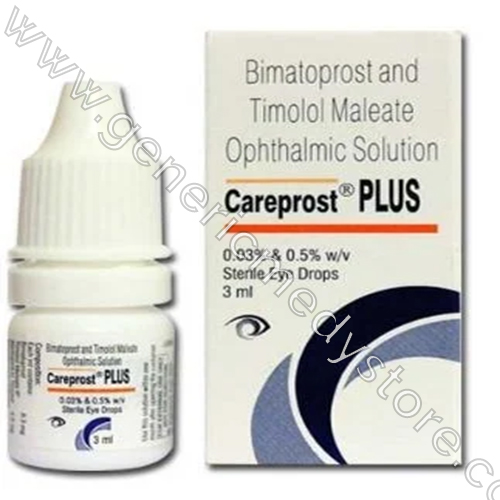
Starting at just $73.00Add to Cart This product has multiple variants. The options may be chosen on the product pageCareprost Plus
Starting at just $25.00Add to Cart This product has multiple variants. The options may be chosen on the product pageGeneric latisse
Starting at just $48.00Add to Cart This product has multiple variants. The options may be chosen on the product pageGeneric latisse 3ml
Starting at just $48.00Add to Cart This product has multiple variants. The options may be chosen on the product pageGeneric Latisse 5ml
Starting at just $50.00Add to Cart This product has multiple variants. The options may be chosen on the product page




Glaucoma Eye Drops: Protecting Your Sight
Glaucoma is a group of eye conditions in which the optic nerve, the cable that carries visual signals from the eye to the brain, is gradually damaged. It is one of the leading causes of permanent sight loss worldwide. Treatment started early can slow or halt further damage in most people, so early diagnosis and regular check-ups matter.
What Happens in Glaucoma
A clear fluid called aqueous humor constantly flows through the front of the eye and drains away through a meshwork in the angle where the iris meets the cornea. If fluid drains more slowly than it is made, the pressure inside the eye (intraocular pressure, or IOP) rises and strains the optic nerve. Some people develop nerve damage even at normal pressure, known as normal-tension glaucoma, but lowering pressure still helps them.
Open-angle glaucoma
This is the most common form. The drainage angle stays open but works less efficiently over the years. Damage develops slowly and painlessly, starting with side (peripheral) vision. Because the brain fills in the gaps, many people notice nothing until a lot of the nerve has been lost, and that vision cannot be restored.
Angle-closure glaucoma
Here the iris blocks the drainage angle. It can build up gradually, but a sudden (acute) attack is a medical emergency: severe eye pain, a red eye, blurred vision, colored rings around lights, headache, and nausea or vomiting. Go to an emergency department straight away, as sight can be lost within hours.
Who Is at Risk?
- Age over 40, with risk rising in each decade
- A parent, brother or sister with glaucoma
- African or Caribbean heritage (open-angle) or East Asian heritage (angle-closure)
- Marked short-sightedness (open-angle) or long-sightedness (angle-closure)
- Raised eye pressure or a thin cornea
- Long-term use of steroid medicines, including eye drops, inhalers and creams
- Previous eye injury, and possibly diabetes
Regular eye tests that include a pressure check and a look at the optic nerve are the main way to catch glaucoma early.
How Glaucoma Is Treated
Every treatment aims to lower eye pressure to a target set by your specialist. Drops are the usual starting point, although laser is increasingly offered first.
| Drop type | How it works | Key points | Examples |
|---|---|---|---|
| Prostaglandin analogue (bimatoprost 0.03%) | Increases fluid outflow | Often first choice; one drop once daily in the evening | Careprost, Careprost 3ml, Generic Latisse 5ml |
| Beta-blocker (timolol) | Reduces fluid production | Can slow the heart and tighten the airways | Included in Careprost Plus |
| Combination (bimatoprost + timolol) | Both actions in one bottle | Once daily; fewer drops when one medicine is not enough | Careprost Plus |
| Alpha-2 agonist (brimonidine) | Reduces production and aids outflow | Two or three times daily; may cause dry mouth, tiredness or eye allergy | Alphagan Eye Drop |
Other drop families include carbonic anhydrase inhibitors such as dorzolamide. Laser treatment (selective laser trabeculoplasty for open-angle glaucoma, or laser iridotomy to open a narrow angle) and surgery to create a new drainage route are used when drops are not enough or not suitable.
Using Bimatoprost Safely
Use one drop in each affected eye once a day, in the evening. Using it more often can make it less effective, not more. Common side effects include red eyes, itching and longer, darker lashes. Over months it can darken the skin around the eyes and, in people with mixed-color irises such as hazel or green-brown, permanently increase the brown colouring of the iris. Some people notice a slightly hollow look to the upper eyelids. Tell your specialist if you have eye inflammation (uveitis), a past herpes infection of the eye or previous cataract surgery.
Timolol-containing drops such as Careprost Plus are generally unsuitable if you have asthma, severe COPD, a very slow heart rate, heart block or uncontrolled heart failure. Brimonidine should not be used in young children or by people taking MAOI antidepressants.
Sticking With Treatment
Glaucoma drops only work while you use them. Missed doses let the pressure creep back up, usually without symptoms.
- Link your drops to a daily habit, such as brushing your teeth at night
- Set a phone reminder and order a new bottle before the old one runs out
- Report side effects instead of stopping, as another drop can often be found
- Keep every follow-up appointment, including field tests and nerve scans, even if your sight seems fine
For raised pressure without nerve damage, see our ocular hypertension page, or browse the full eye care range.
Frequently Asked Questions
Can lost vision from glaucoma come back?
No. Damage to the optic nerve is permanent. Lowering eye pressure can slow or stop further loss, so most people who stick with treatment keep useful sight for life.
Is Careprost Plus suitable if I have asthma?
Usually not. The timolol it contains can be absorbed into the bloodstream and narrow the airways. Tell your doctor about any breathing or heart condition before using it.
I use glaucoma drops. Can I use bimatoprost on my lashes too?
Only with your specialist's agreement. Adding more prostaglandin can interfere with how well your pressure-lowering treatment works.
This guide is for general information and cannot replace regular examinations and advice from your eye specialist. Glaucoma drops are prescription medicines. Never stop or change your treatment without speaking to your doctor first.
Glaucoma Eye Drops guides
- Careprost vs Latisse: Same Bimatoprost, What’s Different?Careprost vs Latisse: both contain bimatoprost 0.03% for longer, fuller lashes. Compare licensing, applicators, results, side effects and cost.