Ordered before 17:30, shipped today


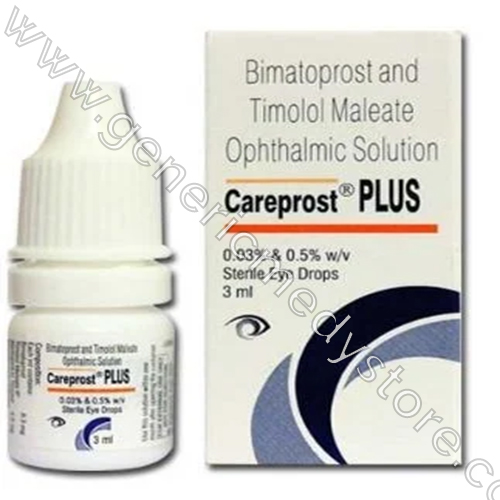
Ocular hypertension means eye pressure above the normal range without any damage to the optic nerve. Browse pressure-lowering drops such as Careprost and Careprost Plus from Sun Pharmaceutical, and bimatoprost from Healing Pharma and Sunways India. Treatment is prescribed after a full eye examination, for people whose risk of developing glaucoma is high enough to justify it.
Read moreShowing all 7 results
Active Filters:
Clear Filters
Careprost
Starting at just $70.00Add to Cart This product has multiple variants. The options may be chosen on the product pageCareprost 3ml
Starting at just $70.00Add to Cart This product has multiple variants. The options may be chosen on the product pageCareprost 3ml with Brush
Starting at just $73.00Add to Cart This product has multiple variants. The options may be chosen on the product pageCareprost Plus
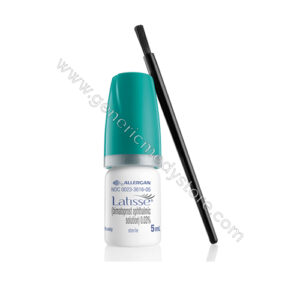
Starting at just $25.00Add to Cart This product has multiple variants. The options may be chosen on the product pageGeneric latisse
Starting at just $48.00Add to Cart This product has multiple variants. The options may be chosen on the product pageGeneric latisse 3ml
Starting at just $48.00Add to Cart This product has multiple variants. The options may be chosen on the product pageGeneric Latisse 5ml
Starting at just $50.00Add to Cart This product has multiple variants. The options may be chosen on the product page




Ocular Hypertension: Understanding High Eye Pressure
Being told your eye pressure is high can be unsettling, but ocular hypertension (OHT) is not the same as glaucoma. It means the pressure inside the eye is higher than usual while the optic nerve and field of vision are still healthy. Many people with OHT never develop glaucoma. Some do, and the purpose of monitoring, and treatment where needed, is to spot and protect those people early.
How Eye Pressure Is Measured
Eye pressure is checked with a test called tonometry and recorded in millimetres of mercury (mmHg). Common methods include:
- Goldmann applanation tonometry: the reference method, in which a small probe gently touches the surface of the numbed eye
- Non-contact ("air puff") tonometry: a quick screening test often used by opticians
- Rebound tonometry: a hand-held device with a tiny, very light probe that needs no numbing drops
Normal eye pressure is roughly 10–21 mmHg. OHT is usually diagnosed when readings are consistently above 21 mmHg on separate visits, while the optic nerve looks healthy and a visual field test is normal.
A single reading can mislead for two reasons. First, pressure varies through the day and is often highest in the early morning. Second, corneal thickness affects the result: a thick cornea can make pressure read falsely high, while a thin one can hide raised pressure. Specialists measure corneal thickness with a quick test called pachymetry, and a thin cornea is itself linked to a higher chance of developing glaucoma.
Who Needs Treatment?
The decision is based on your overall risk, not on one number. In a large long-term study, lowering eye pressure by about 20% roughly halved the proportion of people with OHT who developed glaucoma over five years, from about 1 in 10 to fewer than 1 in 20. That also means most untreated people did not develop it, which is why treatment is targeted. Specialists weigh up:
- How high the pressure is (several guidelines suggest treating from around 24 mmHg upwards)
- Corneal thickness
- Age
- The appearance of the optic nerve, such as a larger central "cup"
- Family history of glaucoma and ethnic background
People at lower risk are often monitored without treatment.
How Often You Will Be Checked
Your specialist will set the exact timing, but as a general guide:
- After starting or changing drops or laser, pressure is rechecked within weeks to a few months to confirm it is working.
- Once pressure is stable at target, reviews every 6 to 18 months are typical, with visual field tests and optic nerve scans.
- Lower-risk people who are not treated may only need checks every one to two years.
Missed appointments are the main way early changes go unnoticed, so keep every review.
Treatment Options
If treatment is advised, the aim is to bring pressure down to a personal target using the same options as early glaucoma:
- Prostaglandin analogue drops, usually the first choice. Bimatoprost is used as one drop each evening, for example Careprost 3ml or Generic latisse.
- Combination drops when one medicine is not enough, such as Careprost Plus (bimatoprost with timolol). It is not usually suitable for people with asthma or certain heart conditions.
- Brimonidine as an alternative or add-on, such as Alphagan Eye Drop.
- Selective laser trabeculoplasty (SLT), a brief outpatient laser treatment that can reduce or remove the need for daily drops.
For side effects of each medicine and the difference between open-angle and angle-closure disease, read our glaucoma guide.
Everyday Habits That Help
No lifestyle change replaces treatment, but these steps are sensible:
- Regular moderate exercise, such as brisk walking, may lower eye pressure slightly.
- Head-down yoga poses and heavy lifting while holding your breath can raise pressure briefly. Ask your specialist if you do these often.
- Tell every doctor you see that you have OHT. Steroid medicines, including eye drops, inhalers, nasal sprays and creams used near the eyes, can push pressure up in some people.
- Spread drinks through the day rather than drinking a large volume at once.
- Don't smoke, and keep blood pressure and diabetes well controlled.
Frequently Asked Questions
Will ocular hypertension make me lose my sight?
Most people with OHT keep normal vision. A minority go on to develop glaucoma, which is why monitoring matters. Caught early, glaucoma can usually be controlled.
Can I feel high eye pressure?
Usually not. OHT causes no pain or visual symptoms and is normally found at a routine eye test. Sudden eye pain with redness, blurred vision and haloes is different: it may be acute angle-closure glaucoma and needs emergency care.
If I start drops, will I need them for life?
Often for many years, but not necessarily forever. Your specialist may adjust or stop treatment if your risk changes, or suggest laser instead.
The content on this page is general guidance and does not replace a full eye examination or personal advice from an optometrist or ophthalmologist. Pressure-lowering eye drops are prescription medicines, so use them only as your eye specialist directs.
Ocular Hypertension guides
- Careprost vs Latisse: Same Bimatoprost, What’s Different?Careprost vs Latisse: both contain bimatoprost 0.03% for longer, fuller lashes. Compare licensing, applicators, results, side effects and cost.