

Melasma and sun spots are both flat brown marks, but they look and behave differently. Melasma usually forms larger, blotchy patches that mirror each other on both sides of the face, and it is driven by hormones plus sunlight. Sun spots are separate spots on skin that has had years of sun. Both can be lightened with prescription creams and both call for daily sun protection, but melasma tends to come back, so it needs a longer-term plan.
What does melasma look like compared with sun spots?
Melasma shows up as patches darker than your natural skin tone. They can be tan, brown, grayish brown or even bluish gray, and they usually appear on the cheeks, forehead, chin and above the upper lip. A telltale sign is symmetry: the patches often match on both sides of the face. Less often, melasma appears on the arms or neck. It is flat, not contagious and not a type of cancer.
Sun spots are also called age spots, liver spots or solar lentigines, though they have nothing to do with your liver. They are flat, painless spots from light brown to black, found where skin has had the most sun: the backs of the hands, the face and forehead, the forearms and the shoulders. Instead of one large patch, you tend to see a scattering of separate spots.
Melasma vs sun spots at a glance
| Melasma | Sun spots | |
|---|---|---|
| Typical look | Blotchy patches, often matching on both sides of the face | Individual flat spots, light brown to black |
| Common places | Cheeks, forehead, chin, above the upper lip | Backs of the hands, face, forehead, forearms, shoulders |
| Main drivers | Hormones, sunlight and family history | Years of sun or other UV exposure |
| Who gets it most | Mostly women, especially those with medium to dark skin tones | Adults with a lot of past sun; very common after age 50 |
| Over time | Often more noticeable in summer, less in winter | A permanent change unless treated |
| Outlook | Fades with treatment but often returns | Harmless; treatment is optional and cosmetic |
Why does melasma happen? Hormones and sunlight
Melasma is closely tied to hormones. According to the American Academy of Dermatology (AAD), rising estrogen and progesterone during pregnancy are thought to trigger it, and birth control pills can set it off in some people too. Melasma is much more common in women than in men, and it is so common in pregnancy that it is sometimes called the “mask of pregnancy.”
Sunlight is the other key piece. Sun exposure tells pigment cells to make more melanin, which is why melasma appears on sun-exposed skin and often darkens in summer. Other risk factors include:
- A blood relative with melasma
- A thyroid problem; treating it sometimes clears melasma
- Medicines that make skin more sensitive to sunlight, such as retinoids and some antibiotics and blood pressure medicines
- Some anti-seizure medicines
The good news: melasma may fade on its own after pregnancy or after stopping birth control pills.
What causes sun spots?
Sun spots are mainly the result of ultraviolet (UV) light, from the sun or other sources, adding up over many years, although some have no known cause. As MedlinePlus explains, they are very common after age 50, they are not dangerous, and they usually need no treatment.
Does skin type change the picture?
Yes. Melasma develops more often in medium to dark skin tones, and skin tone also affects treatment:
- Some treatments can irritate darker skin, and that irritation can make melasma darker, so dermatologists take extra care.
- Hydroquinone can cause exogenous ochronosis, a gradual blue-black darkening of the skin. The US triple-cream label notes most cases were in Black patients, though it has also occurred in white and Hispanic patients.
- Azelaic acid has been linked to isolated cases of unwanted skin lightening, and its label advises watching for this in people with dark complexions.
How are melasma and sun spots treated?
Sun spots can often be lightened or removed, while melasma is managed over time. The AAD’s melasma treatment guide says results usually take 3 to 12 months, and longer if melasma has been there for years.
Sun protection comes first
Use a broad-spectrum sunscreen with SPF 30 or higher every day, add a wide-brimmed hat, and seek shade. Dermatologists often recommend sunscreens with zinc oxide, titanium dioxide or iron oxide, and a tinted formula helps if a white cast puts you off. Without steady protection, melasma commonly returns. The labels for hydroquinone and tretinoin products also call for sunscreen and protective clothing during treatment.
Hydroquinone
Hydroquinone lightens dark skin by slowing pigment production, and it is used for both melasma and sun spots. In the US it is now available only with a prescription. A US prescription label for a 4% cream directs rubbing it in well twice a day, in the morning and before bedtime, and says it is not for children 12 and under. Test it first on a small patch of unbroken skin and check within 24 hours. If there is no improvement after 2 months, stop. Eukroma cream contains hydroquinone and is made and licensed in India.
Triple combination cream
A triple cream combines hydroquinone, tretinoin and a mild corticosteroid. The US product, Tri-Luma, is labeled for short-term treatment of moderate to severe melasma of the face, together with sunscreen and sun avoidance. A thin film goes on once a day, at least 30 minutes before bedtime, over the dark patches plus about half an inch of surrounding skin. It is not meant for long-term maintenance; the label says to stop once the melasma is under control.
Common side effects include redness, peeling, burning, dryness, itching and acne. The US cream contains a sulfite, which can cause serious allergic reactions in sensitive people, including life-threatening asthma attacks. Its steroid can also affect the body’s own stress-hormone system, one more reason to use it only where and for as long as prescribed. Melacare cream (hydroquinone, tretinoin and mometasone) is a triple combination made and licensed in India, from $8. Our melasma treatment guide explains these creams in more detail.

Tretinoin
For melasma, dermatologists may pair this prescription retinoid with a mild steroid or use it inside a triple cream. For sun-related blotchy pigment, a US tretinoin 0.05% emollient cream is labeled to help lessen mottled hyperpigmentation of the face, applied once each evening, with effects taking up to six months. Its label notes benefit was not established in people over 50 or with moderately to heavily pigmented skin. Dryness and peeling are common.
Azelaic acid
Azelaic acid is one of the gentler melasma options the AAD lists. In the US, azelaic acid 20% cream is labeled for acne and applied twice a day, so using it for melasma is a decision to make with your doctor. Aziderm 20 cream contains azelaic acid and is made and licensed in India.
Other options a dermatologist may offer
- For melasma: tranexamic acid tablets for hard-to-treat cases (tell your dermatologist if you have ever had a blood clot), chemical peels, microneedling, and laser or light treatments added to creams and sun protection.
- For sun spots: bleaching creams, freezing (cryotherapy), laser treatment or intense pulsed light.
Procedures should be done by a board-certified dermatologist. Getting the diagnosis right matters, because some treatments irritate the skin, and in darker skin that irritation can make melasma worse.
When should you have a spot checked?
Most flat brown marks are harmless, but if a spot looks irregular or unusual, a small skin sample (biopsy) can check for melanoma. See a dermatologist promptly if a spot shows any ABCDE warning sign:
- Asymmetry: one half does not match the other
- Border: jagged, uneven or blurry edges
- Color: several shades, or patches of white, red or blue
- Diameter: often larger than a pencil eraser (about 6 mm), though melanomas can be smaller
- Evolving: a change in size, shape or color, or a spot that looks different from the others
Also get checked if a spot itches or bleeds, if you are unsure whether it is melasma or sun spots, if a fading cream is not helping, or if your skin turns blue-black or very irritated during treatment. Seek urgent care for face or lip swelling or trouble breathing after a new cream.
Frequently asked questions
Can melasma turn into skin cancer?
No. Melasma is not a type of cancer. Sun spots are harmless too, but any spot that changes, bleeds or looks unusual should be checked by a dermatologist.
Do sun spots go away on their own?
Usually not. Sun spots are a permanent but harmless change in the skin. Bleaching creams, freezing, laser or light treatments can lighten or remove them if they bother you. Browse our dark spot treatments to see the creams available.
Is melasma permanent?
Not always. It may fade after pregnancy or after stopping birth control pills. Treatment can fade it, but it cannot cure it for good, and it often returns with sun exposure.
Can I treat melasma while pregnant?
Dermatologists usually suggest waiting until after delivery, since melasma may improve on its own. The hydroquinone label says to use it in pregnancy only if clearly needed. Tretinoin labels range from using it only if the benefit justifies the risk to the baby to not using it in pregnancy at all. Focus on sunscreen and a hat, and ask your doctor.
This article gives general information only and is not medical advice. Prescription medicines such as hydroquinone, tretinoin and triple combination creams should be used under a doctor’s care. See a dermatologist about any spot that is new, changing or unusual.
Shop the products in this article


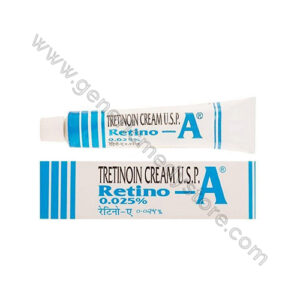
Browse all Melasma Treatment Creams products →
Prescription medicines: check with your doctor or pharmacist that a treatment is right for you before ordering.