Ordered before 17:30, shipped today


Shop melasma creams including Melacare from Ajanta, A Ret HC from Menarini, Eukroma from Yash Pharma and Magnalyte from Anhox. The range covers hydroquinone-only creams and triple-combination formulas prescribed to fade the brown or grey-brown facial patches of melasma, used together with daily sun protection to stop results slipping.
Read moreShowing all 11 results
Active Filters:
Clear Filters
A Ret HC Creams
Starting at just $10.00Add to Cart This product has multiple variants. The options may be chosen on the product pageEukroma Cream
Starting at just $5.00Add to Cart This product has multiple variants. The options may be chosen on the product pageEukroma Cream 20gm
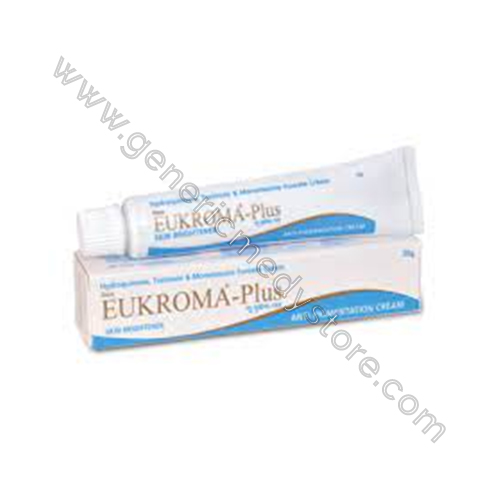
Starting at just $5.00Add to Cart This product has multiple variants. The options may be chosen on the product pageEukroma Plus Cream 20gm
Starting at just $8.00Add to Cart This product has multiple variants. The options may be chosen on the product pageMagnalyte Cream
Starting at just $8.00Add to Cart This product has multiple variants. The options may be chosen on the product pageMagnalyte Cream 15gm
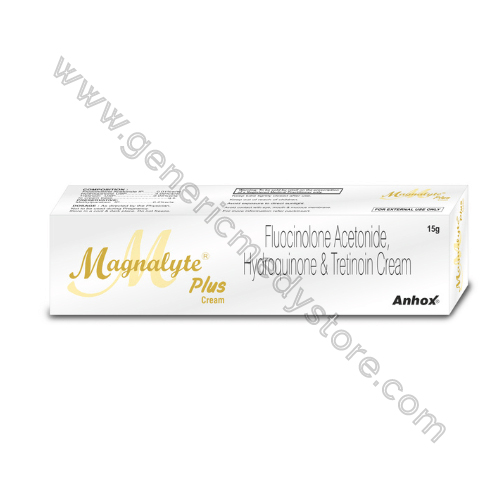
Starting at just $8.00Add to Cart This product has multiple variants. The options may be chosen on the product pageMagnalyte Plus Cream
Starting at just $8.00Add to Cart This product has multiple variants. The options may be chosen on the product pageMelacare Cream
Starting at just $8.00Add to Cart This product has multiple variants. The options may be chosen on the product pageMelalite Forte Cream
Starting at just $5.00Add to Cart This product has multiple variants. The options may be chosen on the product pageMelanorm Cream
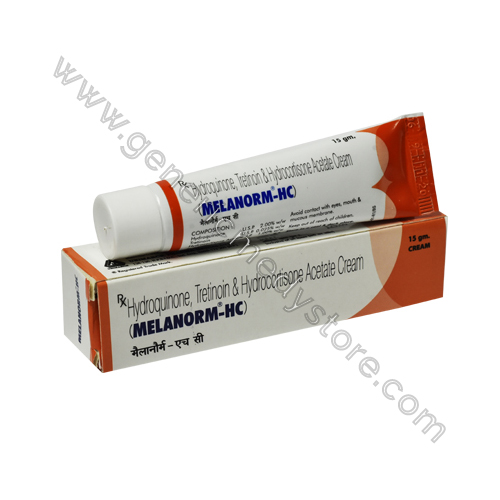
Starting at just $5.00Add to Cart This product has multiple variants. The options may be chosen on the product pageMelanorm-HC Cream
Starting at just $6.00Add to Cart This product has multiple variants. The options may be chosen on the product page






Melasma: Types, Triggers and Long-Term Control
Melasma causes brown or gray-brown patches on sun-exposed areas of the face, most often the cheeks, forehead, nose, upper lip and chin, usually in a mirror-image pattern on both sides. It is far more common in women, especially those with medium to darker skin, and often begins between the ages of 20 and 40. It is harmless and not contagious, but stubborn. Treating it as a long-term condition to manage, rather than a one-off blemish, gives longer-lasting results.
Types of Melasma
How deep the extra pigment sits affects how well creams can reach it.
| Type | Where the pigment is | Typical appearance | Response to creams |
|---|---|---|---|
| Epidermal | Upper layer of skin | Light to dark brown, sharp edges | Usually the best |
| Dermal | Deeper layer, held inside scavenger cells | Blue-gray or ashen, blurred edges | Slow and often limited |
| Mixed | Both layers | Brown and gray areas together | Partial; surface pigment fades first |
Mixed melasma is the most common form. Patches are also described by location: centrofacial (forehead, cheeks, nose and upper lip), malar (cheeks and nose) or mandibular (along the jaw). Occasionally the forearms are affected.
How Melasma Is Diagnosed
Melasma is usually recognized by its appearance, sometimes checked under a Wood's lamp (an ultraviolet light that highlights surface pigment) or a dermatoscope to judge its depth. Other conditions can look similar, including dark marks after acne or eczema, sun spots, medicine-related pigmentation, Hori's naevus, and exogenous ochronosis, a blue-black darkening caused by long-term hydroquinone use. Some respond poorly to, or even worsen with, melasma creams, so a proper diagnosis first is worthwhile.
Why Melasma Keeps Coming Back
- Pigment cells stay primed. Treatment quietens overactive melanocytes but does not permanently reset them.
- Light and heat. Ultraviolet rays, visible light (including sunlight through windows) and heat can all restart pigment production. One unprotected day outdoors can undo weeks of progress.
- Hormones. Pregnancy, combined contraceptive pills and hormone replacement therapy are well-known triggers.
- Changes deeper in the skin. Affected skin often has extra small blood vessels and sun damage that keep stimulating pigment cells.
Building a Long-Term Routine
Clearing phase
A doctor may prescribe a hydroquinone or triple-combination cream for a fixed period, commonly around 8 weeks for triple-combination creams and up to 3–4 months for hydroquinone alone, followed by a review. It is applied thinly to the patches, usually at night.
Maintenance phase
Once patches have faded, the aim is to keep them that way without steroids or continuous hydroquinone. Options include azelaic acid (such as Aziderm 20% Cream), a topical retinoid, or an intermittent schedule agreed with your doctor. Maintenance usually continues all year.
Every day
Apply a broad-spectrum SPF 50 sunscreen each morning, ideally a tinted formula with iron oxides, which also blocks visible light. Reapply every two hours outdoors and wear a wide-brimmed hat. Avoid scrubs, waxing over patches and unregulated "fairness" creams.
Stubborn cases may call for specialist options such as oral tranexamic acid, peels or laser, some of which can worsen pigment in darker skin if done incorrectly.
Comparing Melasma Creams in This Section
| Cream type | Active ingredients | Examples | Points to note |
|---|---|---|---|
| Hydroquinone only | Hydroquinone | Eukroma Cream, Melalite Forte Cream, Melanorm Cream | Steady fading; used in courses with breaks |
| Triple combination with fluocinolone | Hydroquinone, tretinoin, fluocinolone acetonide | Magnalyte Cream, Magnalyte Plus Cream | The classic three-part formula for moderate to severe melasma |
| Triple combination with mometasone | Hydroquinone, tretinoin, mometasone | Melacare Cream | Stronger steroid, so time limits matter even more |
| Triple combination with hydrocortisone | Hydroquinone, tretinoin, hydrocortisone | A Ret HC Creams, Melanorm-HC Cream | Milder steroid, but still a supervised, time-limited course |
No triple-combination cream is suitable for continuous long-term use, because the steroid can thin facial skin and cause redness and visible blood vessels. For how these creams work and how to apply them, read our melasma treatment guide. Dark patches with other causes are covered in our hyperpigmentation section.
Melasma and Pregnancy
Melasma often appears or darkens in pregnancy, when it is sometimes called chloasma or the "mask of pregnancy". It frequently fades in the months after birth, though it can persist.
- Tretinoin-containing and triple-combination creams should not be used in pregnancy, and hydroquinone is generally avoided because some is absorbed through the skin.
- Strict sun protection is the safest and most useful step; mineral, tinted sunscreens are a good choice.
- Azelaic acid may be considered if your doctor agrees.
- If breastfeeding or planning a pregnancy, check with a doctor before using any melasma cream.
- If melasma began after starting a combined contraceptive pill, it may be worth discussing other contraception.
Frequently Asked Questions
Can melasma go away for good?
Some cases, particularly those linked to pregnancy, fade and do not return. For many people it is long-term, but it can usually be kept well controlled with maintenance treatment and consistent sun protection.
Can I keep using a triple-combination cream once my skin clears?
Not usually. These creams contain a steroid and are meant for short courses. Ask your doctor about switching to a steroid-free maintenance treatment.
This content is for general information and does not replace a consultation with a dermatologist, doctor or pharmacist. Melasma creams containing hydroquinone, tretinoin or a steroid are prescription medicines and should be used only as directed, and not during pregnancy unless a doctor specifically advises it.
Melasma Treatment Creams guides
- Melasma Treatment: How Hydroquinone and Triple Combination Creams WorkWhat causes melasma and how to treat it: sun protection, hydroquinone, triple combination creams and maintenance tips to stop dark patches returning.