

Tretinoin is one of the most effective and well-studied topical treatments for acne. Dermatologists have prescribed it for over 50 years. It can clear blackheads and whiteheads, reduce breakouts, and even improve post-acne marks and fine lines. It also has a reputation for causing dryness and peeling in the first few weeks, which is why so many people give up too early. This guide explains how tretinoin for acne works, which strength to start with, and how to use it for the best results with the least irritation.
What Is Tretinoin?
Tretinoin (also known as all-trans retinoic acid) is a topical retinoid, a form of vitamin A applied directly to the skin. It is available as a cream or gel on prescription, and is sold under brand names such as Retin-A, as well as generics like Tretinoin cream and Tretoin gel.
How Tretinoin Treats Acne
Acne starts when dead skin cells and oil block a pore, forming a microcomedone that can become a blackhead, whitehead or inflamed spot. Tretinoin works on this root cause:
- Speeds up skin cell turnover, so dead cells don’t build up and clog pores
- Unblocks existing comedones (blackheads and whiteheads)
- Prevents new blockages from forming
- Reduces inflammation and helps other acne treatments penetrate better
- Fades dark marks left by old spots and improves skin texture over time
Which Tretinoin Strength Should You Use?
| Strength | Best for |
|---|---|
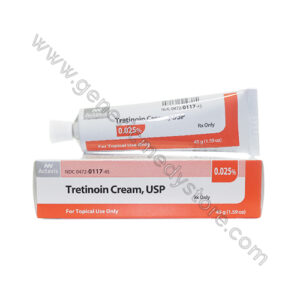
| 0.025% cream | Beginners, sensitive or dry skin, mild acne |
| 0.05% cream | Moderate acne, or after tolerating 0.025% well |
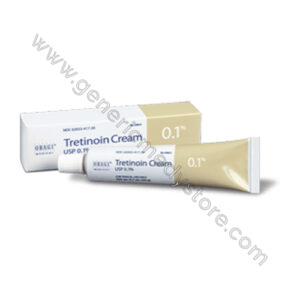
| 0.1% cream / gel | Oily, resilient skin and more stubborn acne, usually once lower strengths are tolerated |
Creams are generally more moisturizing and gentler. Gels suit oilier skin but can feel more drying. Most dermatologists recommend starting low and increasing gradually. A higher strength isn’t necessarily better if it leaves your skin too irritated to use consistently.
How to Use Tretinoin: Step by Step
- Apply at night only. Tretinoin breaks down in sunlight and makes skin more sun-sensitive.
- Cleanse gently with a mild, non-foaming cleanser and pat dry.
- Wait 20–30 minutes until your skin is completely dry. Applying to damp skin increases irritation.
- Use a pea-sized amount for your whole face. Dot it on the forehead, cheeks and chin, then spread thinly. More is not better.
- Avoid sensitive areas: the corners of the nose, the eyes and the lips.
- Moisturize with a simple, fragrance-free moisturizer, before or after tretinoin.
- Use sunscreen every morning: broad-spectrum SPF 30 or higher, even on cloudy days.
Start with two or three nights a week, then increase to every other night and eventually nightly as your skin adjusts.
What to Expect: The Tretinoin Timeline
- Weeks 1–4: Dryness, flaking, redness and mild stinging are common while the skin adjusts (sometimes called “retinisation”). Some people get a temporary flare of breakouts as clogged pores come to the surface (“purging”).
- Weeks 6–8: Irritation usually settles and fewer new spots appear.
- Weeks 12 and beyond: Clearer skin, fewer blackheads and faded marks. Full results can take 3–6 months.
Patience is the key to success. Most people who say tretinoin “didn’t work” stopped before the 12-week mark.
What Not to Combine With Tretinoin
- Harsh scrubs, exfoliating acids (AHA/BHA) and toners with alcohol. These can seriously increase irritation.
- Benzoyl peroxide at the same time. It can break down some tretinoin formulas. If both are prescribed, use benzoyl peroxide in the morning and tretinoin at night.
- Waxing on treated skin. It can lift the skin.
Who Should Not Use Tretinoin
Avoid tretinoin if you are pregnant, trying to conceive or breastfeeding, unless a doctor specifically advises otherwise. Don’t apply it to sunburned, broken or eczema-affected skin. Other prescription retinoids such as tazarotene (Tazret gel) must also be avoided in pregnancy.
What If Tretinoin Isn’t Enough?
For moderate acne, doctors often combine tretinoin with a topical antibiotic or benzoyl peroxide. Azelaic acid (such as Aziderm 20% cream) is a gentler alternative that also helps with dark marks. Severe, scarring or cystic acne may need oral treatment such as isotretinoin. That medicine requires specialist supervision, regular monitoring and strict pregnancy prevention, so it should only be started by a dermatologist.
Frequently Asked Questions
Can I use tretinoin every night from the start?
Most people can’t without significant irritation. Starting two or three nights a week and building up is far more sustainable.
Does tretinoin help acne scars?
It can fade dark marks (post-inflammatory hyperpigmentation) and mildly improve texture over months. Deep, pitted scars usually need procedures such as microneedling or laser treatment.
Is tretinoin the same as retinol?
No. Retinol is a weaker, over-the-counter ingredient that the skin must convert into retinoic acid. Tretinoin is already the active form, making it considerably stronger and more effective for acne.
Explore our complete acne treatment range and other skin care products.
This article is for general information only and is not a substitute for professional medical advice. Speak to a doctor or dermatologist before starting a prescription skin treatment.
Shop the products in this article


Browse all Acne Treatment & Medication products →
Prescription medicines: check with your doctor or pharmacist that a treatment is right for you before ordering.