Ordered before 17:30, shipped today


Browse COPD treatments including salbutamol respules from Cipla (Asthalin), glycopyrronium inhalation capsules from Glenmark (Airz), acebrophylline from Sun Pharma (AB Phylline) and doxofylline from Zydus (Doxolin). These prescription medicines help open narrowed airways, ease breathlessness and reduce flare-ups in people with chronic bronchitis and emphysema.
Read moreShowing 1–12 of 15 results
Active Filters:
Clear Filters
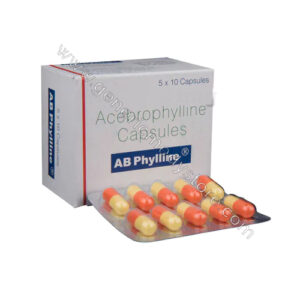
AB Phylline 100 Mg capsules
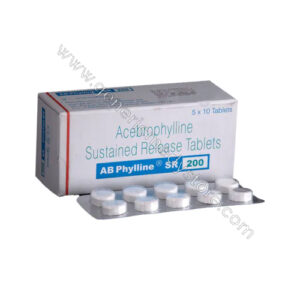
Starting at just $15.00Add to Cart This product has multiple variants. The options may be chosen on the product pageAB Phylline 200 Mg SR Tablets
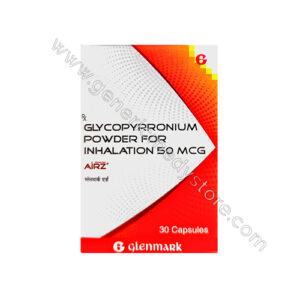
Starting at just $16.00Add to Cart This product has multiple variants. The options may be chosen on the product pageAirz Capsules 50 Mcg
Starting at just $15.00Add to Cart This product has multiple variants. The options may be chosen on the product pageAsthalin
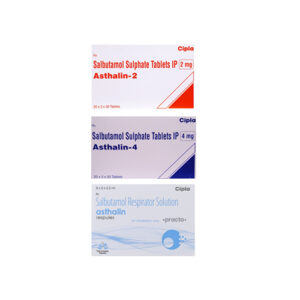
Starting at just $2.00Add to Cart This product has multiple variants. The options may be chosen on the product pageAsthalin 2 Mg
Starting at just $2.00Add to Cart This product has multiple variants. The options may be chosen on the product pageAsthalin 4 Mg
Starting at just $3.00Add to Cart This product has multiple variants. The options may be chosen on the product pageAsthalin Respules
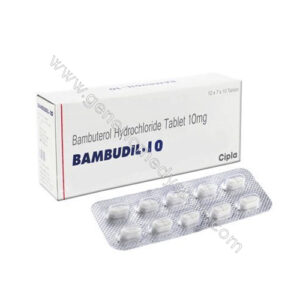
Starting at just $10.00Add to Cart This product has multiple variants. The options may be chosen on the product pageBambudil 10 Mg
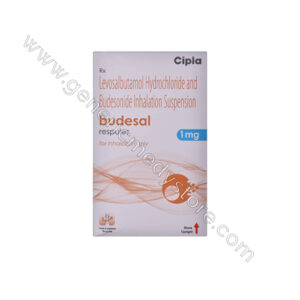
Starting at just $10.00Add to Cart This product has multiple variants. The options may be chosen on the product pageBudesal 1 Mg Respules
Starting at just $37.00Add to Cart This product has multiple variants. The options may be chosen on the product pageBudesal Respules
Starting at just $37.00Add to Cart This product has multiple variants. The options may be chosen on the product pageBudesal Respules 0.5 Mg
Starting at just $37.00Add to Cart This product has multiple variants. The options may be chosen on the product page





COPD Treatment: Breathing Easier Day to Day
Chronic obstructive pulmonary disease (COPD) is long-term lung damage that narrows the airways and makes it hard to empty the lungs fully. It covers two overlapping conditions: emphysema, in which the tiny air sacs lose their elasticity and break down, and chronic bronchitis, in which the airways stay inflamed and produce too much mucus. Unlike asthma, the narrowing is largely permanent. Treatment cannot undo the damage, but it can ease breathlessness, reduce flare-ups and help people stay active.
Causes and Symptoms
Smoking is the main cause. Years of breathing smoke from wood, coal or dung used for cooking and heating, dust and fumes at work and, rarely, an inherited condition called alpha-1 antitrypsin deficiency can also lead to COPD. It usually appears after the age of 40, with breathlessness on exertion, a lasting cough, phlegm, frequent chest infections and wheeze. The diagnosis is confirmed with spirometry, a simple breathing test.
Stopping Smoking Comes First
Quitting is the most important step: it is the only measure proven to slow the ongoing loss of lung function, and it helps at every stage of the disease. Nicotine replacement, varenicline or bupropion, combined with support from a stop-smoking service, gives the best chance of success. Avoiding second-hand smoke and smoky indoor fuels matters too.
Medicines for COPD
Most people start with a short-acting reliever and add one or two long-acting bronchodilators once breathlessness affects daily life.
| Treatment | Role in COPD | Examples |
|---|---|---|
| Short-acting relievers | Quick relief of breathlessness, used when needed | Asthalin Inhaler, Duolin Inhaler |
| LAMA (long-acting muscarinic antagonist) | Once-daily bronchodilator, often the first regular treatment | Tiova Rotacaps (tiotropium), Airz Capsules 50 mcg (glycopyrronium) |
| LAMA + LABA | Two bronchodilators together for persistent breathlessness | Duova Inhaler, Duova Rotacaps |
| Triple therapy (LAMA + LABA + inhaled steroid) | For people who keep having flare-ups | Triohale Inhaler, Triohale Rotacaps |
| Xanthine tablets | Add-on when symptoms persist despite inhalers | Doxolin 400 mg, AB Phylline 100 mg, AB Phylline 200 mg SR |
| Nebuliser respules | Severe breathlessness or difficulty using inhalers | Asthalin Respules, Duolin Respules, Ipravent Respules |
Where inhaled steroids fit
In COPD, inhaled steroids are not for everyone. They help people who keep having flare-ups despite long-acting bronchodilators, especially if a blood test shows a raised eosinophil count or they also have asthma. Because they increase the risk of pneumonia in COPD, the decision rests with a doctor. Steroid/LABA inhalers such as Seroflo Rotacaps 500 mcg and Symbicort Turbohaler 160 mcg are also used, although guidelines now generally prefer adding the steroid to two bronchodilators.
Xanthines and nebulisers
Doxofylline and acebrophylline are related to theophylline. Their benefit is modest, and they can cause nausea, palpitations, headache and poor sleep. Tell your doctor about other medicines, as some antibiotics such as ciprofloxacin and erythromycin can interact with them, and never take two xanthines together.
A nebuliser is not automatically stronger than a well-used inhaler with a spacer. It suits people who are very breathless or cannot manage a handheld device. With ipratropium respules, a mouthpiece is better than a mask because it keeps the mist away from the eyes. Clean the equipment after every use.
Beyond Medicines
- Pulmonary rehabilitation: a supervised program of exercise and education, usually over six to eight weeks, that improves breathlessness, stamina and confidence and cuts hospital admissions. Ask to be referred.
- Vaccines: a yearly flu jab and a pneumococcal vaccine, plus COVID-19 and RSV vaccines where offered.
Recognizing a Flare-Up
A flare-up, or exacerbation, is a worsening that goes beyond your usual day-to-day variation, often triggered by a chest infection. Warning signs include more breathlessness or coughing, more phlegm or a change in its color to yellow or green, extra wheeze, and needing your reliever more often. Contact your doctor early. Some people keep a standby supply of prednisolone (for example Omnacortil 10 mg) and antibiotics to start according to an agreed plan. Call emergency services if you are severely breathless at rest, have chest pain, become confused or drowsy, or your lips turn blue.
Side Effects
LAMAs can cause a dry mouth and constipation, and occasionally difficulty passing urine or eye pain, so mention an enlarged prostate or glaucoma to your doctor. Inhaled steroids can cause oral thrush and a hoarse voice; rinse your mouth after each dose.
Frequently Asked Questions
Is COPD the same as asthma?
No. Asthma often begins earlier in life, and the narrowing largely reverses with treatment. COPD develops after years of exposure to smoke or dust and is mostly permanent, although some people have features of both. See our asthma page for more.
Can COPD be reversed?
Lost lung function cannot be recovered, but stopping smoking, regular treatment and pulmonary rehabilitation can slow the decline and make a noticeable difference to daily life.
Is pulmonary fibrosis a type of COPD?
No. Idiopathic pulmonary fibrosis is scarring of the lung tissue itself rather than narrowing of the airways, and it is treated differently. See our page on idiopathic pulmonary fibrosis.
This content is general information and does not replace individual advice from a doctor or pharmacist. COPD medicines are prescription-only and should be used as part of a plan agreed with your healthcare team. If your breathing suddenly worsens, get medical help promptly.
Chronic Obstructive Pulmonary Disorder (COPD) guides
- Types of Asthma Inhalers: Relievers, Preventers and How to Use Them CorrectlyLearn the types of asthma inhalers (relievers, preventers and combination inhalers), how each one works, and step-by-step tips for correct inhaler technique.