Ordered before 17:30, shipped today


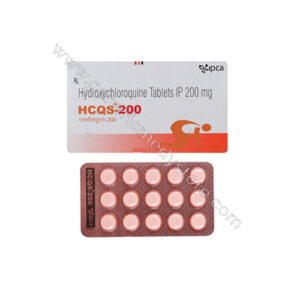
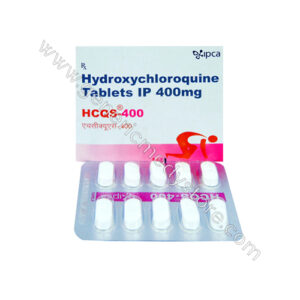
Hetquenil tablets from Hetero Healthcare contain hydroxychloroquine in 200 mg and 400 mg strengths. Hydroxychloroquine prevents and treats malaria only in the few regions where the parasite remains chloroquine-sensitive, and today it is more often prescribed for lupus and rheumatoid arthritis. Malaria advice depends on your destination, so always consult a travel clinic or doctor before you go.
Read moreShowing all 2 results
Active Filters:
Clear Filters
Hetquenil 200 Mg
Starting at just $60.00Add to Cart This product has multiple variants. The options may be chosen on the product pageHetquenil 400 Mg
Starting at just $85.00Add to Cart This product has multiple variants. The options may be chosen on the product page
Malaria and Hydroxychloroquine: What to Know
Malaria is a parasitic infection passed on by infected Anopheles mosquitoes, which bite mainly between dusk and dawn. Plasmodium parasites multiply first in the liver and then inside red blood cells. The most dangerous species, P. falciparum, can become life-threatening within a day or two of the first symptoms.
Fever After Travel Is an Emergency
Early malaria resembles flu: fever, chills, sweats, headache, aching muscles or vomiting. Symptoms usually start one to four weeks after an infected bite but can appear months later. If you develop a fever during or within a year of visiting a malaria area, and especially in the first three months, get an urgent same-day malaria blood test and tell the doctor where you have been. Confusion, fits, breathing difficulty, yellowing skin or dark urine need emergency care.
Where Hydroxychloroquine Fits
Hydroxychloroquine only works against malaria parasites that are still sensitive to chloroquine. Resistance is now widespread, and chloroquine-sensitive falciparum malaria is limited to a few areas, such as parts of Central America west of the Panama Canal and the island of Hispaniola (Haiti and the Dominican Republic). Most destinations need a different medicine. Visit a travel clinic four to six weeks before departure for region-specific advice, and never use hydroxychloroquine to treat suspected malaria yourself.
When a doctor confirms it is suitable for prevention, the usual adult dose is 400 mg once a week on the same day, starting one to two weeks before arrival, continuing throughout the stay and for four weeks after leaving. Taking it with food helps reduce stomach upset.
| Product | Strength | Notes |
|---|---|---|
| Hetquenil 200 mg | Hydroxychloroquine 200 mg | Common strength for lupus and arthritis; two tablets make one weekly malaria dose |
| Hetquenil 400 mg | Hydroxychloroquine 400 mg | One tablet provides the weekly adult malaria prevention dose |
Main Uses Today
Most hydroxychloroquine prescriptions are now for lupus and rheumatoid arthritis, where it calms an overactive immune system. Daily doses are adjusted to body weight, and benefits take a few months to build.
Side Effects and Safety
- Common: nausea, stomach cramps, diarrhea, headache and rash
- Retinal damage: rare, and linked to long-term use and higher doses. Long-term users need a baseline eye check and regular screening, typically yearly after five years.
- Heart rhythm changes (QT prolongation): take extra care with other medicines that affect heart rhythm
- Low blood sugar, even in people without diabetes: watch for shaking, sweating or confusion
- It can worsen psoriasis and porphyria, and needs caution in epilepsy, G6PD deficiency and kidney or liver disease
- Overdose is very dangerous, especially for children, so store tablets securely
Hydroxychloroquine is not a treatment for COVID-19. Large trials showed no benefit, and WHO and the FDA advise against this use.
Preventing Mosquito Bites
No antimalarial gives complete protection, so avoiding bites matters as much as tablets. Use a repellent containing 20–50% DEET, cover arms and legs from dusk onwards, and sleep under an insecticide-treated bed net. The same steps protect against other mosquito-borne infections such as filariasis.
Frequently Asked Questions
Why continue the tablets for four weeks after returning?
Hydroxychloroquine acts on blood-stage parasites, not those in the liver, so continuing covers infection that emerges from the liver after you leave.
Do short-term travelers need eye checks?
Retinal risk is linked to years of use, so routine screening is mainly for long-term users.
This page offers general background only and is no replacement for personalized travel or medical advice. Hydroxychloroquine is a prescription medicine; always confirm with a doctor or travel health clinic that it is appropriate for you and your destination.