Ordered before 17:30, shipped today


Salicylic acid creams for thickened, scaly and rough skin, including Dr Reddy’s Salicylix SF in 6% and 12% strengths, which soften and lift hard scale, calluses and rough patches. Please confirm the diagnosis and the right strength with your doctor or pharmacist.
Read moreShowing all 3 results
Active Filters:
Clear Filters
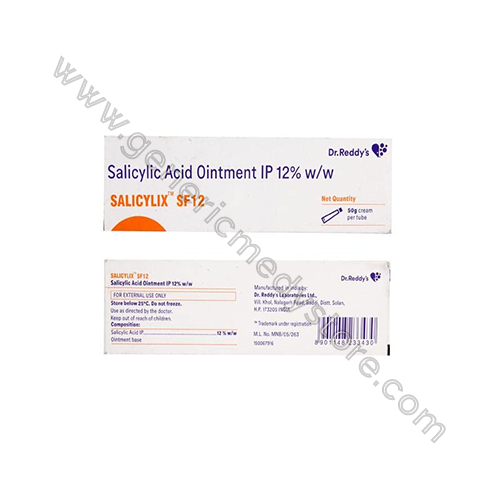
Salicylix SF 12% Cream
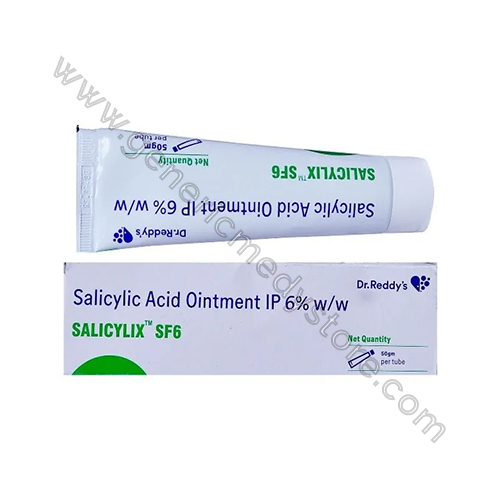
Starting at just $5.00Add to Cart This product has multiple variants. The options may be chosen on the product pageSalicylix SF 6% Cream
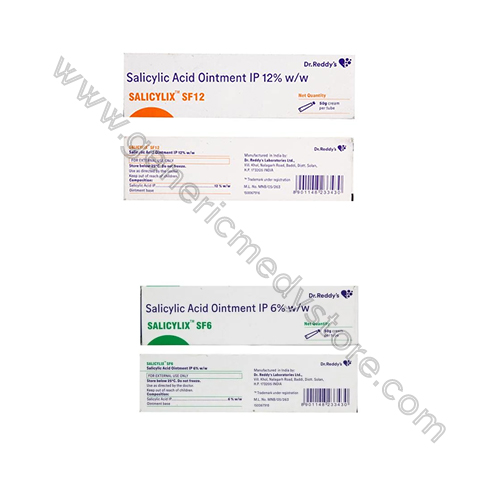
Starting at just $4.00Add to Cart This product has multiple variants. The options may be chosen on the product pageSalicylix SF Cream
Starting at just $5.00Add to Cart This product has multiple variants. The options may be chosen on the product page
Treating Scaly and Thickened Skin
When skin cells build up faster than they can shed, or an area is repeatedly rubbed and pressed, the outer layer thickens into rough scale, hard calluses or bumpy patches. Doctors call this hyperkeratosis, and the right approach depends on the cause. This page covers salicylic acid creams, which work on the surface to soften and clear scale.
Conditions That Cause Scaling
- Psoriasis: thick, silvery plaques on the elbows, knees and scalp. See our psoriasis treatments.
- Calluses and corns: hard skin caused by pressure or friction, usually on the feet and hands.
- Keratosis pilaris: small rough bumps on the upper arms and thighs, caused by plugs of keratin in hair follicles.
- Ichthyosis: an inherited or acquired tendency to dry, fish-scale-like skin, often on the shins.
- Hyperkeratotic hand and foot eczema: thick, cracked skin on the palms and soles.
How Salicylic Acid Works
Salicylic acid is a keratolytic. It loosens the bonds that hold dead surface cells together, so scale softens and sheds more easily. Clearing scale also helps steroid or vitamin D creams reach the inflamed skin beneath. It treats the build-up rather than the underlying cause, so it usually forms one part of a wider plan.
Products in This Range
| Product | Active ingredient | Typical role |
|---|---|---|
| Salicylix SF 6% Cream | Salicylic acid 6% | Scaling in psoriasis, keratosis pilaris and ichthyosis |
| Salicylix SF 12% Cream | Salicylic acid 12% | Small areas of very thick skin, such as calluses and corns on the soles |
| Salicylix SF Cream | Salicylic acid | Check the strength on the pack before use |
Using Salicylic Acid Cream
- Apply a thin layer to the affected area only, usually once or twice a day or as directed. Soaking thick skin in warm water beforehand helps it work.
- Wash your hands afterwards unless you are treating them.
- Keep it away from the eyes, mouth, nostrils and genitals.
- Do not apply to broken, cracked, raw, infected or inflamed skin.
- Stinging, dryness and peeling are common. Stop and ask for advice if irritation is severe.
Why the treated area matters
Salicylic acid is absorbed through the skin. Spreading it over large areas, covering it with airtight dressings, using it on damaged skin or using it for long periods can raise blood levels enough to cause salicylate poisoning. Warning signs include ringing in the ears, nausea, vomiting, dizziness, confusion and fast, deep breathing; stop the cream and get medical help if they appear. Extra care is needed for:
- Children: use only on small areas and only on medical advice; not suitable for infants
- People with kidney or liver disease, or an allergy to aspirin
- Pregnancy and breastfeeding, when large areas should be avoided
- Anyone with diabetes or poor circulation, who should not treat corns or calluses on their feet without professional advice
Frequently Asked Questions
Can I use these creams on my face?
Salicylic acid at 6% or 12% is generally too strong for facial skin. Much lower strengths are used in acne washes and gels; see our acne range or ask a pharmacist.
How soon will my skin improve?
Rough, scaly skin often starts to soften within one to two weeks of regular use. Conditions such as ichthyosis and keratosis pilaris return when treatment stops, so a regular moisturizer is usually advised for maintenance.
Nothing on this page is a replacement for seeing a doctor or pharmacist about your own skin. Salicylic acid creams should be used only as directed on the pack or by your prescriber.