

Melasma causes brown or grayish-brown patches, most often on the cheeks, forehead, nose and upper lip. It isn’t harmful, but it can be frustrating: it tends to be stubborn, and it often returns after treatment. The good news is that with the right combination of sun protection and proven topical treatments, most people can significantly lighten their patches. This guide explains what causes melasma and how the most effective melasma treatment creams work.
What Causes Melasma?
Melasma happens when the pigment-producing cells in the skin (melanocytes) become overactive. The main triggers are:
- Sun exposure: ultraviolet (UV) and visible light are the biggest drivers, and even short daily exposure counts.
- Hormones: pregnancy (melasma is sometimes called “the mask of pregnancy”), the contraceptive pill and hormone therapy.
- Genetics: it often runs in families.
- Skin type: it is more common in women and in people with medium to darker skin tones.
- Heat and some cosmetics, which can make it worse.
Step 1: Sun Protection (The Non-Negotiable)
No cream will work well without strict sun protection. Even brief sun exposure can undo weeks of progress.
- Use a broad-spectrum sunscreen, SPF 30–50, every morning, all year round, indoors and out.
- Choose a tinted sunscreen containing iron oxides where possible. It also blocks visible light, which ordinary sunscreens don’t.
- Reapply every 2 hours when outdoors.
- Wear a wide-brimmed hat and seek shade between 10am and 4pm.
Step 2: Hydroquinone Creams
Hydroquinone has long been one of the most widely used topical treatments for melasma. It works by blocking tyrosinase, the enzyme the skin needs to make melanin, which gradually lightens dark patches.
- Common strengths are 2% and 4%.
- Improvement usually becomes visible after 4–12 weeks.
- It is typically used for about 3–4 months, followed by a break. Long-term continuous use can, rarely, cause a bluish-black darkening called exogenous ochronosis.
- Mild redness, dryness or stinging can occur. Do a patch test on a small area first.
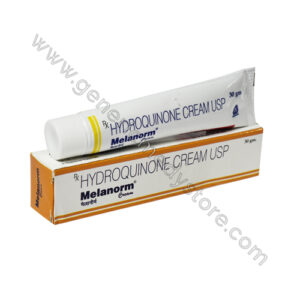
Hydroquinone creams include Melalite Forte Cream, Eukroma Cream and Melanorm Cream.

Step 3: Triple Combination Creams
For moderate to stubborn melasma, dermatologists often prescribe a triple combination cream. It combines three ingredients that work together:
- Hydroquinone: reduces melanin production
- Tretinoin: speeds up skin cell turnover, so pigmented cells are shed faster and hydroquinone penetrates better
- A mild corticosteroid (such as mometasone or fluocinolone): calms the irritation the other two can cause
Triple combination therapy is considered one of the most effective topical treatments for melasma. An example is Melacare Cream (hydroquinone, tretinoin and mometasone).
Because these creams contain a steroid, they are usually used for a limited period, often up to 8 weeks, as directed by a doctor. Longer use can cause skin thinning, visible blood vessels, acne-like breakouts or stretch marks.
How to Apply Melasma Creams
- Cleanse gently and pat the skin completely dry.
- Apply a thin layer only to the dark patches, once daily at night, unless told otherwise.
- Avoid the eyes, lips and corners of the nose.
- Wash your hands afterwards.
- Apply sunscreen every morning without exception.
Gentler Options and Maintenance
Melasma often comes back, especially after sun exposure or hormonal changes. Once your patches have improved, a doctor may switch you to a gentler maintenance routine, such as:
- Azelaic acid (for example Aziderm 20% cream): lightens pigment and is often considered suitable in pregnancy
- Niacinamide, vitamin C, kojic acid or tranexamic acid serums
- Continued daily tinted sunscreen
In-clinic treatments such as chemical peels may also help, but some lasers can make melasma worse, so choose an experienced dermatologist.
Who Should Be Careful
Avoid hydroquinone and tretinoin if you are pregnant or breastfeeding. Melasma that appears during pregnancy often fades on its own after delivery. See a doctor first if you are unsure whether a patch is melasma. Other conditions, including some skin cancers, can look similar and should be checked.
Frequently Asked Questions
Can melasma be cured permanently?
Melasma can be greatly improved and sometimes cleared, but it tends to recur. Long-term sun protection and a maintenance routine are the best ways to keep it away.
How long does it take for melasma creams to work?
Most people notice lightening within 4–8 weeks, with more significant results by around 12 weeks.
Why is my melasma getting darker during treatment?
Usually this is due to sun or heat exposure, or irritation from the cream. Review your sunscreen routine and speak to your doctor if the skin becomes very red or inflamed.
Browse our full range of melasma treatments, or read our guide to using tretinoin for tips on reducing irritation.
This article is for general information only and is not a substitute for professional medical advice. Consult a doctor or dermatologist for diagnosis and before using prescription skin-lightening treatments.
Shop the products in this article


Prescription medicines: check with your doctor or pharmacist that a treatment is right for you before ordering.