Ordered before 17:30, shipped today


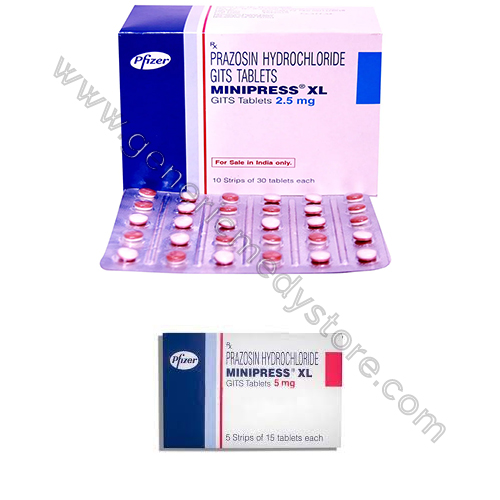
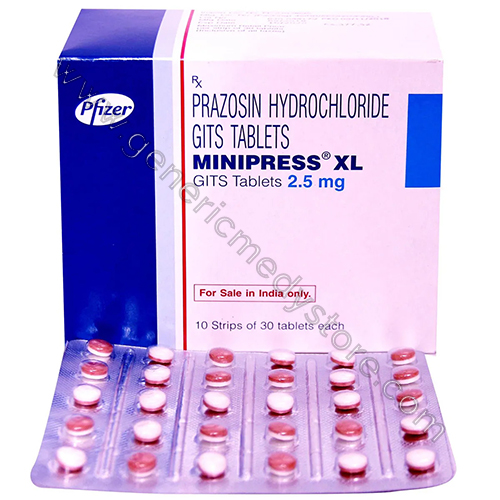
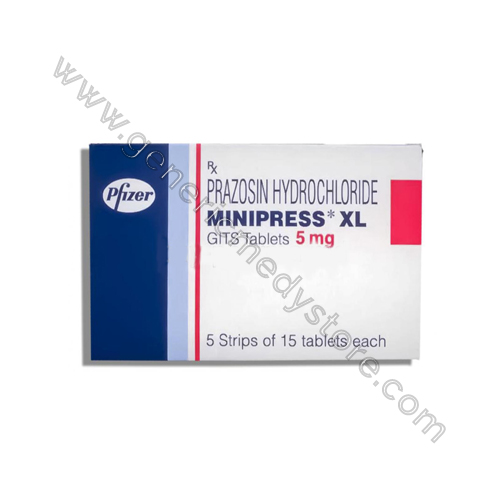
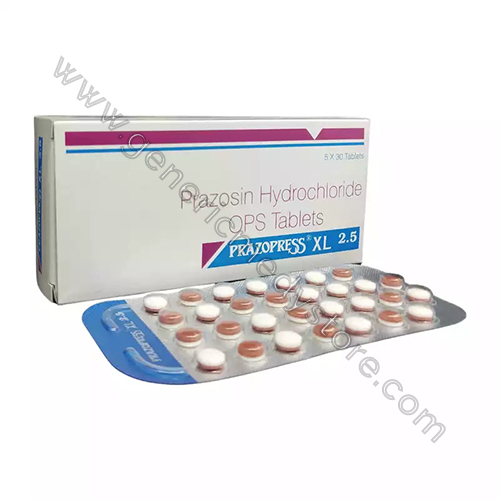
Explore heart and circulation medicines including Minipress XL from Pfizer and Prazopress XL from Sun Pharmaceutical, both extended-release prazosin tablets in 2.5 mg and 5 mg strengths. Prazosin relaxes blood vessels and is prescribed for high blood pressure, usually alongside other treatments, and sometimes for Raynaud's. Heart medicines should always be used with regular medical supervision.
Read moreShowing all 9 results
Active Filters:
Clear Filters
Angispan TR 2.5 mg
Starting at just $17.00Add to Cart This product has multiple variants. The options may be chosen on the product pageAngispan TR 6.5 mg
Starting at just $23.00Add to Cart This product has multiple variants. The options may be chosen on the product pageMinipress XL
Starting at just $13.00Add to Cart This product has multiple variants. The options may be chosen on the product pageMinipress XL 2.5 Mg
Starting at just $13.00Add to Cart This product has multiple variants. The options may be chosen on the product pageMinipress XL 5 Mg
Starting at just $16.00Add to Cart This product has multiple variants. The options may be chosen on the product pageMyonit Insta
Starting at just $21.25Add to Cart This product has multiple variants. The options may be chosen on the product pageNitrosmart 2.6 mg
Starting at just $12.00Add to Cart This product has multiple variants. The options may be chosen on the product pagePrazopress XL 2.5 Mg
Starting at just $10.00Add to Cart This product has multiple variants. The options may be chosen on the product pagePrazopress XL 5 Mg
Starting at just $12.00Add to Cart This product has multiple variants. The options may be chosen on the product page





Heart Care: Protecting Your Heart and Circulation
Heart attacks and strokes are among the most common causes of death and disability worldwide, yet many of the conditions that lead to them can be found early and brought under control. Looking after your heart means knowing your numbers, building healthy habits, taking prescribed medicines consistently and acting fast when warning signs appear. This page gives an overview of each, and explains where prazosin, the medicine currently listed here, fits in.
Know Your Numbers
- Blood pressure: high blood pressure rarely causes symptoms but steadily strains the heart, arteries, kidneys and brain. A clinic reading of 140/90 mmHg or above is generally considered high. Our high blood pressure guide explains thresholds and how to measure at home.
- Cholesterol: raised LDL ("bad") cholesterol builds up in artery walls and narrows them. A simple blood test, usually combined with an overall heart risk score, helps decide whether you need a statin or other treatment.
- Blood sugar: diabetes significantly increases the risk of heart disease and stroke, so good control matters for the heart as well as the eyes, kidneys and nerves.
- Weight and waist size: carrying extra weight around the middle is linked to higher blood pressure, cholesterol and diabetes risk.
Many clinics offer a routine heart health check from around the age of 40, or earlier if heart disease runs in your family.
Everyday Habits That Protect the Heart
- Stop smoking. For smokers, this is often the single most effective step, and the benefit starts within months.
- Move more. Aim for at least 150 minutes of moderate activity a week, such as brisk walking or cycling, plus some muscle-strengthening exercise.
- Eat for your heart. Base meals on vegetables, fruit, wholegrains, pulses, nuts and oily fish, and cut back on salt, sugary drinks and processed meat.
- Keep alcohol moderate and avoid binge drinking.
- Sleep and stress. Aim for 7–9 hours of sleep. Loud snoring with pauses in breathing (possible sleep apnoea) is worth mentioning to a doctor, as it is linked to high blood pressure.
Where Prazosin Fits In
Prazosin is an alpha-1 blocker. It stops nerve signals from tightening the muscle in the walls of small blood vessels, so the vessels relax and widen. This lowers blood pressure and can improve blood flow to the fingers and toes. The extended-release (XL) tablets release the medicine slowly through the day and are taken once daily.
| Strength | Typical role | Examples |
|---|---|---|
| 2.5 mg XL | Lower strength, commonly used when starting treatment | Minipress XL 2.5 mg, Prazopress XL 2.5 mg |
| 5 mg XL | Used when a higher dose is needed | Minipress XL 5 mg, Prazopress XL 5 mg |
Prazosin is prescribed for:
- High blood pressure, usually as an add-on when first-choice medicines are not enough on their own
- Raynaud's, to improve circulation in fingers that turn white or blue in the cold (see our Raynaud's disease page)
- Enlarged prostate (BPH), to ease urinary symptoms in men
The first dose can cause a sudden fall in blood pressure and even fainting, so it is usually taken at bedtime. Dizziness on standing, headache and tiredness are common early on. Prazosin can also lower blood pressure too far when combined with erectile dysfunction medicines such as sildenafil or tadalafil, so the two should only be combined on a doctor's advice.
Angina and Nitrates
Angina is chest pain or tightness caused by narrowed heart arteries, typically brought on by exertion or stress and eased by rest. It needs a proper heart assessment. Treatment often includes nitrates such as nitroglycerin (glyceryl trinitrate), for example Angispan TR 2.5 mg. Nitrates must never be combined with PDE5 inhibitors such as sildenafil, tadalafil or vardenafil, as together they can cause a dangerous drop in blood pressure.
Warning Signs: Call Emergency Services
Possible heart attack
- Chest pain, pressure, heaviness or tightness that may spread to the arms, neck, jaw, back or stomach
- Shortness of breath, sweating, feeling sick or light-headed
- In women, older people and people with diabetes, symptoms can be milder or unusual, such as breathlessness, indigestion-like discomfort or sudden exhaustion
Call emergency services straight away and don't drive yourself to hospital. The call handler may advise you to chew an aspirin if you are not allergic to it.
Possible stroke: think FAST
- Face: has one side drooped?
- Arms: can the person lift both arms and keep them there?
- Speech: is it slurred, muddled or absent?
- Time: call emergency services immediately if you see any of these signs
Sudden loss of vision, a sudden severe headache, or loss of balance can also signal a stroke. Even if symptoms pass within minutes, get urgent help, as this may be a mini-stroke (TIA).
Living With Heart Medicines
Most heart and blood pressure medicines work quietly in the background, so it's easy to forget why they matter. Take them at the same time each day, keep an up-to-date list of everything you use (including supplements, herbal products and over-the-counter remedies), and bring it to appointments. Tell your doctor about side effects rather than stopping, as a dose change or an alternative is usually possible.
Frequently Asked Questions
Is prazosin a first-choice blood pressure medicine?
Usually not. Guidelines generally start with ACE inhibitors, ARBs, calcium-channel blockers or thiazide-type diuretics. Prazosin is more often added later, or chosen for men who also have prostate symptoms.
Can I stop my medicine once my readings are normal?
Not without advice. Normal readings usually mean the medicine is working, and stopping can let blood pressure rise again.
Do I need check-ups while taking heart medicines?
Yes. Your doctor will check your blood pressure regularly and may arrange blood tests to fine-tune treatment and look for side effects.
The information here is for general education only and does not replace advice from your doctor, cardiologist or pharmacist. Prazosin and the other heart medicines mentioned are prescription medicines. If you think someone is having a heart attack or stroke, call emergency services immediately.