Ordered before 17:30, shipped today


Browse Minipress XL extended-release prazosin tablets from Pfizer, with the equivalent Prazopress XL from Sun Pharmaceutical also available, which are sometimes prescribed to improve circulation in Raynaud's. The condition makes fingers and toes turn white or blue and numb in the cold. Most people manage well with warmth and avoiding triggers, with medicines kept for frequent or severe attacks.
Read moreShowing all 5 results
Active Filters:
Clear Filters
Minipress XL
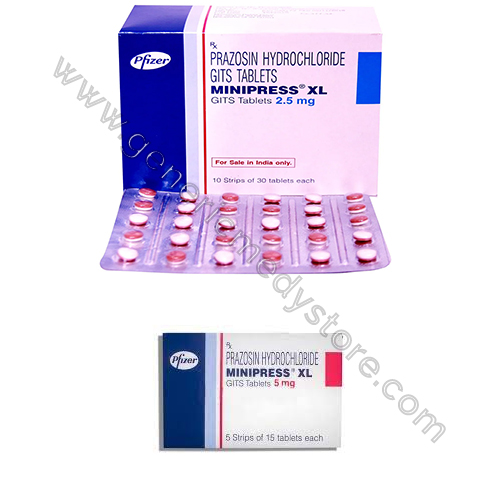
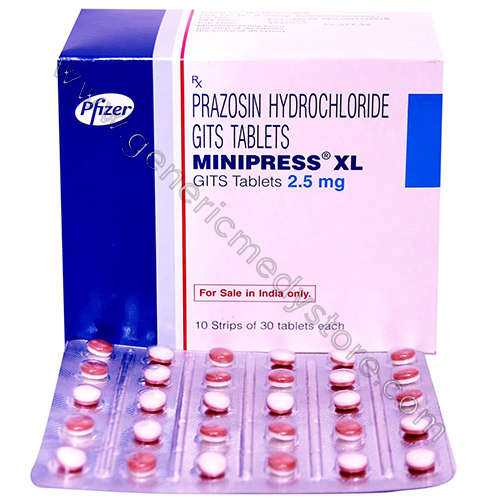
Starting at just $13.00Add to Cart This product has multiple variants. The options may be chosen on the product pageMinipress XL 2.5 Mg
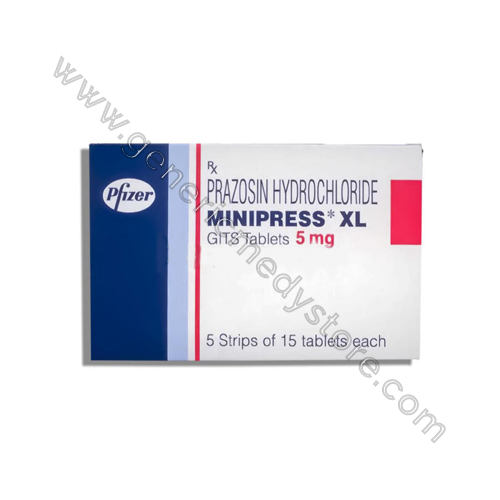
Starting at just $13.00Add to Cart This product has multiple variants. The options may be chosen on the product pageMinipress XL 5 Mg
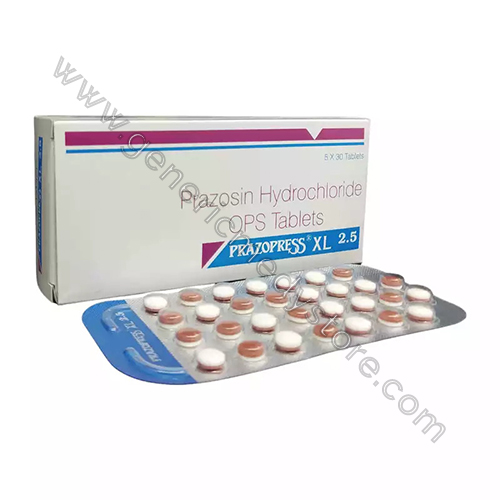
Starting at just $16.00Add to Cart This product has multiple variants. The options may be chosen on the product pagePrazopress XL 2.5 Mg
Starting at just $10.00Add to Cart This product has multiple variants. The options may be chosen on the product pagePrazopress XL 5 Mg
Starting at just $12.00Add to Cart This product has multiple variants. The options may be chosen on the product page

Raynaud's: Why Fingers Change Color in the Cold
In Raynaud's, the small arteries supplying the fingers and toes overreact to cold or emotional stress and clamp down, a process called vasospasm. During an attack the affected digits typically turn white as blood flow stops, then blue as oxygen runs low, and finally red as blood rushes back, often with throbbing, tingling or pain. An attack can last from a few minutes to over an hour, and the ears, nose, lips or nipples can also be affected.
Primary or Secondary?
- Primary Raynaud's (Raynaud's disease) is common, often begins in the teens or twenties, affects both hands similarly and has no underlying cause. It rarely damages the skin.
- Secondary Raynaud's (Raynaud's phenomenon) is linked to another condition, such as scleroderma, lupus or rheumatoid arthritis, to years of using vibrating tools, or to certain medicines such as beta-blockers. It tends to start later and be more severe.
See a doctor if attacks start after about age 30, affect only one side, are very painful, or come with joint pain, rashes, tightening skin or dry eyes and mouth. Blood tests and a close look at the tiny vessels at the base of the nails help check for an underlying cause.
Self-Care Comes First
- Keep your whole body warm, not just your hands: wear layers, a hat, thick socks and gloves or mittens.
- Use gloves to handle frozen food, and insulated cups for cold drinks.
- Stop smoking, as nicotine narrows blood vessels.
- Exercise regularly and find ways to manage stress.
- Limit caffeine and decongestants if they seem to trigger attacks.
- During an attack, move somewhere warm, wiggle your fingers or swing your arms, and warm your hands in warm (not hot) water.
Medicines for Raynaud's
When attacks are frequent or severe, a doctor may prescribe a medicine that widens blood vessels. Calcium-channel blockers, particularly modified-release nifedipine, are usually tried first.
Prazosin is an alpha-1 blocker that relaxes the small arteries in the skin. It is licensed for Raynaud's in some countries and prescribed off-label in others, and studies suggest a modest reduction in how often and how badly attacks occur. Options include Minipress XL 2.5 mg, Minipress XL 5 mg, Prazopress XL 2.5 mg and Prazopress XL 5 mg. Because it lowers blood pressure, the first dose is usually taken at bedtime to reduce the risk of fainting, and dizziness on standing is common. It may not suit people whose blood pressure already runs low, and it should only be combined with ED medicines such as sildenafil on a doctor's advice. Full dosing and safety details are in our high blood pressure guide, and more circulation products are in heart care.
Get Urgent Medical Help If
- A sore, ulcer or blister appears on a fingertip or toe
- A finger or toe stays white, blue or black and doesn't recover after warming
- The skin becomes infected, swollen or severely painful
Frequently Asked Questions
Is Raynaud's dangerous?
Primary Raynaud's is uncomfortable but rarely harmful. Secondary Raynaud's can reduce blood supply enough to cause ulcers, so it needs regular medical follow-up.
How soon might prazosin help?
Some people notice fewer or milder attacks within a few weeks. If there is no benefit, your doctor may switch to another treatment.
This guide is general information, not a diagnosis. Prazosin is a prescription medicine, and anyone with new or worsening Raynaud's symptoms should see a doctor to rule out an underlying condition before starting treatment.