


Pink eye is usually caused by a virus, bacteria or an allergy, and the discharge and the itch give the strongest clues. Thin, watery discharge during a cold points to a virus, thick pus that makes the lids stick together points to bacteria, and intense itching in both eyes points to an allergy. Only bacterial pink eye is helped by antibiotic drops; most viral pink eye clears up on its own, and allergic pink eye eases with allergy drops and by avoiding the trigger.
Pink eye, or conjunctivitis, means the conjunctiva is inflamed. That is the thin, clear layer that covers the white of the eye and lines the inside of the eyelids. The eye looks pink or red, feels gritty or burning, and may water or make discharge. Smoke, chemicals, a loose eyelash, or contact lenses worn too long or not cleaned properly can cause it too.
Pink eye bacterial vs viral vs allergic: how can you tell them apart?
No single sign is certain, and a doctor may need to look at your eye to be sure. Still, each type tends to follow a pattern, as the CDC’s pink eye symptom guide describes.
| Viral | Bacterial | Allergic | |
|---|---|---|---|
| Discharge | Thin and watery | Thick pus; the lids may stick together | Mostly watery tears |
| Eyes affected | Often starts in one eye and spreads to the other within days | One or both | Usually both |
| Other clues | A cold, flu or other respiratory infection | Sometimes comes with an ear infection | Strong itching, puffy lids, sneezing, itchy nose; sometimes asthma symptoms |
| Contagious? | Yes, very | Yes, very | No |
| How long it lasts | Usually 7 to 14 days, sometimes 2 to 3 weeks or more | Mild cases often 2 to 5 days, up to 2 weeks | Flares whenever you meet the trigger |
| What helps | Time, cool compresses, artificial tears | Antibiotic drops or ointment when a doctor advises them | Avoiding the trigger, antihistamine eye drops |
Irritant pink eye, from smoke, dust, fumes or a loose eyelash, can cause watery eyes and some mucus. A chemical splash is an emergency: flush the eye right away with cool, clean tap water for at least 15 minutes and get medical help.
Is pink eye contagious?
Viral and bacterial pink eye spread easily from person to person. The germs travel on hands that touch the eyes, and on shared towels, pillowcases, makeup and eye drops.
Allergic and irritant pink eye are not contagious. You cannot catch an allergy from someone else’s eyes.
Ask your doctor when it is OK to go back to school or work.
Do you need antibiotic eye drops for pink eye?
Only if the cause is bacterial. As the CDC’s treatment advice points out, antibiotics do not work against viruses, so they will not speed up viral pink eye. A few viral types, such as those caused by the herpes simplex virus or the virus behind chickenpox and shingles, need antiviral treatment from a doctor.
Mild bacterial pink eye often gets better without treatment. Antibiotic drops or ointment can shorten the illness, lower the chance of complications and help stop the spread. Doctors are more likely to prescribe them when there is pus, when your immune system is weakened, or when certain bacteria are suspected.
Common choices include azithromycin and ciprofloxacin drops, among others. The US label for azithromycin drops (AzaSite) gives a 7-day course: 1 drop in the affected eye twice a day, 8 to 12 hours apart, for 2 days, then once a day for 5 days. The AzaSite prescribing information lists eye irritation as the most common side effect, in about 1 to 2% of people. Ciprofloxacin drops follow a different schedule, so always go by your own prescription.
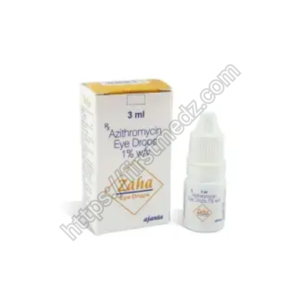
If your doctor prescribes azithromycin, Zaha eye drops contain the same active ingredient as AzaSite; they are made and licensed in India and start from $13.75. Ciplox eye drops contain ciprofloxacin and start from $4, and Azithral eye ointment is an azithromycin ointment from $10. These are prescription medicines, so use them only when a doctor has confirmed a bacterial infection, and call your doctor if you are not better after 24 hours on antibiotics.
To put in drops safely:
- Wash your hands first.
- Tilt your head back, gently pull down the lower lid and let one drop fall into the pocket.
- Do not let the tip touch your eye, lashes, fingers or any surface.
- Do not use the same bottle for an infected eye and a healthy eye.
- Use the drops for as long as your prescriber says, even if the eye looks better sooner.
What helps allergic pink eye?
The first step is to avoid what sets it off as much as you can, such as pollen, pet dander, dust mites or mold. Stay away from smoke, including secondhand smoke, and try not to touch or rub your eyes.
Cool compresses and artificial tears (lubricating drops) can soothe the eyes. Antihistamine eye drops can relieve the itching. Ketotifen drops are sold on US drugstore shelves; their Drug Facts label is for adults and children 3 and older: 1 drop in the affected eye twice a day, every 8 to 12 hours, no more than twice a day. Children under 3 should see a doctor first. Stop and see a doctor if the itching gets worse or lasts more than 72 hours, or if you notice eye pain, redness or changes in vision.
Decongestant (redness-relief) drops can sometimes dry the eyes, and using them for more than 5 days can cause rebound redness. If drugstore products are not enough, see a doctor. Other allergy drops are available by prescription, and mild steroid drops are sometimes prescribed for severe reactions, but only after an eye doctor has examined your eyes.
If your itchy eyes come with a stuffy, runny nose, our guide to nasal sprays for allergies explains how steroid sprays work and how to use them.
How do you stop pink eye from spreading?
- Wash your hands with soap and water for at least 20 seconds, especially before and after cleaning around your eyes or putting in drops or ointment. If you have no soap, use a hand sanitizer with at least 60% alcohol.
- With clean hands, wipe discharge away with a clean, wet washcloth or a fresh cotton ball, then throw the cotton ball away and wash your hands again.
- Avoid touching or rubbing your eyes with your fingers.
- Wash washcloths, towels, pillowcases and sheets often in hot water with detergent.
- Do not share pillows, washcloths, towels, eye drops, eye or face makeup, or makeup brushes.
- Stay out of swimming pools until the infection has cleared.
Can you wear contact lenses with pink eye?
No. Take your lenses out and wear glasses until your eye doctor says it is OK to start again. The AzaSite label also tells people with signs of bacterial pink eye not to wear contacts. Throw away disposable lenses and other disposable products you used while your eye was infected, and clean reusable lenses, glasses and cases as directed.
If you use ketotifen allergy drops, take your lenses out first and wait at least 10 minutes before putting them back in. Do not use these drops to treat irritation caused by the lenses themselves.
A red eye in a contact lens wearer needs extra care, because it can be bacterial keratitis, an infection of the cornea, the clear front window of the eye. The CDC’s keratitis guidance says that with eye pain, redness, blurry vision, light sensitivity, watery eyes or discharge, you should remove your lenses and call your eye doctor right away. Left untreated, bacterial keratitis can lead to vision loss or even blindness.
When to see a doctor
Most pink eye is mild, but get medical care promptly if you have:
- Eye pain, rather than just a gritty feeling
- Sensitivity to light
- Blurred vision that does not clear when you blink or wipe away discharge
- Intense eye redness
- A red, painful eye while wearing contact lenses
- A weakened immune system
- A newborn baby with any signs of pink eye (see a doctor right away)
- Symptoms that get worse or do not improve, including bacterial pink eye that is not better after 24 hours on antibiotics
Our eye care section lists other eye medicines, but any of these red flags needs an eye exam first.
Frequently asked questions
Does pink eye go away on its own?
Often, yes. Viral pink eye usually clears in 1 to 2 weeks, and mild bacterial pink eye often clears in 2 to 5 days. Allergic pink eye usually eases when you avoid the trigger. See a doctor if it is getting worse or not improving.
Can I use leftover antibiotic eye drops from last time?
It is better not to. Antibiotics do nothing for viral or allergic pink eye, an opened bottle can become contaminated, and eye drops should never be shared with someone else.
Why did my pink eye spread to the other eye?
Viral pink eye usually begins in one eye and spreads to the other within days. Washing your hands often and not touching or rubbing your eyes helps. Allergic pink eye usually affects both eyes.
Are steroid eye drops OK for pink eye?
Only if an eye doctor prescribes them after an exam. Steroids can make some eye infections worse, so do not use steroid or steroid-combination drops on your own.
This article gives general information only and is not medical advice. Prescription medicines, including antibiotic and steroid eye drops, should be used under a doctor’s care.
Shop the products in this article


Browse all Eye Drops & Eye Care products →
Prescription medicines: check with your doctor or pharmacist that a treatment is right for you before ordering.
