

Seasonal allergies, often called hay fever, happen when your immune system overreacts to pollen from trees, grasses or weeds. The result is sneezing, an itchy runny nose and watery eyes that return around the same time each year. For many people, seasonal allergy treatment works well when it combines less pollen exposure with a steroid nasal spray, an antihistamine or allergy eye drops, ideally started before the season peaks.
What are the symptoms of seasonal allergies?
Pollen lands in your nose and eyes, and your body releases histamine and other chemicals as if it were fighting an infection. Common symptoms include:
- Sneezing, often several times in a row
- A runny or stuffy nose
- Itchy nose, throat, mouth or ears
- Red, itchy, watery eyes
- A cough
- Tiredness, irritability and headache
- Dark circles or puffiness under the eyes
Symptoms are often worse outdoors on warm, windy days, when there is more pollen in the air.
Is it a cold or hay fever?
Both can give you a runny nose and sneezing, so they are easy to mix up. The biggest clues are itching, timing and how long it lasts. According to MedlinePlus, seasonal allergies usually last longer than the week or two a cold takes to clear.
| Seasonal allergies | Common cold | |
|---|---|---|
| Cause | Pollen (an immune reaction) | A virus |
| Itchy, watery eyes | Common | Usually not |
| Nose | Runny or stuffy, often itchy | Runny or stuffy; mucus may thicken or change color after a few days |
| Fever or body aches | No | Fever is uncommon; mild aches are possible |
| How long it lasts | As long as you are exposed, often weeks | Usually up to 2 weeks |
| Contagious | No | Yes |
| Pattern | Same season each year | Any time, most common in winter and early spring |
When is pollen season?
The pollen that causes hay fever comes from trees, grasses and weeds and is carried by the wind. Flower pollen is carried by insects instead, so it does not cause hay fever. In much of the US, the season runs in three waves:
- Spring: tree pollen, such as birch, oak, elm and maple.
- Late spring and summer: grass pollen.
- Late summer into fall: weeds, especially ragweed.
Exact timing depends on where you live and the weather. Pollen counts tend to be higher on hot, dry, windy days, while rain washes much of it to the ground. The CDC notes that a changing climate can affect when pollen season starts and ends and how long it lasts.
What medicines treat seasonal allergies?
Several types of medicine work well, alone or together. You can browse our allergy medicine range to see the generic options we carry.
Antihistamines
Antihistamine tablets block histamine and are good at easing sneezing, itching, a runny nose and watery eyes. They do less for a blocked nose. Newer types such as cetirizine, levocetirizine, loratadine and fexofenadine cause little or no drowsiness for most people, although cetirizine and levocetirizine can make some people sleepy. Older ones such as diphenhydramine often cause drowsiness, so avoid driving or using machinery after taking them. Antihistamines also come as nasal sprays (azelastine) and eye drops.
Steroid nasal sprays
Corticosteroid nasal sprays, such as fluticasone, mometasone, budesonide and triamcinolone, calm swelling inside the nose. MedlinePlus calls them the most effective treatment for allergic rhinitis. They ease congestion as well as sneezing and itching, and they need regular daily use. With fluticasone, some people feel relief on the first day, but the full effect takes several days, and with some sprays it can take a week or two.
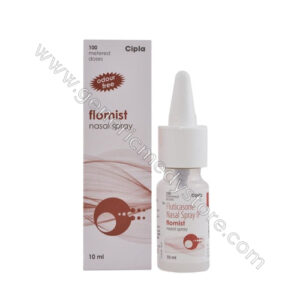
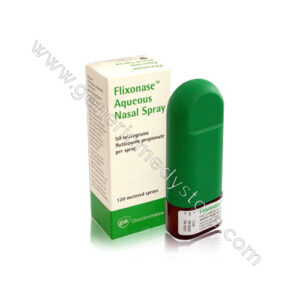
For adults and children 12 and older, the US label for fluticasone propionate nasal spray says two sprays in each nostril once a day for the first week, then one or two sprays in each nostril once a day as needed. Follow the leaflet or your doctor’s directions. Aim the spray toward the outer wall of the nostril rather than the center of your nose, since spraying the middle wall can damage it over time. Our guide to nasal sprays for allergies covers technique step by step. Options made in India include Flomist Nasal Spray (from $16) and Flixonase Nasal Spray (from $18), both containing fluticasone propionate.
Allergy eye drops
If your eyes are the worst part, antihistamine eye drops such as ketotifen or olopatadine can ease itchy, watery eyes. Lubricating drops (artificial tears) can also soothe irritated eyes. Be careful with “redness relief” drops that shrink blood vessels: their labels warn that overuse can make redness worse and say to stop and see a doctor if symptoms last more than 72 hours. Take out contact lenses before using drops unless the leaflet says otherwise.
Montelukast and its boxed warning
Montelukast is a prescription tablet that blocks leukotrienes, another group of chemicals involved in allergy and asthma. In 2020 the FDA added a boxed warning, its most prominent type of warning, about serious mental health side effects. These include agitation, aggression, depression, vivid dreams, sleep problems, sleepwalking and suicidal thoughts or actions. For hay fever, the FDA says montelukast should be reserved for people who do not get enough relief from, or cannot tolerate, other allergy medicines.
For adults and teens 15 and older, the usual dose for allergies is one 10 mg tablet once a day. If you or a family member notice changes in mood, behavior or sleep while taking it, stop the medicine and contact your doctor right away. Montair 10 mg (from $18) contains the same active ingredient as Singulair; it is made and licensed in India.
Other options
- Saline rinses: a salt-water spray or rinse helps wash mucus out of the nose. For rinse bottles, use distilled, sterile or boiled and cooled water, never plain tap water.
- Decongestants: nasal decongestant sprays such as oxymetazoline should not be used for more than 3 days, or congestion can bounce back worse. Decongestant tablets such as pseudoephedrine are not for everyone: ask a doctor first if you have heart disease, high blood pressure, thyroid disease, diabetes or an enlarged prostate, and never take them with a prescription MAOI.
- Allergy immunotherapy: allergy shots or tablets that dissolve under the tongue give you small, gradually increasing amounts of a specific pollen to slowly build up tolerance. Treatment usually starts a few months before the season. An allergist can tell you if you are a candidate.
How can I reduce my pollen exposure?
Medicine works better when less pollen reaches you in the first place. The CDC and other health agencies suggest these steps:
- Check the daily pollen forecast and limit time outdoors when counts are high.
- Keep windows closed at home and in the car during your season, and use air conditioning instead.
- Shower, wash your hair and change clothes after spending time outside.
- Use high-efficiency filters in your heating and cooling system, if it is designed for them.
- Wear wraparound sunglasses or a wide-brimmed hat outdoors.
- Dry laundry indoors rather than on an outdoor line, where it can collect pollen.
- Remember that pets can carry pollen indoors on their fur.
Can seasonal allergies trigger asthma?
Yes, for some people. If pollen is one of your asthma triggers, the CDC notes that breathing it in can set off an asthma attack, with coughing, wheezing or chest tightness. That is why your doctor will take asthma into account when choosing allergy treatment.
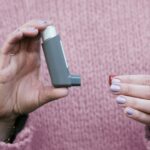
Warning signs that allergy season is affecting your chest include a cough at night, wheezing, chest tightness or needing your reliever inhaler more than usual. If that happens, talk to your doctor about your asthma action plan and whether your preventer treatment needs to change. Our article on types of asthma inhalers explains how relievers and preventers work, and you can see generic options in our asthma inhalers category.
When to see a doctor
Most hay fever can be managed at home with a pharmacist’s help. Get medical advice if:
- Symptoms are severe or keep you from sleeping or working, do not improve with treatment, or a treatment that used to work stops working.
- You have new wheezing, shortness of breath or chest tightness.
- You have severe facial pain or headache, a fever that lasts more than 3 to 4 days, or symptoms that last more than 10 days without getting better, which may point to a sinus infection.
- Your vision is affected, or you have eye pain that is severe or getting worse.
- You notice mood, behavior or sleep changes while taking montelukast.
- You get frequent nosebleeds while using a nasal spray.
Call 911 for swelling of the lips, tongue or throat, trouble breathing or swallowing, or an asthma attack that does not ease with your reliever.
Frequently asked questions
Do seasonal allergies run in families?
Often, yes. Hay fever and other allergies tend to run in families. Some people, especially children, may outgrow an allergy over time.
When should I start allergy medicine?
Steroid nasal sprays help most when started at the beginning of your pollen season or a little before, since they need several days or more of daily use to reach full effect. For mometasone, MedlinePlus suggests starting 2 to 4 weeks before the season.
Can I use a nasal spray and an antihistamine together?
Often, yes, when one medicine alone is not enough. Check with your pharmacist or doctor first so you do not double up on the same ingredient in two products.
Do seasonal allergies cause a fever?
No. Despite the name, hay fever does not cause a fever. A fever suggests an infection such as flu or a sinus infection.
This article gives general information only and is not medical advice. It does not replace advice from your doctor or pharmacist. Prescription medicines should be used under a doctor’s care.
Shop the products in this article

Browse all Allergy Medicine products →
Prescription medicines: check with your doctor or pharmacist that a treatment is right for you before ordering.