
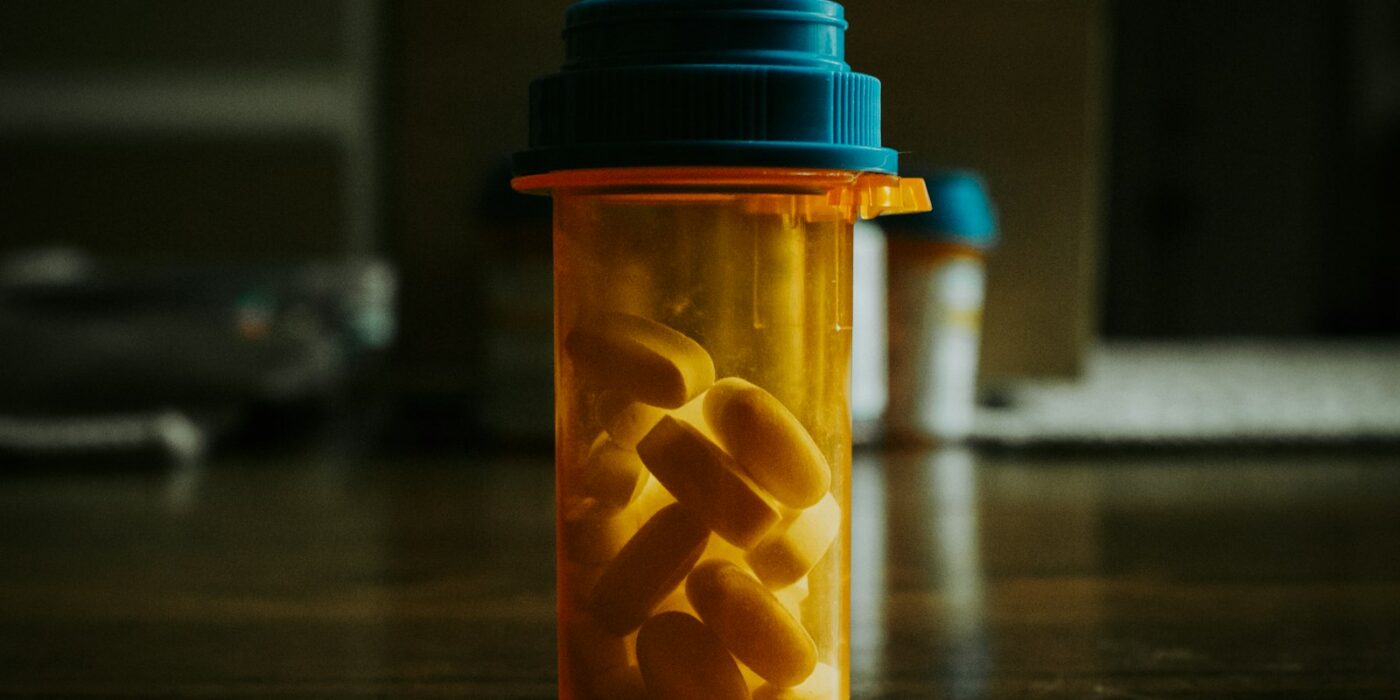
Amber pill bottle with a blue child-resistant cap, filled with white tablets, on a wooden table
CategoriesGuides

How to Store Medicines Safely: Heat, Humidity and Travel Tips

If you are wondering how to store medicines at home, the short answer is this: keep most of them in a cool, dry place at room temperature, in their original containers, and up high where children cannot see or reach them. Avoid the bathroom, the car and the spot next to the stove. A few products, such as some eye drops, need the refrigerator before opening, so the label always has the final word.

What does “store at room temperature” mean on a label?

Most labels give a range rather than a single number. The US label for Ventolin HFA, an albuterol (salbutamol) inhaler, is a typical example. It says to store the inhaler between 68°F and 77°F (20°C and 25°C), with short “excursions” allowed from 59°F to 86°F (15°C to 30°C). An excursion is a brief change, such as the drive home from the pharmacy, not a normal storage temperature.

Check the label for special rules, such as refrigeration or protection from light. Keep each medicine in its original container, which shows the name, strength and expiration date, and close the cap tightly after each use.

Why is the bathroom a bad place to keep medicines?

The bathroom cabinet is the classic spot, but steam from the shower and water from the sink make the room warm and damp. MedlinePlus warns that this heat and moisture can damage medicines, which may then weaken or go bad before the expiration date. The FDA also says a damp cabinet can make medicines less effective.

Better places include a dresser drawer, a closet shelf, a storage box with a lid, or a kitchen cabinet away from the stove, the sink and other hot appliances. Keep medicines out of direct sunlight, too. If young children live with you or visit often, choose a high cabinet you can lock or fit with a child latch.

How should you store inhalers in heat and cold?

Pressurized inhalers

Rescue inhalers such as the Asthalin inhaler (albuterol, made and licensed in India) and combination inhalers such as Foracort (budesonide and formoterol) use a metal canister under pressure. The Ventolin HFA label says not to use or store the inhaler near heat or an open flame, warns that temperatures above 120°F (49°C) may make the canister burst, and says never to throw it into a fire. It also says to store the inhaler with the mouthpiece down.

Cold matters too: the label says the inhaler should be at room temperature before use. In winter, carry your reliever in an inside pocket, not in a cold car.

Capsule and dry powder inhalers

Dry powder is sensitive to humidity. The US label for Spiriva HandiHaler (tiotropium) says to keep each capsule sealed in its blister until just before use, store the capsules in a dry place, never freeze them, and throw away any capsule left open to air. Capsules should not be stored inside the device. The same habits suit other capsule inhalers, such as Tiova Rotacaps (also tiotropium), but check the leaflet in your own pack. For more on each device, see our guide to types of asthma inhalers.

How long are eye drops good after opening?

Often for much less time than the date on the box. That date applies to a sealed bottle. Once a bottle is open, the tip can pick up germs, and many leaflets give a separate “discard after opening” period.

Some drops also have special temperature rules. The US label for Xalatan (latanoprost, used for glaucoma) says to keep unopened bottles in the refrigerator at 36°F to 46°F (2°C to 8°C), protected from light. Once opened, a bottle may be kept at room temperature, up to 77°F (25°C), for 6 weeks. Other drops have different rules, so check yours.

  • Write the date you opened the bottle on the label.
  • Do not let the dropper tip touch your eye or the skin around it. The Xalatan label warns that contaminated drops can cause serious eye damage and vision loss.
  • Recap the bottle right after each use, and never share eye drops.

If you use prescription drops from our eye drops and eye care range, read the storage section of the leaflet in the pack.

How do you keep medicines away from children?

The CDC’s Up and Away campaign asks families to keep every medicine where children cannot reach or see it:

  • Put medicine away right after each dose, even if the next dose is due in a few hours. Do not leave it on a counter or bedside table.
  • Always relock a child-resistant cap after each use.
  • Keep pill organizers and plastic bags up high as well, since they often lack child-safety features.
  • Treat vitamins and gummy supplements the same way.
  • Ask visitors to keep purses, bags and coats that hold medicine out of reach.
  • Save Poison Help, 1-800-222-1222, in your phone. It is answered 24 hours a day.

How do you protect medicines when traveling or in hot weather?

On the road and in the air

MedlinePlus advises keeping medicines in your carry-on bag when you fly, in their original bottles, with a copy of your prescriptions. For medicines that must stay cool, the CDC suggests a cooler with a gel pack and warns against putting them directly on ice. In a hotel, use a high shelf or the room safe if children are with you.

Why hot cars are a problem

A parked car in the sun can get far hotter than the air outside. MedlinePlus says not to keep medicines in the glove compartment, and the CDC lists hot cars and direct sunlight among the places to avoid. Take your medicines with you whenever you leave the car.

Medicines shipped in summer

Some labels set limits for shipping. The Xalatan label, for example, allows the bottle to be kept at up to 104°F (40°C) for no more than 8 days while it is shipped to the patient. Still, a package should not sit in a hot mailbox or on a sunny porch for hours. Our product pages give US delivery times of about 6 to 15 days, and customs can add delays, so track your package and bring it inside as soon as it arrives.

Check each item before use. MedlinePlus lists warning signs such as a change in color, texture or smell, or pills that stick together or are cracked or chipped. If something looks wrong, do not use it; ask a pharmacist and contact the seller.

When should you throw medicines away, and how?

Do not use a medicine after its expiration date. The FDA explains that expired medicines can be less effective or even risky because of chemical changes or lost strength, and a weakened antibiotic may fail to treat an infection. Throw out any medicine that looks changed, even if it is still in date. Per the Ventolin HFA label, an inhaler should be thrown away when its counter reads 000.

The FDA suggests these disposal options, in this order:

  1. Take-back. Use a drop-off site at a pharmacy or law enforcement office, or a prepaid mail-back envelope.
  2. Flush list. Flush a medicine only if it is on the FDA flush list.
  3. Household trash. Mix pills or liquid with used coffee grounds or cat litter, without crushing them. Seal the mixture in a bag and put it in the trash.
  4. Privacy. Scratch out your personal details on the empty bottle or box before you throw it away.

Never puncture an inhaler canister or throw it into a fire. The FDA suggests asking your local trash and recycling facility how to dispose of inhalers.

When to see a doctor

  • If a child may have swallowed someone else’s medicine, call Poison Help at 1-800-222-1222 right away, even if you are not sure. Call 911 if the child is hard to wake, has trouble breathing or has a seizure.
  • If your rescue inhaler does not seem to work after being left in heat or cold and your breathing is getting worse, seek urgent care, then replace the inhaler.
  • If you get eye pain, redness, discharge or blurred vision after using eye drops, see a doctor promptly.
  • If an important medicine looks damaged and you have no other supply, call your pharmacist or doctor before you skip any doses.

Frequently asked questions

Should I keep my medicines in the refrigerator?

Only if the label says so. Most tablets, capsules and inhalers are meant for room temperature, and some, such as tiotropium capsules, must not be frozen.

Can I still use medicine that was left in a hot car?

Look at it first. If it has changed in color, texture or smell, or the pills are stuck together, cracked or soft, do not use it. If it looks normal but sat in high heat for a long time, ask your pharmacist whether it is still safe to use.

Is it OK to keep pills in a weekly pill organizer?

Yes, but organizers often lack child-safety features, so keep them up high. Hold on to the original bottles so you still have the label and expiration date.

Do medicines really stop working after the expiration date?

The FDA advises against using expired medicines because they can lose strength or change chemically. Some, such as antibiotics, may then fail to work. Replace them and dispose of the old supply safely.

This article gives general information and does not replace advice from your doctor or pharmacist. Prescription medicines should be used under a doctor’s care, and the storage instructions on your own medicine’s label or leaflet always come first.
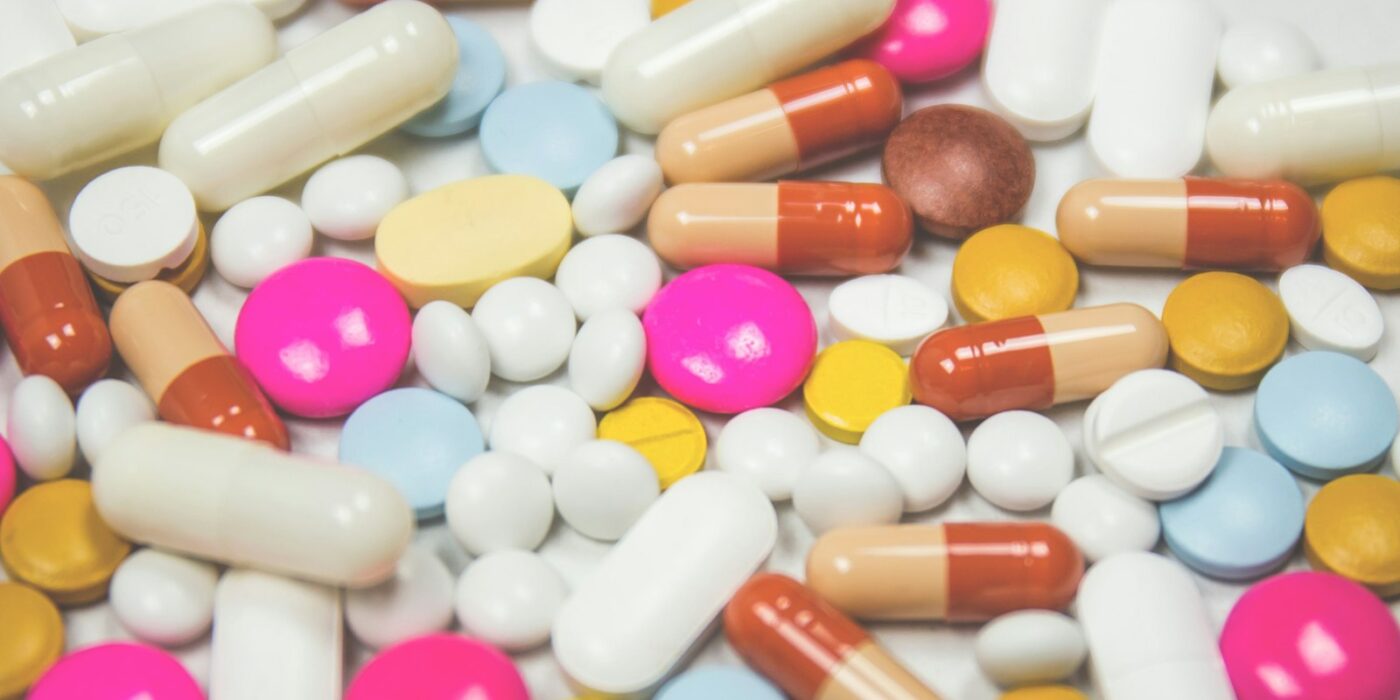
Tablets and capsules in many colors and shapes, including pink, blue, yellow and white pills, on a white surface
CategoriesGuides

Generic vs Brand-Name Medicines: Are They Really the Same?

When people compare generic vs brand name drugs, the short answer is that they are the same where it counts. A generic medicine contains the same active ingredient as the brand, in the same strength and form, and US generics must be shown to deliver that ingredient into the body at about the same rate and amount. What can differ is the name, the price, the color or shape, and the inactive ingredients that hold the tablet together.

Here is what those differences mean for you, including what to know about generics made in India.

What is the difference between a generic and a brand-name drug?

Every medicine has two kinds of names. The generic name is the name of the active ingredient, the chemical that does the work. The brand name is the trade name a company picks for its own product. As the NHS explains, sildenafil is the generic name, while Viagra is the brand name Pfizer uses for it.

When a company discovers a new medicine, a patent gives it the sole right to sell it for a number of years. Once that protection ends, other companies can make their own versions. Some are sold under the plain generic name, such as sildenafil tablets. Others get a new brand name from their maker. These are often called branded generics, and they are the usual way generics are sold in India.

Is the active ingredient the same?

Yes, and this is the core rule. In the US, the FDA requires a generic to match the brand in active ingredient, strength, dosage form (tablet, capsule, inhaler and so on) and route, meaning how you take it. The generic’s label carries essentially the same uses, dosing and warnings as the brand’s.

So generic tadalafil 20 mg contains the same medicine as Cialis 20 mg, works the same way in the body and should be taken the same way, as prescribed.

Are the inactive ingredients different?

They can be. Inactive ingredients, also called excipients, are the fillers, binders, coatings, colors and flavors that turn a tiny amount of medicine into a tablet you can hold, swallow and store. Each maker may use its own recipe.

For most people this makes no difference. The FDA notes that in a minority of patients, inactive ingredients may affect how well a medicine is tolerated or absorbed, and it will not approve a generic whose inactive ingredients are unsafe. If you have an allergy or intolerance, for example to lactose, gluten or a particular dye, read the ingredient list in the leaflet or ask a pharmacist before you switch.

What does bioequivalence mean?

Bioequivalence is the test that shows a generic behaves like the brand inside your body. In a typical study, volunteers take the generic and the brand at different times, and blood samples show how much medicine reaches the bloodstream and how fast. The FDA says a generic must deliver the same amount of active ingredient, at the same rate and to the same extent, as the brand.

You may read online that generics can be 20 percent stronger or weaker than the brand. The real-world numbers are much closer. When the FDA looked back at its bioequivalence studies from 1996 to 2007, the average difference between generic and brand was about 4 percent, and nearly 98 percent of studies showed differences under 10 percent, according to a review in the Canadian Medical Association Journal.

A few medicines need extra care because a small change in blood level can matter. These narrow therapeutic index drugs include some seizure medicines such as phenytoin and carbamazepine, the blood thinner warfarin, the thyroid medicine levothyroxine and the transplant medicine tacrolimus. They need careful dosing and monitoring, so tell your doctor about any switch. Your doctor may want to check your blood levels or symptoms afterward.

Why do generics cost so much less?

Bringing a new drug to market takes years of clinical trials. A generic maker does not have to repeat those trials. It relies on the safety and effectiveness already shown for the brand and proves that its own product is bioequivalent. That saves a great deal of money.

Competition does the rest. According to the FDA’s generic drug facts, a single generic competitor can bring prices down by about 30 percent, and five competing generics are linked to price drops of nearly 85 percent. A lower price does not mean a lower standard: in the US, generics are made under the same strict quality standards as brand-name medicines.

Why does my generic look different from the brand?

Generics often come in a different color, shape, size or imprint from the brand, because each maker uses its own design, coatings and dyes. The FDA allows minor differences in appearance, such as color, and says they do not affect how the medicine works.

A new look can still be confusing, especially if you take several medicines. If a refill looks different, check the name and strength on the label before you take it, and ask your pharmacist if anything does not match. Never assume two different-looking pills are the same medicine without checking.

Are Indian generics the same as US brand-name medicines?

Indian generics contain the same active ingredient as the matching US brand. They are made and licensed in India, and most are sold under the maker’s own brand name rather than the plain generic name. A few examples:

  • Suhagra, made by Cipla, contains sildenafil, the same active ingredient as Viagra. Centurion Laboratories makes another sildenafil brand, Cenforce; our Cenforce vs Viagra comparison looks at how the two line up.
  • Tadacip, also made by Cipla, contains tadalafil, the same active ingredient as Cialis.
  • Asthalin Inhaler, from Cipla, contains albuterol (salbutamol), the same active ingredient as Ventolin HFA.

Two things often surprise people. First, Indian packs usually use international names, so you may see salbutamol instead of albuterol, or paracetamol instead of acetaminophen. Second, strengths can be written differently. US albuterol inhalers state the dose that leaves the mouthpiece, while Indian inhalers usually state the dose measured by the valve, so the numbers do not line up exactly. Our Asthalin vs Ventolin guide explains this in detail.

As with any change of brand, tell your doctor which product you are using, and try to stay on the same one once it works well for you. That matters most for the narrow therapeutic index medicines mentioned above.

What should I check on the pack?

  • Active ingredient and strength. Match both to your prescription. On branded generics, the generic name is usually printed under the brand name. Letters such as IP after the name mean the product is made to the Indian Pharmacopoeia standard, much as USP refers to the US Pharmacopeia.
  • Dosage form. Tablet, capsule, inhaler or cream, and whether it is a regular or an extended-release form.
  • Manufacturer. The company name and address should be printed clearly.
  • Batch (lot) number, manufacturing date and expiry date. Do not use a medicine after its expiry date.
  • Seals and condition. Blister packs and bottle seals should be intact, and tablets should not be cracked, crumbled or discolored.
  • The leaflet. It lists inactive ingredients, storage instructions and side effects. Keep it with the medicine.

When to see a doctor

Talk to your doctor before you switch any prescription medicine. Get medical help promptly if, after a switch:

  • You notice signs of an allergic reaction, such as hives, a rash, or swelling of the face, lips or tongue. Call 911 if you have trouble breathing or severe swelling.
  • The medicine seems to stop working, for example you need your asthma reliever more often, or your seizure control, blood pressure or blood test results change.
  • You get new or stronger side effects.
  • You are not sure the medicine in your hand matches your prescription.

Frequently asked questions

Are generic drugs as strong as brand-name drugs?

Yes. A generic has the same active ingredient in the same strength. A 100 mg sildenafil tablet contains 100 mg of sildenafil whether it is the brand or a generic.

Do generics cause more side effects?

They have the same possible side effects as the brand, because the active ingredient is the same. Rarely, a person reacts to an inactive ingredient such as a dye. If you suspect this, a pharmacist can help you compare ingredient lists.

Can I switch from a brand to a generic on my own?

Check with your doctor or pharmacist first, especially for seizure medicines, blood thinners, thyroid medicine or transplant drugs. Prescription medicines should always be used under a doctor’s care.

Why is the name on my Indian generic different from my prescription?

Indian companies usually sell generics under their own brand names, such as Suhagra or Asthalin. Look for the active ingredient printed on the pack. That is the name to match against your prescription.

What is an authorized generic?

An authorized generic is the brand-name drug itself, sold without the brand name on the label. It may still come in a different color or carry a different marking.

This article gives general information and does not replace advice from your doctor or pharmacist. Prescription medicines should be used only under a doctor’s care. Do not switch, stop or change the dose of a medicine without medical advice.

Add to cart