Ordered before 17:30, shipped today


Prescription antibiotics from Indian manufacturers, including azithromycin (Azee, Azicip), doxycycline, clindamycin (Dalacin C), co-trimoxazole and rifaximin (Rifagut, Rifaxiheal). Antibiotics treat bacterial infections only, not colds or flu, and should be taken exactly as prescribed for the full course.
Read moreShowing 1–12 of 19 results
Active Filters:
Clear Filters
Azee 100 mg DT
Starting at just $23.00Add to Cart This product has multiple variants. The options may be chosen on the product pageAzee 1000 mg
Starting at just $25.00Add to Cart This product has multiple variants. The options may be chosen on the product pageAzee 250 mg
Starting at just $34.00Add to Cart This product has multiple variants. The options may be chosen on the product pageAzee 500 mg
Starting at just $67.00Add to Cart This product has multiple variants. The options may be chosen on the product pageAzeetop 1000 mg
Starting at just $25.50Add to Cart This product has multiple variants. The options may be chosen on the product pageAzicip 250 mg
Starting at just $30.00Add to Cart This product has multiple variants. The options may be chosen on the product pageAzicip 500 mg
Starting at just $57.00Add to Cart This product has multiple variants. The options may be chosen on the product pageAzifast Gel
Starting at just $9.05Add to Cart This product has multiple variants. The options may be chosen on the product pageAzithromycin 100 mg DT
Starting at just $35.00Add to Cart This product has multiple variants. The options may be chosen on the product pageAzithromycin 100mg DT
Starting at just $35.00Add to Cart This product has multiple variants. The options may be chosen on the product pageAzithromycin 500 mg
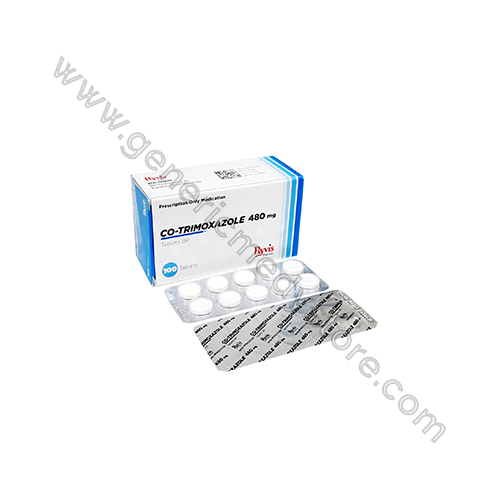
Starting at just $45.00Add to Cart This product has multiple variants. The options may be chosen on the product pageCo-Trimoxazole 480 Mg
Starting at just $24.00Add to Cart This product has multiple variants. The options may be chosen on the product page


Antibiotics: Getting the Most From Them
Antibiotics are medicines that kill bacteria or stop them from multiplying. They have transformed the treatment of infections such as pneumonia, sepsis and many sexually transmitted infections. They do, however, have limits: they have no effect on viruses, and every course gives bacteria a chance to adapt. Using them only when they are needed, and in the right way, keeps them working for everyone.
Responsible Antibiotic Use
- Antibiotics don't treat viral illnesses. Colds, flu, most sore throats, most coughs and bronchitis, and many ear and sinus infections are caused by viruses or clear up on their own within one to three weeks.
- Take them exactly as prescribed, at evenly spaced times, and complete the course unless your doctor tells you to stop sooner.
- Never share antibiotics or save leftovers for another time. A medicine chosen for one person's infection may be wrong for someone else's. Return unused tablets to a pharmacy for safe disposal.
- Don't pressure your doctor for antibiotics. Rest, fluids and simple pain relief are often the best treatment for self-limiting infections.
Why antibiotic resistance matters
Each time antibiotics are taken, the most vulnerable bacteria die first, and any that happen to survive can multiply and pass on their resistance. Over time, common infections such as urinary and chest infections can become harder to treat, needing stronger medicines, hospital care or, in the worst cases, leaving few options at all. Resistant bacteria can also spread between people, so careful use protects your family and community as well as you.
Doxycycline at a Glance
Doxycycline 100 mg belongs to the tetracycline class. It stops bacteria from building the proteins they need to grow, which lets the immune system clear the infection. It covers a wide range of bacteria, including some that live inside cells and are missed by penicillin-type antibiotics.
What doxycycline is used for
- Respiratory infections: some chest infections and pneumonias, and bacterial sinusitis
- Sexually transmitted infections: chlamydia and non-specific urethritis, and as part of treatment for some other STIs
- Acne and rosacea: moderate to severe acne, usually alongside a topical treatment (see our acne range and our tretinoin guide)
- Lyme disease: early infection after a tick bite, often shown by a spreading red rash
- Malaria prevention: for travelers to certain regions, taken daily from 1–2 days before travel until 4 weeks after leaving the malaria area
- Less common infections such as rickettsial fevers (for example typhus) and leptospirosis
The dose and length of treatment depend on the infection. A common adult regimen is 200 mg on the first day followed by 100 mg daily, but chlamydia, for example, is usually treated with 100 mg twice daily for 7 days. Always follow the directions on your prescription.
How to Take Doxycycline
- Swallow each dose whole with a full glass of water while sitting or standing, and stay upright for at least 30 minutes. A tablet or capsule that sticks in the food pipe (esophagus) can cause painful irritation or ulcers.
- Don't take it just before lying down or going to bed.
- Taking it with a meal can reduce nausea.
- Keep antacids, iron, zinc, calcium and magnesium supplements, and dairy products at least 2–3 hours away from each dose, as they bind to doxycycline and reduce absorption.
- Protect your skin from strong sunlight and avoid sunbeds. Doxycycline makes sunburn more likely, so use a high-factor sunscreen and cover up.
If you miss a dose, take it when you remember unless the next one is nearly due. Never take a double dose.
Side Effects
Common side effects include nausea, stomach upset, diarrhea, headache and increased sun sensitivity. Oral or vaginal thrush can occur after a course. Stop taking doxycycline and get medical help promptly if you have:
- Severe, watery or bloody diarrhea, which can happen during or weeks after treatment
- Pain on swallowing or pain behind the breastbone
- A severe headache with blurred or double vision
- A widespread rash, blistering or peeling skin
- Swelling of the face, lips or throat, or difficulty breathing
- Yellowing of the skin or eyes
Who Shouldn't Take Doxycycline
- Pregnant women: it can affect the baby's developing bones and teeth.
- Children under 8 (under 12 in UK guidance): it can permanently discolour developing teeth, so it is used only in special circumstances.
- Anyone allergic to doxycycline or other tetracyclines.
Tell your doctor if you are breastfeeding, or have liver disease, lupus or myasthenia gravis. Also mention if you take warfarin (bleeding risk may rise), isotretinoin or other oral retinoids (a rare risk of raised pressure around the brain), or epilepsy medicines such as carbamazepine or phenytoin, which can make doxycycline less effective.
Other Antibiotics
Different antibiotics suit different infections. Other antibiotics in our store include azithromycin (Azee 500 mg), clindamycin (Dalacin C 300 mg) and co-trimoxazole (Co-Trimoxazole 960 mg), each prescribed for its own range of conditions. To understand which infections need antibiotics and when to see a doctor, read our bacterial infections guide.
Frequently Asked Questions
Can I drink alcohol while taking doxycycline?
Moderate drinking is unlikely to cause problems for most people, but heavy or regular drinking can lower doxycycline levels in the body and make it less effective.
Does doxycycline stop the contraceptive pill working?
UK sexual health guidance states that antibiotics like doxycycline do not reduce the effect of hormonal contraception, although some product leaflets still advise caution. Vomiting or severe diarrhea can stop the pill being absorbed, so follow your pill's missed-dose advice if that happens.
Should I stop once I feel better?
No, not unless your doctor advises it. Feeling better does not always mean the infection has fully cleared.
This page is intended for general information and cannot replace a consultation with a doctor or pharmacist. Doxycycline and other antibiotics are prescription medicines. Use them only for an infection that has been properly diagnosed, and always follow the instructions you are given.
Antibiotics guides
- Rifaximin for IBS-D: How Xifaxan Works, Dosage and Generic OptionsHow rifaximin (Xifaxan) treats IBS with diarrhea: the 550 mg 14-day course, retreatment, other uses, side effects and lower-cost generic options.