

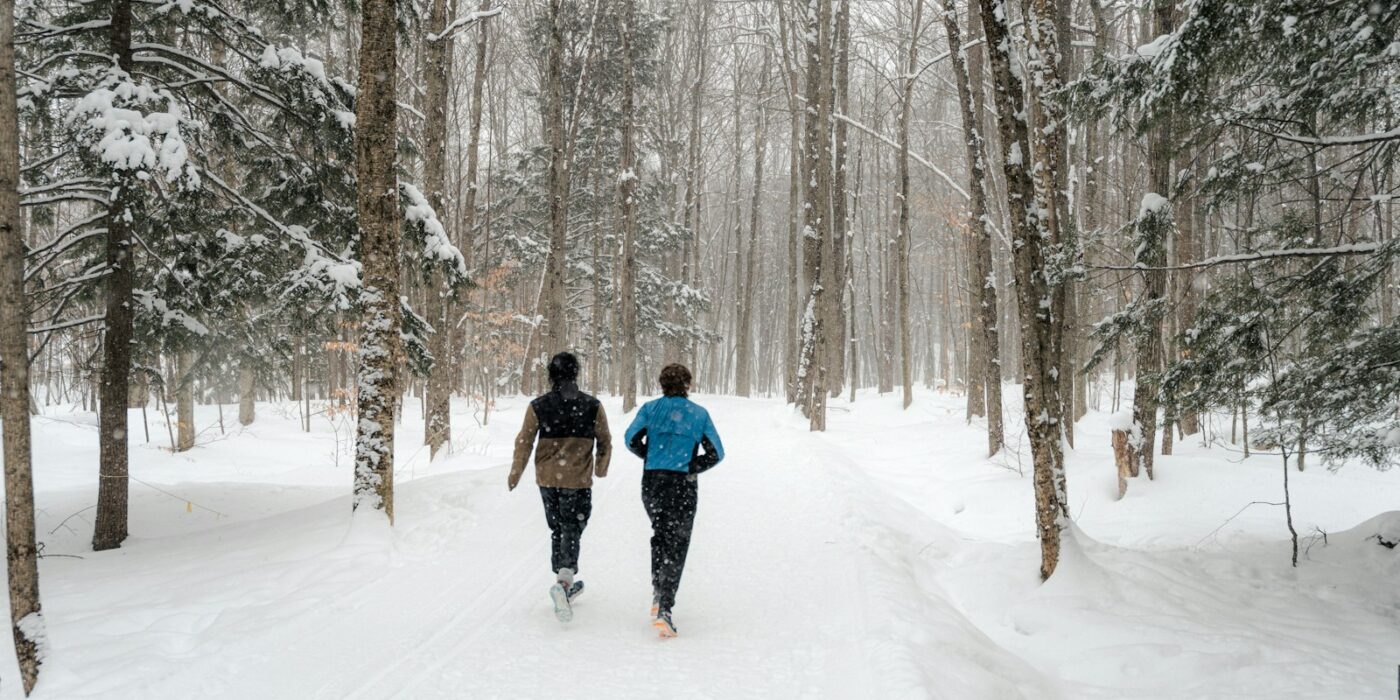
Exercise-induced asthma, now usually called exercise-induced bronchoconstriction (EIB), is when your airways tighten during or soon after physical activity, causing coughing, wheezing, chest tightness or shortness of breath. Most people can stay active by warming up longer, protecting their airways in cold weather and, if a doctor prescribes it, using a quick-relief inhaler 15 to 30 minutes before exercise. If symptoms keep breaking through, that is often a sign that asthma itself needs better day-to-day control.
What is exercise-induced asthma?
Exercise does not cause asthma, but it can make the airways narrow for a short time. Most people with asthma notice this, and some people get it without having asthma at all, as MedlinePlus explains.
When you work hard, you breathe faster and often through your mouth. The air skips your nose, which normally warms and moistens it, so the airway lining loses water and heat. Researchers think this drying makes airway cells release chemicals such as histamine and leukotrienes, which cause the muscles around the airways to squeeze, according to a 2018 review of EIB. Cold, dry air speeds up the drying, which is one reason winter workouts often feel harder.
What are the symptoms of exercise-induced asthma?
Common symptoms include:
- Coughing
- Wheezing (a whistling sound when you breathe)
- A tight feeling in the chest
- Being much more short of breath than the effort should cause
Timing is a useful clue. Symptoms most often start a few minutes after you stop exercising. In the 2018 review, airway narrowing usually began 2 to 5 minutes after exercise, was worst at about 10 minutes and eased within about an hour. Some people also feel symptoms while they are still moving.
How is exercise-induced asthma diagnosed?
Your doctor will ask about your symptoms and usually do a breathing test called spirometry. Symptoms alone are not a reliable guide, because how you feel during a workout does not predict well who actually has EIB.
The most direct check is an exercise challenge. You do a breathing test, exercise hard on a treadmill or bike for several minutes, then repeat the test at set times afterward, often 5, 10, 15 and 30 minutes. A drop of 10% or more in the air you can blow out in one second (called FEV1) points to EIB. Some clinics use other challenge tests, such as breathing dry air quickly or inhaling a substance called mannitol.
Testing also rules out look-alikes. A throat problem in which the vocal cords close during hard breathing, or a heart or other lung condition, can also cause breathlessness with exercise and needs different care.
How does a warm-up help prevent symptoms?
MedlinePlus suggests starting slowly, building speed gradually, warming up longer when you can and finishing with several minutes of easy activity. Some athletes use 10 to 15 minutes of moderately hard exercise before an event, after which the airways may react less for a while. Researchers call this the refractory period.
The type of activity matters too. Swimming, with its warm, humid air, and stop-start sports such as baseball or football are often easier. Long, steady, high-effort activities such as distance running, basketball and soccer are more likely to trigger symptoms. Still, pick activities you enjoy.
When should you use a reliever inhaler before exercise?
The quick-relief medicine most often used before exercise is albuterol (salbutamol), a short-acting bronchodilator that relaxes the muscles around the airways. The US Ventolin HFA label lists prevention of exercise-induced bronchospasm for adults and children aged 4 and older, at 2 puffs taken 15 to 30 minutes before exercise. In the label’s asthma studies, one dose lasted about 4 hours.
- Prime a new inhaler before first use, and again if it has not been used for more than 2 weeks, as the leaflet describes.
- Take your puffs 15 to 30 minutes before you start, then keep the inhaler with you while you exercise.
- If symptoms start anyway, stop, use your reliever as your doctor directed and rest until your breathing settles.
- Do not take more puffs, or use it more often, than your doctor or the label allows.
Asthalin Inhaler by Cipla contains salbutamol, the same active ingredient as Ventolin HFA, and is made and licensed in India. It is listed from $30 for a pack of three inhalers (prices can change). Our guide to the types of asthma inhalers explains how relievers differ from preventers and how to use each one.

What other medicines help prevent exercise symptoms?
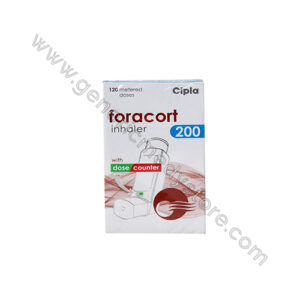
Daily preventer inhalers. If you have asthma, a daily inhaled corticosteroid (steroid) such as budesonide calms the inflammation that makes the airways twitchy. It is not a quick fix: the 2018 review notes that the benefit for EIB may take 2 to 4 weeks, and a single dose just before exercise is not enough. Combination inhalers such as budesonide/formoterol pair a steroid with a long-acting bronchodilator. Foracort Inhaler contains the same active ingredients as Symbicort and is made and licensed in India. Long-acting bronchodilators should not be used on their own for asthma, only together with an inhaled steroid.
Montelukast. This tablet blocks leukotrienes. The US Singulair (montelukast) label lists prevention of EIB from age 6: a single dose at least 2 hours before exercise (10 mg from age 15, a 5 mg chewable tablet from 6 to 14), with no second dose within 24 hours. People who already take it every day should not take an extra dose. It does not treat an attack that has already started. The label carries a boxed warning about serious mood and behavior changes, including suicidal thoughts or actions, so stop it and call your doctor right away if you notice changes in mood, behavior or sleep. Montair 10 mg by Cipla contains montelukast, the same active ingredient as Singulair, and is made and licensed in India.
You can compare relievers, preventers and tablets in our asthma inhalers and medications section.
How can you exercise safely in cold weather?
Cold, dry winter air dries the airways faster, and EIB is especially common in winter sports. These steps can help:
- Breathe through your nose when you can, since the nose warms and moistens the air.
- Wear a scarf, neck gaiter or cold-weather mask over your mouth and nose.
- Warm up longer than usual, and consider starting your warm-up indoors.
- On very cold days, or when air pollution is high, move your workout indoors.
- Keep your reliever in an inside pocket. The Ventolin HFA label says the inhaler should be at room temperature before use, with storage at 68°F to 77°F (20°C to 25°C).
- Never leave your inhaler in a hot car in summer, because temperatures above 120°F (49°C) can make the canister burst.
What does it mean if exercise symptoms keep coming back?
If you have asthma and exercise often sets it off, your asthma may not be under good control, as the 2018 review notes. The first step is to review your treatment, not just add more puffs before exercise. Signs that your asthma needs a closer look include:
- Needing your reliever for symptoms more than twice a week (not counting puffs before exercise)
- Symptoms during exercise even after using your reliever beforehand
- Your reliever not working as well, or not lasting as long, as it used to
- Waking at night with coughing, wheezing or chest tightness
The Ventolin HFA label notes that needing more doses than usual can be a marker that asthma is getting worse. The 2018 review adds that daily use of a short-acting reliever can lead to tolerance, so it may work less well over time. Your doctor may check your inhaler technique, start or adjust a daily preventer and give you a written asthma action plan.
When to see a doctor
See your doctor if you get coughing, wheezing or chest tightness with exercise and have never been checked for asthma, or if your plan is not keeping symptoms under control. Get prompt medical help for chest pain or pressure, dizziness or fainting during exercise, because these can come from the heart rather than the lungs.
Call 911 or go to the emergency room if you have:
- Severe shortness of breath or trouble speaking in full sentences
- A bluish color to the lips or face
- Symptoms that do not improve, or quickly come back, after using your reliever
- Drowsiness or confusion during an attack
Frequently asked questions
Can you have exercise-induced asthma without having asthma?
Yes. Most people with asthma get symptoms with exercise at times, but not everyone with EIB has asthma. Testing helps your doctor decide which treatment fits.
How long does exercise-induced asthma last?
Without treatment, symptoms usually peak about 10 minutes after you stop exercising and ease within about an hour. A quick-relief inhaler often helps within minutes. If symptoms do not settle, follow your asthma action plan.
Should you stop exercising if you have exercise-induced asthma?
No. Having symptoms with exercise does not mean you cannot or should not be active. The aim of treatment is to control symptoms so you can keep moving.
Can I use my reliever inhaler before every workout?
The albuterol label allows 2 puffs 15 to 30 minutes before exercise. If you need it before most workouts, or also for symptoms at other times, talk to your doctor. A daily preventer may give better control.
This article gives general information and does not replace advice from your doctor or pharmacist. Prescription medicines, including asthma inhalers and montelukast, should be used under a doctor’s care, at the dose on your prescription and label.
Shop the products in this article


Browse all Albuterol Inhalers (Generic Ventolin & ProAir) products →
Prescription medicines: check with your doctor or pharmacist that a treatment is right for you before ordering.