Ordered before 17:30, shipped today


Explore prescription skin treatments from established manufacturers, including A Ret from Menarini, Tazret from Glenmark, Clocip from Cipla and Aziderm from Micro Labs. The range is organised by concern, with creams, gels and tablets for acne, melasma and dark spots, psoriasis, fungal infections, scabies and scars, so you can go straight to the section that matches your diagnosis.
Read moreShowing 1–12 of 111 results
Active Filters:
Clear Filters
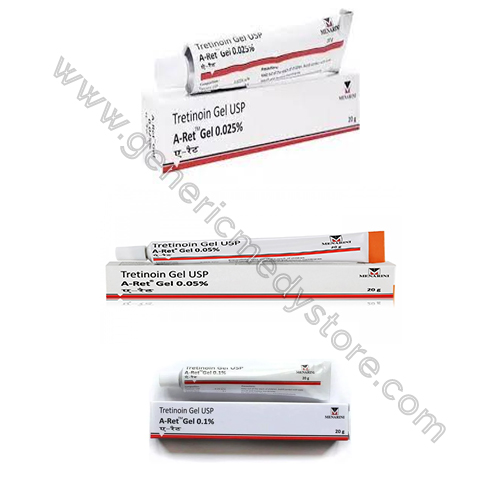
A Ret Gel
Starting at just $21.00Add to Cart This product has multiple variants. The options may be chosen on the product pageA Ret Gel 0.025%
Starting at just $21.00Add to Cart This product has multiple variants. The options may be chosen on the product pageA Ret Gel 0.05%
Starting at just $25.00Add to Cart This product has multiple variants. The options may be chosen on the product pageA Ret Gel 0.1%
Starting at just $28.00Add to Cart This product has multiple variants. The options may be chosen on the product pageA Ret HC Creams
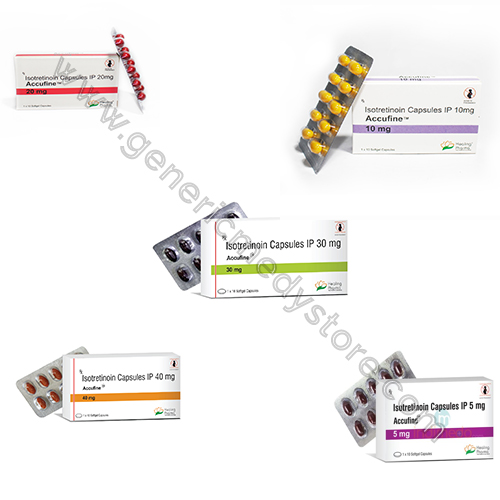
Starting at just $10.00Add to Cart This product has multiple variants. The options may be chosen on the product pageAccufine
Starting at just $35.00Add to Cart This product has multiple variants. The options may be chosen on the product pageAccufine 10 Mg
Starting at just $45.00Add to Cart This product has multiple variants. The options may be chosen on the product pageAccufine 20 Mg
Starting at just $70.00Add to Cart This product has multiple variants. The options may be chosen on the product pageAccufine 30 Mg
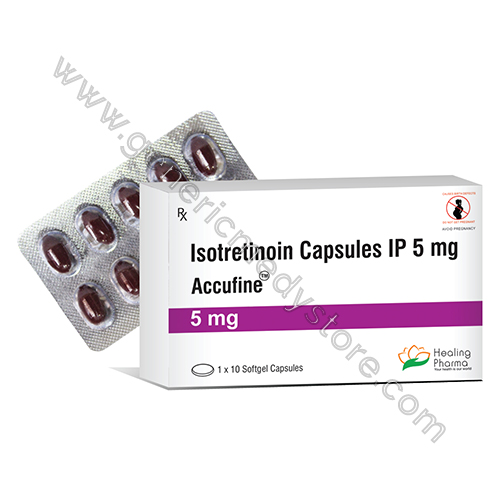
Starting at just $80.00Add to Cart This product has multiple variants. The options may be chosen on the product pageAccufine 40 Mg
Starting at just $98.00Add to Cart This product has multiple variants. The options may be chosen on the product pageAccufine 5 Mg
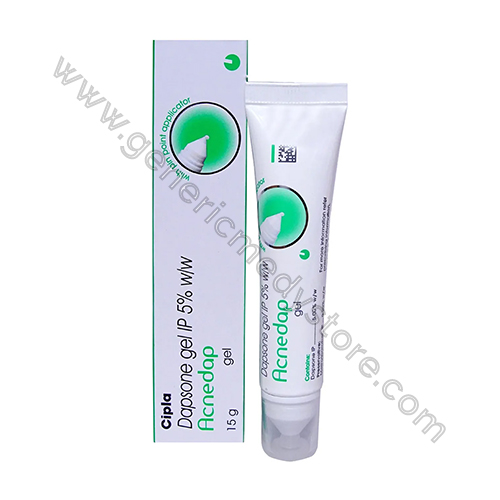
Starting at just $35.00Add to Cart This product has multiple variants. The options may be chosen on the product pageAcnedap Gel
Starting at just $14.00Add to Cart This product has multiple variants. The options may be chosen on the product page




Prescription Skin Care: Finding the Right Treatment for Your Concern
Many skin problems look alike at first. A red, flaky patch could be psoriasis, eczema or a fungal infection, each needing a different medicine. Choosing the wrong cream can backfire: a steroid put on a fungal rash may calm the redness for a few days, then allow the infection to spread. The most useful first step is a clear diagnosis from a doctor, pharmacist or dermatologist. Once you know what you are treating, this overview explains the main medicine groups in our skin care range and points you to the right section.
Skin Concerns and Treatments at a Glance
| Concern | Main treatment types | Examples |
|---|---|---|
| Acne | Benzoyl peroxide, topical retinoids, antibiotic gels paired with benzoyl peroxide, azelaic acid; oral isotretinoin for severe acne only under a dermatologist | Persol AC 2.5% Gel, Adaferin Gel, Clindoxyl Gel |
| Melasma | Hydroquinone and triple-combination creams (hydroquinone, tretinoin and a corticosteroid) | Melacare Cream, Eukroma Cream |
| Dark spots and acne marks | Hydroquinone, glycolic acid, azelaic acid, retinoids | Glyco 6 Cream, Melalite Forte Cream |
| Uneven skin tone | Botanical brightening creams; short prescription courses for defined patches | Niltan Cream |
| Psoriasis | Topical tazarotene; oral apremilast or acitretin prescribed by a specialist | Tazret Gel, Aprezo 30 mg |
| Fungal skin infections | Azole antifungal creams such as clotrimazole | Clocip Cream |
| Scabies | Oral ivermectin (permethrin cream is usually the first choice) | Iversun 12 mg |
| Scars | Scar gels and silicone products | Hexilak Gel |
| Corns, warts and thickened skin | Salicylic acid creams that soften hard skin | Salicylix SF Cream |
This section also lists treatment for Raynaud's disease, a circulation problem in which the fingers and toes turn white or blue in the cold.
Acne
Acne care is stepped according to severity. Blackheads and whiteheads often respond to a topical retinoid or benzoyl peroxide alone. Red, inflamed spots usually need a combination, and any antibiotic gel should be paired with benzoyl peroxide so bacteria don't become resistant. When acne is widespread or leaving marks, a doctor may add a short course of an oral antibiotic. Severe nodular or scarring acne may need oral isotretinoin, which is only started and monitored by a dermatologist because of serious risks, including birth defects. Our acne section explains each step, and our article on tretinoin for acne covers the most widely used retinoid.
Pigmentation: Melasma, Dark Spots and Uneven Tone
Pigment problems occur when pigment cells (melanocytes) produce too much melanin in one area. The main treatments work in different ways:
- Hydroquinone blocks tyrosinase, the enzyme that makes melanin. It is a mainstay for dark patches but is used in time-limited courses.
- Triple-combination creams pair hydroquinone with tretinoin and a corticosteroid. They are mainly used for moderate to severe melasma under medical guidance.
- Azelaic acid is gentler, calms overactive pigment cells and also treats acne, so it suits people who have both.
- Glycolic acid exfoliates the surface layer, helping pigmented cells shed faster and smoothing texture.
These treatments fade patches gradually, usually over 8–12 weeks or more. They are not designed to change your natural skin color. For detail, see our melasma and hyperpigmentation sections, or read our in-depth melasma treatment guide.
Psoriasis
Psoriasis is a long-term immune condition that causes thick, scaly plaques, often on the elbows, knees, scalp and lower back. Limited plaques are usually treated topically. Tazret Gel contains tazarotene, a retinoid that slows the overgrowth of skin cells; it is often used alongside a steroid cream to reduce irritation. For moderate to severe psoriasis, a specialist may prescribe tablets such as apremilast (Aprezo 30 mg), which is started at a low dose and built up over several days to limit stomach upset, or acitretin (Acrotac). Acitretin causes severe birth defects, so pregnancy must be avoided during treatment and for three years after stopping. See our psoriasis range.
Fungal Infections and Scabies
Ringworm, athlete's foot, jock itch and yeast rashes in skin folds are commonly treated with an azole cream such as clotrimazole (Clocip Cream). It is applied two or three times a day and continued for about two weeks after the rash clears. Creams that add a steroid, such as Clocip B, are meant only for short courses on very inflamed rashes. Long-term use of steroid creams on fungal infections is a common reason these rashes spread and become hard to shift. See our skin infections section.
Scabies is caused by tiny mites that burrow into the skin, leading to intense itching that is worse at night. Everyone in the household and close contacts should be treated at the same time, and bedding, towels and clothes washed at 122°F (50°C) or above. Permethrin cream is usually tried first; oral ivermectin, dosed by body weight, is used in certain cases on a doctor's advice. Itching can continue for 2–4 weeks after successful treatment. Visit our scabies section.
Scars, Corns and Warts
Newer raised scars may soften with regular use of a scar gel such as Hexilak Gel over several months; our scars section explains which scars respond and when to see a specialist. For corns, common warts and thickened skin, salicylic acid creams like Salicylix SF soften the hard layer so it can be removed gently. People with diabetes or poor circulation should ask a doctor before treating their feet.
Sunscreen: The Common Thread
Whatever you are treating, daily sun protection matters. Ultraviolet light darkens pigment patches, acne marks and new scars, and retinoids and glycolic acid make skin burn more easily. Apply a broad-spectrum sunscreen of SPF 30 or higher every morning, including on cloudy days, and reapply every two hours outdoors. For melasma, a tinted sunscreen containing iron oxides also filters visible light, another pigment trigger.
Using Prescription Skin Treatments Safely
- Introduce one new product at a time, testing it on a small area for a few days first.
- Avoid stacking several strong products (for example, a retinoid, benzoyl peroxide and an acid) on the same night unless a doctor has planned it.
- Use steroid-containing creams only for as long as prescribed, and not on the face long term.
- If you are pregnant, planning a pregnancy or breastfeeding, check before using retinoids, hydroquinone, isotretinoin or acitretin. Several of these can harm an unborn baby.
- Stop and get medical advice if you develop blistering, swelling or severe burning.
- Have any new or changing mole or dark spot checked by a doctor before treating it as pigmentation.
Frequently Asked Questions
Are these skin treatments prescription medicines?
Many are, including retinoids, hydroquinone, antibiotic gels, triple-combination creams, isotretinoin and apremilast. Speak to a doctor or pharmacist to confirm a treatment is suitable before using it.
How long does it take to see results?
It depends on the problem. Antifungal creams often ease symptoms within a week or two, while acne and pigmentation treatments typically need 8–12 weeks of steady use.
Can I use acne and pigmentation treatments together?
Sometimes. Azelaic acid and retinoids help both, so one product may do two jobs. Combining several strong products raises the risk of irritation, which can itself cause dark marks, so ask a doctor or pharmacist to help plan a routine.
This page offers general information about skin treatments and is not a substitute for a consultation with a doctor, dermatologist or pharmacist. Many of the products listed are prescription medicines. Always get a proper diagnosis and confirm a treatment is right for you, especially if you are pregnant, breastfeeding or taking other medicines.
Skin Care Medicines guides
- Melasma Treatment: How Hydroquinone and Triple Combination Creams WorkWhat causes melasma and how to treat it: sun protection, hydroquinone, triple combination creams and maintenance tips to stop dark patches returning.
- Tretinoin for Acne: Strengths, How to Use It and What to ExpectA complete guide to tretinoin for acne: which strength to start with, how to apply it step by step, the purging timeline…